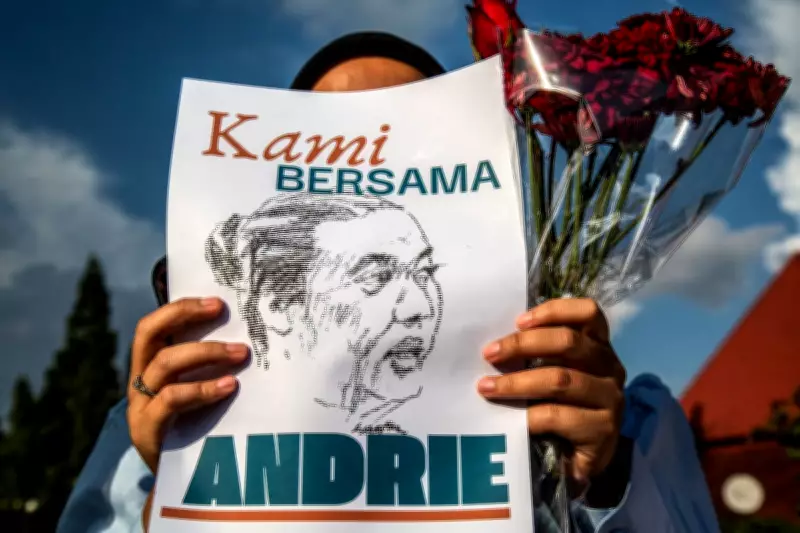
Indonesian human rights activist Andrie Yunus has sustained severe burns after being targeted in a vicious acid attack by unidentified assailants in Yogyakarta city. The assault, which occurred on 12 March, has ignited widespread condemnation from both domestic authorities and international organisations.
Details of the Attack and Investigation
Mr Yunus, who serves as a deputy coordinator with the prominent human rights organisation KontraS, suffered burns to approximately 24 per cent of his face and arms during the incident. Police in Yogyakarta have launched a comprehensive investigation into the attack, with initial findings from CCTV footage revealing four suspects fleeing the scene on two scooters.
Forensic teams are currently conducting detailed tests on evidence collected at the location to gather further clues about the perpetrators and their motives. The swift police response underscores the seriousness with which authorities are treating this violent crime against a well-known activist.

International and Domestic Condemnation
The acid attack has provoked strong reactions from both Indonesian officials and global human rights bodies. Indonesia's Minister for Law and Human Rights, Yasonna Laoly, characterised the assault as nothing less than 'an attack on democracy itself,' highlighting the broader implications for civil liberties in the country.
United Nations Human Rights Chief Volker Türk described the incident as 'horrific,' adding his voice to the growing chorus of international concern. These statements reflect deep unease about the safety of activists and the state of democratic values in Indonesia.
Civil Society Response and Allegations
Civil society groups, including Amnesty International, have been vocal in their condemnation, alleging that the attack was a deliberate attempt to kill Mr Yunus and intimidate other human rights defenders. They point to a troubling pattern of increasing threats against activists in Indonesia, raising alarms about the erosion of democratic principles.
These organisations argue that such violence aims to silence critical voices and stifle dissent, creating a climate of fear among those working to uphold human rights. The attack on Mr Yunus is seen as a particularly stark example of this dangerous trend.
Broader Context and Implications
The assault occurs against a backdrop of mounting concerns over the protection of democratic values in Indonesia. Human rights advocates warn that attacks like this not only harm individuals but also undermine the foundations of a free society.
As investigations continue, the international community watches closely, urging Indonesian authorities to ensure justice is served and to strengthen protections for activists. The outcome of this case could have significant ramifications for the future of human rights work in the region.