Iran Escalates Civilian Crackdown During Military Conflict with US and Israel
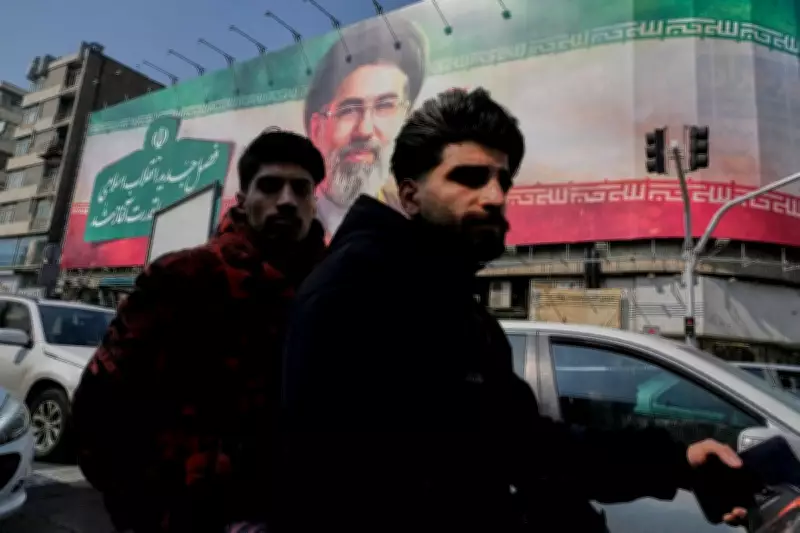
Iranian security forces have dramatically intensified arrests of civilians across the country amid escalating military tensions with the United States and Israel. According to reports received by Independent Persian, a new wave of detentions has swept through multiple Iranian cities since the commencement of US and Israeli attacks on the Islamic Republic on February 28.
Security Forces Target Information Flow
Ahmadreza Radan, Iran's police chief, announced last Sunday that authorities had arrested 500 individuals on charges of "sending information to the enemy and anti-Iranian media." Radan described the detainees as "spies" and claimed half of the cases involved serious allegations. Without presenting concrete evidence, he asserted those arrested had "provided intelligence on targeting sites, maintained contact with subversive groups, and attempted to disrupt public order."
The Ministry of Intelligence separately announced the arrest and prosecution of 39 more people for "recording images of the aftermath of airstrikes and sending them to Persian-language media outlets abroad." State media reported hundreds of additional arrests across various cities, while the Islamic Revolutionary Guard Corps in Lorestan province detained individuals accused of "disturbing public opinion and sending images to hostile media."

Continuation of Protest Crackdown
Political and human rights activists within Iran state these arrests represent a continuation of the severe crackdown that began following widespread protests in January, which many consider to have been a national uprising. That earlier suppression reportedly resulted in tens of thousands of deaths, marking one of the harshest responses in the history of the Islamic Republic.
Human rights sources indicate the onset of Israeli and US military attacks has triggered intensified repression, with individuals arrested specifically for sharing images or sending information to media outlets. The Islamic Republic appears to be exploiting wartime conditions and implementing widespread internet shutdowns to suppress independent information flows.
Specific Cases Highlight Brutal Tactics
Amirali Moradi Zaviyeh-Kord, a 43-year-old man, was arrested at his workplace on January 10. After nineteen days of interrogation in Evin Prison, he was transferred to Greater Tehran Prison. Judge Iman Afshari reportedly rejected his bail request because of a tattoo on his hand bearing the name "Nika Shakarami"—a 16-year-old girl killed during 2022 protests whose name became a resistance symbol. Moradi is suffering from severe skin allergies in prison and has been denied adequate medical care.
In March, Ameneh Ghasemzadeh and her 15-year-old son, Ariyo Moshrefi, were arrested in Nazarabad, Alborz province. Relatives state their detention resulted from "expressing happiness" over the death of Supreme Leader Ali Khamenei. No information has been released about their whereabouts or condition, raising serious safety concerns.
Omolbanin Dehghan, Roozbeh Alipour, and Maryam Alipour were arrested while returning from a prison visit to family member Babak Alipour, a political prisoner sentenced to death. More than a month after their detention, authorities have released no information about their location or charges.
Students and Teachers Targeted
Reports indicate a significant proportion of those arrested are students and educators. Dasta Farrokhi, a drama student at Soureh University of Art, was arrested on March 9 at her family home in Arak. No details have been disclosed about her whereabouts or charges.
Ali Ebrahimi, an archaeology student at the University of Tehran, was arrested in late January and reportedly wounded by gunfire during his apprehension. Ali Khanpour, a biomedical engineering student at Amirkabir University, was detained after a verbal altercation with checkpoint forces in Karaj and has remained imprisoned for over two months.

Meanwhile, Vahid Ghasemi, a teacher in Fariman, was arrested on February 21 at his school and transferred to Vakilabad Prison in Mashhad. The following day, his mother, Mahnaz Haddad Kakhaki, was also arrested when she visited the courthouse to enquire about her son.
Teenagers and Athletes Among Detained
Hundreds of teenagers are included in the detention wave. Seventeen-year-old Mohammadreza Deyanti was arrested at his family home in Isfahan. Fouad Nikpey, also 17, was detained in Marivan. Shayan Hadian, a teenage swimming and boxing athlete, was apprehended in Isfahan. Another 17-year-old, Mohammad Saeed Ghasemi, was arrested after security forces raided his home.
Torture and Coerced Confessions Reported
Disturbing reports have emerged regarding torture and coercion to obtain forced confessions. Shahram Sadeghi, arrested during protests in Karaj, is reportedly under pressure to deliver a televised confession. According to sources close to his family, Sajed Khabazi from Lahijan was "tortured" for two weeks to force him to accept charges of "propaganda against the state" and "assembly and collusion against national security."
In Ilam, Ashkan Gholami was reportedly transferred to prison after a month of torture and is said to have lost hearing in one ear.
Judicial System Demands Severe Punishments
On Monday, Iran's judiciary chief, Gholamhossein Mohseni-Ejei, reiterated the need for "severe measures" against detainees. Reports indicate many detainees face charges that could lead to extremely harsh and irreversible sentences, including execution.
Mohammad (Babak) Naghi Zadeh, a young detainee in Shahriar, has been sentenced to death on charges of "insulting the Prophet," while Mehdi Ghasemi faces charges of "enmity against God." The fate of thousands detained during January's nationwide protests remains unclear as this new wave of arrests expands across Iran.