Iran's Regime Employs Sexual Violence as Systematic Tool of Repression
The Iranian regime has systematically employed sexual violence as a brutal instrument to suppress dissent, according to extensive documentation from human rights organizations. The Islamic Revolutionary Guard Corps (IRGC), notorious for its violent crackdowns, has escalated its tactics to include sadistic sexual punishments that have shocked international observers.
Medical Staff Targeted for Treating Wounded Protesters
In a particularly disturbing development, Iranian security forces have specifically targeted medical personnel who provided care to injured protesters. Last month, Amnesty International revealed that two nurses from Tehran's Rajaei Cardiovascular, Medical and Research Centre were gang-raped and subjected to relentless torture by security agents because they treated wounded demonstrators during anti-regime protests.
The assaults were so violent that both nurses required surgical removal of their uteruses. One 33-year-old victim remains so traumatized that she begged surgeons to let her die and is currently restrained in her hospital bed to prevent self-harm while under IRGC supervision.

Children as Young as 12 Subjected to Sexual Violence
The pattern of sexual intimidation extends to children, with Amnesty International documenting cases of girls as young as 12 being raped in what appears to be a deliberate strategy to inflict lasting physical and psychological damage on protesters and their families. United Nations human rights investigators have confirmed that Iranian authorities use sexual violence alongside torture, arbitrary killings, arrests, and forced confessions as systematic tools of repression.
In one particularly shocking case documented by human rights organizations, IRGC agents stormed the home of 19-year-old protester Amirhossein Ghaderzadeh. They stripped him and his two sisters, one aged just 14, allegedly to inspect them for metal pellets as "proof" of protest participation before subjecting them to sexual violence. Authorities have since refused to disclose Ghaderzadeh's fate or whereabouts after sentencing him to death.
Systematic Pattern During Nationwide Protests
The use of sexual violence as a weapon intensified during the 2022 anti-government protests sparked by the killing of 22-year-old Mahsa Amini, who died after being arrested by Iran's morality police for allegedly violating hijab laws in Tehran. Amnesty International collected testimonies from at least 45 survivors, including 26 men, 12 women, and seven children, who reported being subjected to rape, gang rape, and other forms of sexual violence during those protests.
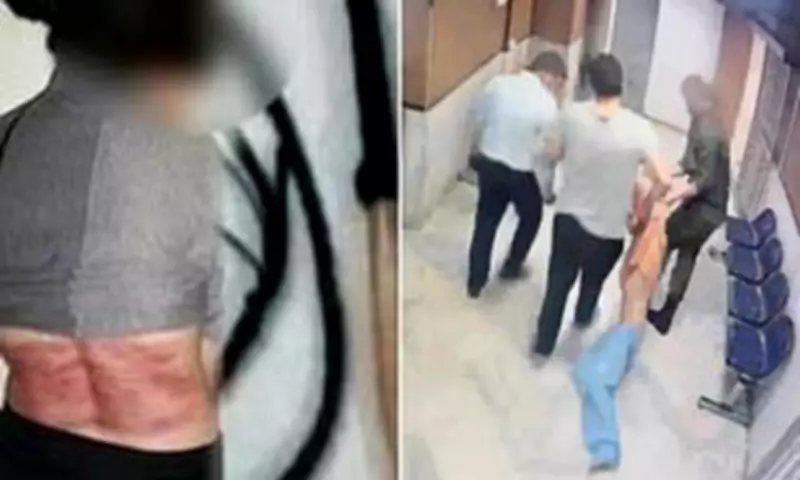
The organization reported that "Iran's intelligence and security forces have been committing horrific acts of torture, including beatings, flogging, electric shocks, rape and other sexual violence against child protestors as young as 12 to quell their involvement in nationwide protests."
Graphic Testimonies of Systematic Abuse
Victims have provided harrowing accounts of their experiences. Farzad, one survivor, described being gang-raped in a police Special Forces vehicle after being subjected to electric shocks and beatings that broke his nose and teeth. "They pulled down my trousers and raped me. I was really being ripped apart. I was throwing up a lot and bleeding from my rectum," he recounted.
Another victim, Maryam, who was gang-raped in a Revolutionary Guard detention center, reported that her rapists told her: "You are all addicted to penis, so we showed you a good time. Isn't this what you seek from liberation?"
Hospital Raids and Medical Suppression
The January 2024 protests, which erupted over economic grievances including the collapse of Iran's currency value, saw particularly brutal crackdowns. IRGC forces entered hospitals treating wounded protesters, firing at patients and arresting medical staff. According to Iran International, when nurses at Tehran's Rajaei hospital helped injured demonstrators on January 8, IRGC agents entered the facility and opened fire.

Two nurses who attempted to treat the wounded were killed, while others were beaten and arrested. Staff were warned not to touch the bodies of the dead, leaving corpses to decompose. The bodies of the two murdered nurses were later discovered among rows of body bags at the Kahrizak Coroner's Office, where thousands of protest victims were processed.
Coercion and Forced Confessions
The sexual violence appears systematically linked to coercion and forced confessions. One nurse was reportedly forced to sign documents stating she had married one of her IRGC rapists, with her family required to pay a large fee for her release. She also had to sign a statement blaming her rape and abuse on "rioters" rather than security forces.
Amnesty International has documented how torture, including sexual violence, is routinely used to extract "confessions" before any legal proceedings, with Iranian state television frequently airing footage of detainees making televised admissions that human rights groups say are coerced under extreme duress.
Broader Torture Methods Documented
Beyond sexual violence, Iranian security forces employ numerous other torture techniques against detainees. These include:
- Suspending detainees by their hands and feet from a pole in a position interrogators call "chicken kebab"
- Waterboarding and mock executions by hanging or firing squad
- Sleep deprivation and exposure to extreme temperatures
- Sensory overload using intense light or noise
- Forcible removal of fingernails or toenails
- Electric shocks administered to genital areas
A mother described how state agents raped her son with a hosepipe during detention, while other children reported being held underwater or subjected to systematic beatings.
International Condemnation and Ongoing Crisis
Diana Eltahawy, Amnesty International's Middle East and North Africa Deputy Director, stated in 2023 that Iran's "violence against children exposes deliberate strategy to crush the vibrant spirit of the country's youth and stop them from demanding freedom and human rights."
The organization continues to document new cases, including the January 2024 protests where two girls aged 15 and 17 were reportedly raped by soldiers while in detention. The systematic nature of these abuses suggests they represent not isolated incidents but rather calculated policy by Iranian authorities to terrorize the population into submission through sexualized violence and extreme brutality.