Iranian Diaspora's Sombre Nowruz Amid War's Communication Blackout
Iranians living abroad are approaching the Persian New Year, known as Nowruz, with profound grief and fear as war and a government crackdown have severed contact with loved ones inside Iran. The normally festive celebration, rooted in millennia-old Zoroastrian tradition, is being marked with heavy hearts or not at all by many in the diaspora.
Families Torn Apart by Conflict and Crackdown
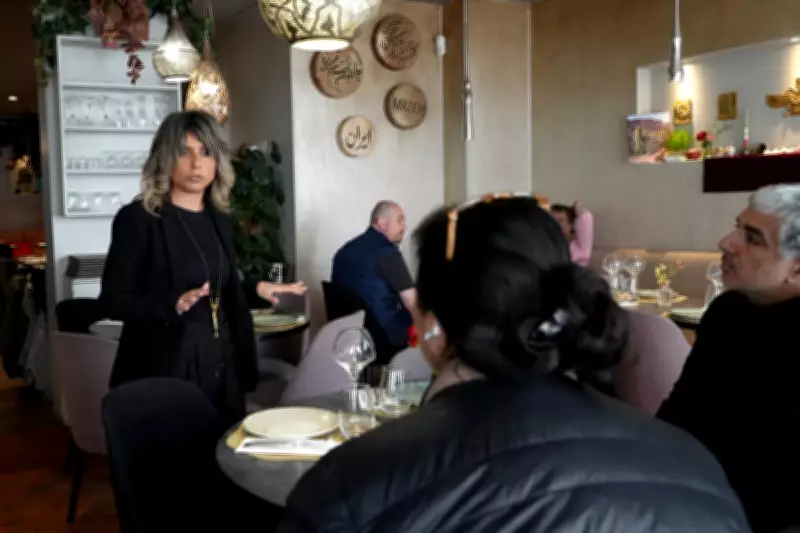
When Iran erupted in nationwide protests at the end of 2025, Shayan Ghadimi's mother returned to the country from Paris to witness the uprising firsthand. Her absence, compounded by the struggle to stay in touch through the bloody crackdown that followed and the ongoing Iran war, now overshadows the family. Ghadimi, a 41-year-old restaurant owner in Paris, described how her 70-year-old mother watched early protests on television and insisted on being there. "We could see the market closed, the people in the street. She said, 'I want to be there,'" Ghadimi recalled as she prepared lunches in her spice-scented establishment.
Now, her mother is isolated at home with no means of communication, merely watching the sky. "I cannot imagine the state she is in," Ghadimi lamented. Since her mother's return in January, they have only managed to speak twice. "Quite honestly, I don’t try anymore. Because it stresses me out, if I try calling and can't get hold of her," she said, noting her sister calls incessantly without success. Her mother had a return ticket and promised to be back for Nowruz, but in their last conversation a week ago, she declared she would stay until the end, having lived through the 1979 Islamic Revolution and wanting to witness Iran's next chapter.

Communities in Mourning and Scaled-Back Celebrations
An Iranian cultural centre in Paris, which organised music events for Nowruz last year, has announced it is in mourning this season. In the United States, some Iranian American communities have cancelled or significantly scaled back festivities. Nowruz, meaning "new day" in Farsi and coinciding with the spring equinox, is celebrated from Afghanistan to Turkey by Iranians of diverse faiths, despite occasional efforts by hard-liners to discourage it.
Shakiba Edighoffer, a makeup artist grocery shopping for Nowruz, described being on a "kind of emotional roller coaster" as the war rages. Israel and the United States are attacking Iran's leaders and military, while the Islamic Republic fires missiles and drones at Israel and Gulf Arab states. "You hear news about this or that leader of the Islamic Republic being eliminated … about executions or bombings," she said.
Communication Struggles and Psychological Pressure
With communications largely severed, attempting to ascertain the well-being of family and friends under bombardments has become a stressful ordeal. Edighoffer shared that a friend managed a brief connection on Instagram recently, but it was the only contact in about 20 days since the war started. Celebrating Nowruz with family and friends "helps us cope, at least a little, with the psychological pressure," she asserted. "All these oppressors want is for us to be sad, to forget our millennia-old Persian and Iranian traditions. We must not give them that victory."
At Ghadimi's restaurant, diners seeking flame-grilled kebabs and spiced rice express mixed emotions. Some hope the war will herald a new dawn, while others are overwhelmed by the deaths and destruction from Israeli and U.S. strikes. "I have people in tears. I have people who cry for joy. They say, 'Did you see? They are coming. We are going to be saved.' Others say, 'Our country is being destroyed,'" Ghadimi recounted.