Israel Escalates Military Strikes in Beirut and Southern Lebanon
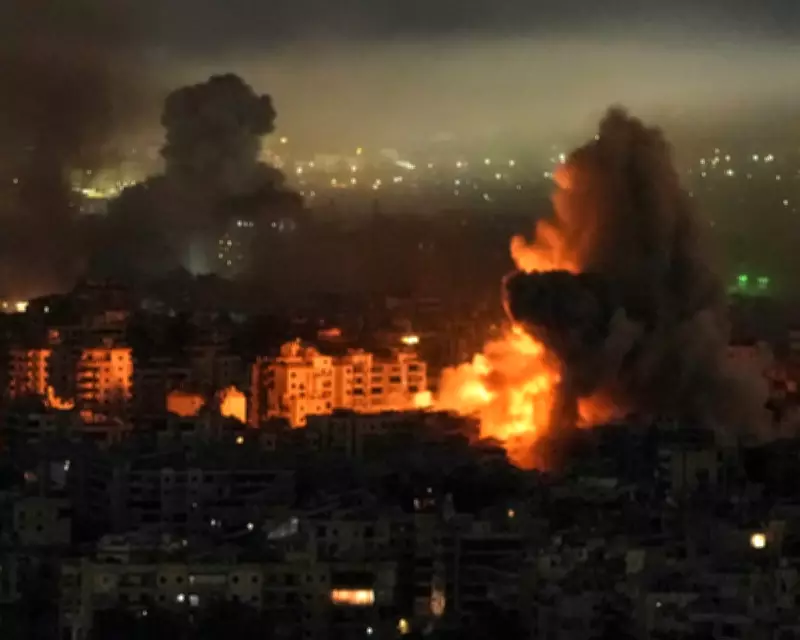
Israeli forces have significantly intensified their military operations, conducting heavy bombardments in the capital city of Beirut and across southern Lebanon. This escalation targets Hezbollah positions, with reports indicating widespread airstrikes and artillery fire in these regions. The attacks come amid heightened tensions between Israel and the Lebanese militant group, sparking concerns about a potential expansion of the conflict into a broader regional war.
Targeted Strikes on Hezbollah Strongholds
The bombardments have focused on key areas where Hezbollah is known to operate, including infrastructure and military sites in southern Lebanon and parts of Beirut. Israeli officials have stated that these actions are defensive measures aimed at countering threats from Hezbollah, which has been involved in cross-border skirmishes. However, the scale of the strikes suggests a more aggressive posture, with significant damage reported in residential and commercial zones, leading to civilian casualties and displacement.
Regional and International Reactions
The escalation has drawn swift reactions from regional and international actors. Neighboring countries have expressed alarm over the potential for the conflict to spill over borders, while global powers are calling for restraint and diplomatic solutions. The United Nations has urged both sides to de-escalate, warning of humanitarian crises if the violence continues. Analysts note that this situation could destabilize the already volatile Middle East, impacting security and economic stability across the region.

Humanitarian Impact and Civilian Toll
The bombardments have resulted in a severe humanitarian impact, with reports of numerous civilian injuries and fatalities. Infrastructure, including homes, schools, and hospitals, has been damaged, exacerbating the plight of local populations. Aid organizations are mobilizing to provide emergency assistance, but access is limited due to ongoing hostilities. The situation underscores the urgent need for ceasefire negotiations and protection of non-combatants in conflict zones.
Historical Context and Future Implications
This latest escalation is rooted in longstanding hostilities between Israel and Hezbollah, with periodic flare-ups over the years. The current bombardments represent one of the most intense phases in recent memory, raising questions about future military strategies and peace efforts. Experts warn that without immediate de-escalation, the conflict could lead to prolonged warfare, affecting not only Lebanon and Israel but also regional alliances and international relations.