The Origins of St. Patrick's Day: A Sacred Beginning
St. Patrick's Day, celebrated annually on March 17, traces its roots back to the 17th century as a religious and cultural festival honouring St. Patrick, the bishop credited with bringing Christianity to Ireland. According to lore, St. Patrick died on this date in A.D. 461, and on his deathbed, he allegedly requested a "wee drop of whiskey" for those mourning his passing, a detail that has intriguingly shaped modern festivities.
Historical accounts of St. Patrick's life, primarily from his spiritual memoir "Confessio," describe his enslavement in Ireland, escape to Britain, and a divine calling to return and minister to the Irish people. His missionary efforts faced resistance from pagan Druids and high kings, but he successfully integrated Irish culture into Christianity, introducing symbols like the Celtic Cross and using bonfires for feasts.
Myths and Legends: The Saint's Enduring Legacy
In Ireland, St. Patrick is revered as a miracle worker, with children regaling tales of his magical feats, such as driving snakes from the island and using the shamrock to explain the Holy Trinity. The holiday retains a significant religious component, starting with mass, followed by feasting, and ending with prayer, while wearing a spray of shamrocks symbolises solidarity and gratitude.

However, scholars note that many stories about St. Patrick, including his 40-day fast on Croagh Patrick, remain speculative, blending fact with legend. Despite this, his impact on Irish identity is profound, with pilgrims still tracing his footsteps across the country for blessings.
Global Expansion: Irish Diaspora and Commercialisation
From 1820 to 1860, nearly 2 million people left Ireland, many fleeing the potato famine, with further migration in the 20th century due to poverty and unemployment. As Irish communities settled abroad, particularly in the United States, they adapted St. Patrick's Day to celebrate their heritage in new ways.
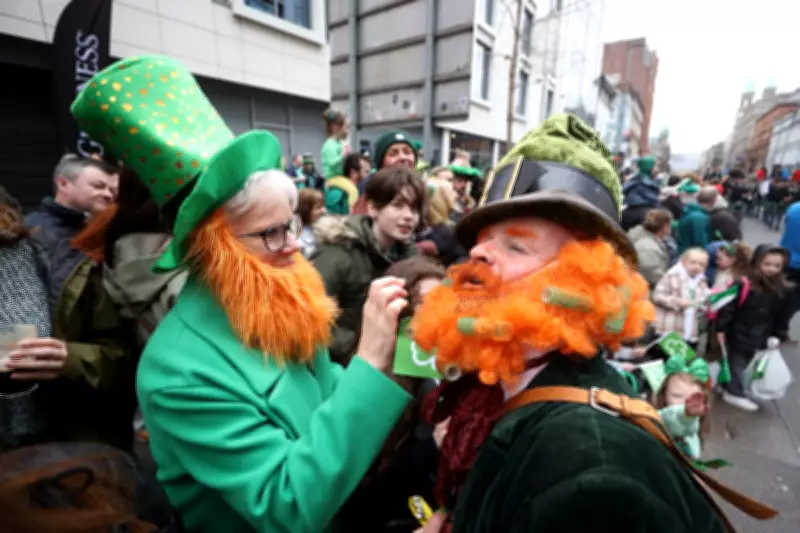
Irish-Americans transformed March 17 into a commercial enterprise, introducing parades in cities like New York and Boston, the tradition of wearing green, and even dyeing beer green. This shift has led to a global phenomenon where the holiday is often marked more by revelry than reflection, with Americans spending billions annually and consuming millions of pints of Guinness.
Cultural Contrasts: Ireland vs. the World
In Ireland, St. Patrick's Day maintains its sacred and cultural essence, while elsewhere, it has become a widespread excuse for partying. The Irish government has even capitalised on this, promoting tourism and pub culture to boost the economy during the holiday. Events like "Halfway to St. Patrick's Day" on September 17 in some U.S. regions highlight the holiday's commercial reach.
Children of Irish immigrants may know St. Patrick as Ireland's patron saint but often lack a deep connection to the myths and religious significance cherished in Ireland. This disparity raises questions about how the holiday's meaning evolves across generations and borders.
Reflections on a Whiskey-Fuelled Tradition
The anecdote of St. Patrick's whiskey request has led many to ponder whether the holiday would have remained more sacred if he had asked for silent prayer instead. Today, St. Patrick's Day is a blend of holy observance for natives and a festive holiday for tourists, with pubs worldwide profiting from the celebrations.
As the holiday continues to evolve, it serves as a testament to the resilience of Irish culture and the ways in which traditions adapt through migration and globalisation. Whether through fasting or toasting, St. Patrick's Day endures as a symbol of Irish identity and community.