The Illusion of Neutrality in Modern Warfare
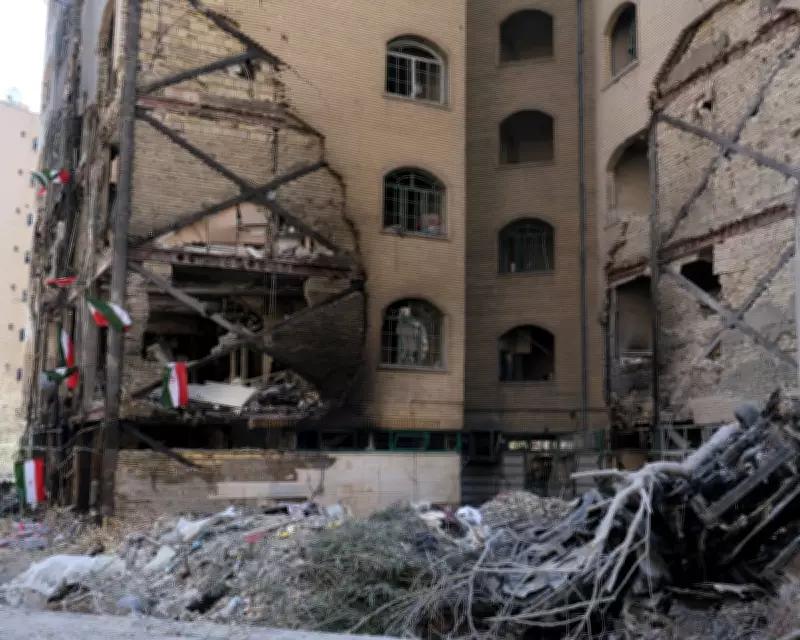
In the Shahid Borujerdi residential complex, south-east of Tehran, a building stands as a silent witness to escalating conflicts. Shadi Khan Saif writes of the US and Israel’s war against Iran, noting that missile exchanges, airstrikes, and proxy attacks have transformed entire regions into battlegrounds. This raises a poignant question: when your home country is ravaged by war, is it possible to stay neutral? For civilians, refusing to take sides can be perilous, and the so-called choice for survival is often an illusion.
A Personal Journey from Afghanistan to Global Reflections
Living in London, my elder brother frequently travels to our ancestral home in Afghanistan, maintaining a connection that I, based in Melbourne, envy. His recent trip was disrupted by flight issues linked to Middle East tensions, stranding him in Istanbul and causing him to miss family events in Kabul. This incident prompted reflections on our ancestral home in Paktika province, now largely in ruins due to decades of conflict.
Time and war have stripped the walls, but memories of life within them remain vivid. What endures is not just the destruction but the legacy of the bala khana, an upper guesthouse central to Afghan hospitality and mediation. This space was not merely architectural; it was a moral arena where disputes over land, debts, or family matters were resolved through Qur’anic reflection and poetry, fostering reconciliation long before modern courts.

The Erosion of Mediation Spaces in Conflict Zones
As a child, I participated in these gatherings, pouring tea and listening to elders mediate conflicts among traders. For generations, such traditions prevented disputes from escalating. However, wars rarely respect spaces built for mediation. During the Cold War, Afghanistan became a brutal battleground with the Soviet invasion in 1979, uprooting millions and destroying social fabrics. After the Taliban’s toppling in 2001, civilians were trapped between international forces, Afghan troops, and insurgents.
In rural Afghanistan, villagers faced impossible choices: offering food to one group risked being labeled collaborators by another. Neutrality became dangerous, as refusing to take sides could itself be seen as a crime. What external powers frame as choosing a side is, for civilians, a grim calculation of survival, not a genuine option.
Global Parallels and the Fragility of International Institutions
Afghanistan is not unique in this regard. Across the Middle East, civilians confront shrinking spaces for neutrality amid conflicts involving Iran, Israel, and the United States. Missile exchanges and proxy attacks spill across borders, turning regions into battlefields and pressuring cities far from frontlines to pick sides. This is exacerbated by the weakening of institutions like the United Nations, founded to mediate disputes but often paralyzed by geopolitical rivalries, as seen in Syria, Ukraine, Gaza, and now Iran.
Donald Trump’s skepticism of alliances and international bodies accelerates this erosion, placing more burden on ordinary people. Local traditions of peace, like the bala khana, struggle to survive when wars are driven by powerful states and global rivalries. The belief that conflicts could be slowed through conversation is overshadowed by the harsh realities of modern warfare.
In conclusion, the illusion of neutrality in war highlights the profound challenges faced by civilians caught in crossfires. As conflicts intensify, the need for effective mediation and international cooperation becomes ever more critical to prevent further human suffering.