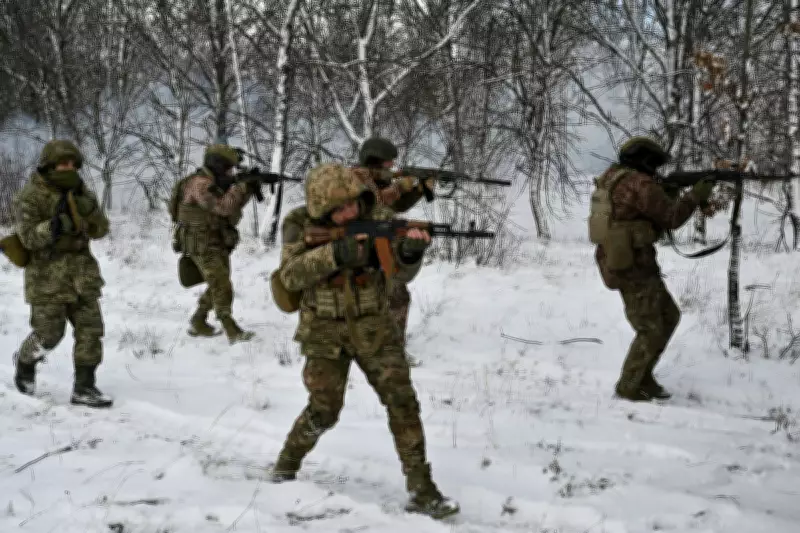
Ukrainian President Volodymyr Zelensky has hailed significant military breakthroughs as his forces make advances in the Zaporizhzhia and Dnipropetrovsk regions, marking a pivotal moment in the ongoing conflict. However, Zelensky cautioned that the escalating Middle East crisis is severely hindering diplomatic efforts and could potentially disrupt missile supplies to Ukraine, complicating the strategic landscape.
Diplomatic and Legal Developments
In a notable legal move, a Polish court has approved the extradition of Russian archaeologist Alexander Butyagin to Ukraine, where he faces charges of plundering historical artefacts in Crimea. Russia has condemned this decision as politically motivated, alleging it undermines international legal norms. Meanwhile, Turkey has offered to host the next round of peace negotiations between Russia and Ukraine, aiming to foster dialogue amid heightened tensions.
Russian Challenges and NATO Responses
Russia is currently grappling with outbreaks of cattle diseases, officially identified as pasteurellosis or rabies, across at least ten regions. This has led to controversial culling measures, with some farmers and scientists expressing scepticism about the official diagnoses and handling of the situation. Concurrently, Sweden's Security Service has identified Russia, China, and Iran as the primary threats to national security, highlighting ongoing geopolitical risks.

A senior NATO officer has advocated for extending the alliance's fuel pipeline network eastward, a strategic move to enhance logistical support and resilience in the region. This proposal comes as Zelensky showcased Ukraine's advanced drone technology, emphasizing its capability for production and potential supply to allies, underscoring Ukraine's growing role in defence innovation.
Global Context and Future Implications
The world's attention remains divided, with the Middle East crisis distracting from the Ukraine conflict, potentially impacting international aid and diplomatic initiatives. Zelensky's warnings about missile supplies reflect broader concerns over resource allocation in a multipolar crisis environment. As Ukraine continues to advance in what he described as 'kill zone' areas, the interplay of military, diplomatic, and health factors shapes the evolving dynamics of the war.