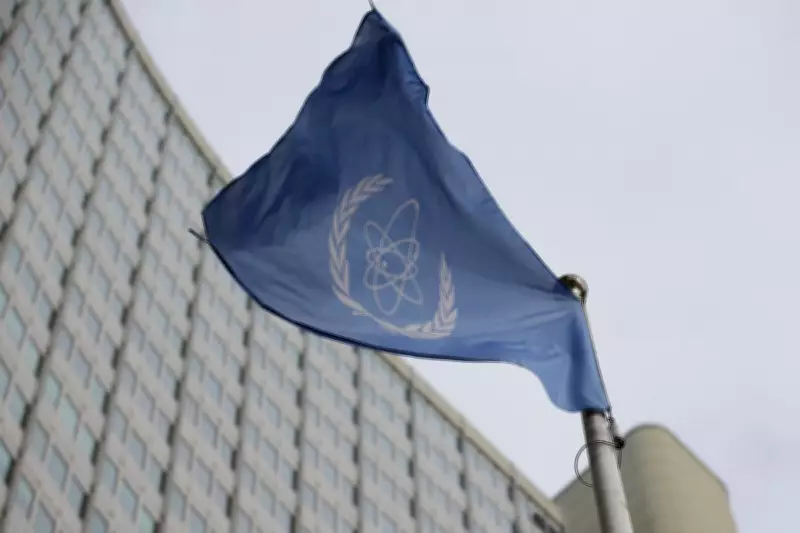
The United Nations atomic watchdog's board convened a critical special session on Friday to deliberate on mounting nuclear safety risks in Ukraine. This urgent gathering was prompted by escalating concerns that relentless Russian attacks on Ukrainian energy infrastructure are heightening the danger of a potential nuclear accident.
International Diplomatic Pressure Mounts
The International Atomic Energy Agency's board of governors held this meeting at the request of the Netherlands, with backing from eleven other nations. These included Belgium, Canada, France, Germany, Italy, Japan, Lithuania, Luxembourg, Portugal, Romania, and the United Kingdom. Although the session is not expected to yield any binding resolutions, its primary objective is to amplify diplomatic pressure on Russia regarding its military actions.
Warnings from Diplomats and Officials
Netherlands Ambassador Peter Potman addressed the board, highlighting the severe impact of Russia's "ongoing and daily" assaults on Ukraine's energy systems in recent weeks. He emphasised that these attacks have inflicted significant damage, leaving millions of Ukrainians without power during a harsh winter. More alarmingly, Potman warned that this situation is adversely affecting nuclear safety in Ukraine, pushing the prospect of a nuclear accident perilously close to reality.

IAEA Director General Rafael Grossi echoed these concerns, stating that damage to electrical substations "undermines nuclear safety and must be avoided." He explained that while nuclear power plants generate their own energy, they depend on a continuous external power supply from these substations to maintain essential reactor cooling systems. In cases of sudden power loss, emergency diesel generators are available as a backup, but if these also fail, the risk of a nuclear meltdown increases substantially.
Ukraine's Nuclear Landscape and Current Assessments
Ukraine operates four nuclear power plants, with three currently under Kyiv's control. The largest facility, the Zaporizhzhia nuclear power plant, has been occupied by Russian forces since the early stages of the full-scale invasion in 2022. Additionally, Ukraine is home to the former Chernobyl plant, the site of the world's most catastrophic nuclear accident in 1986.
Grossi reported that an IAEA expert mission is actively assessing ten crucial electrical substations in Ukraine amid ongoing strikes on the country's power infrastructure. This mission aims to evaluate the integrity of these substations, which are vital for ensuring nuclear safety across the region.
Ukrainian Perspectives and International Efforts
Ukrainian Ambassador Yurii Vitrenko spoke to reporters as the meeting commenced, asserting that it is "high time" for the IAEA to "shine an additional spotlight on the threat to nuclear safety and security in Europe." He attributed this threat directly to Russia's "systematic and deliberate destruction of Ukrainian energy infrastructure."
Vitrenko also expressed appreciation for the "personal efforts" of U.S. President Donald Trump to "halt energy terror by the Russian Federation," expressing hope that these initiatives would yield "tangible results." However, as of Friday, the specifics of a Russian commitment to Trump regarding a temporary halt to bombardments during Ukraine's severe winter remained unclear, adding to the uncertainty surrounding the situation.
The discussions underscore the international community's growing apprehension over the intersection of military conflict and nuclear safety, with diplomats and experts urging immediate action to prevent a potential disaster.