

Arizona Files Criminal Charges Against Kalshi in Landmark Prediction Market Clash
Arizona has made legal history by becoming the first state to file criminal charges against Kalshi, the popular prediction market platform. The state accuses the company of operating an illegal gambling business within its borders, marking a significant escalation in the ongoing regulatory battle between states and prediction markets.
Details of the Criminal Charges
The 20-count charging document alleges that Kalshi has been accepting bets on political outcomes, college sporting competitions, and individual player performances in direct violation of Arizona's gambling laws. The state specifically prohibits operating an unlicensed wagering business and bans betting on elections entirely.
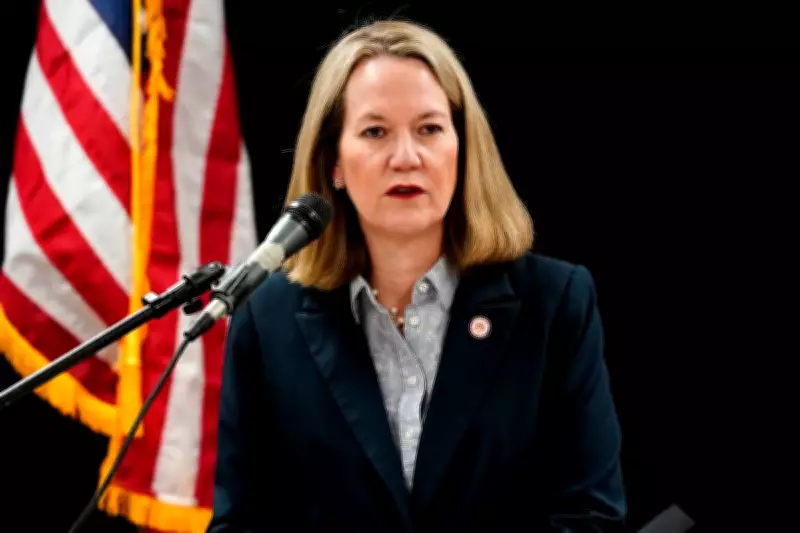
"Arizona will not be bullied into letting any company place itself above state law," declared Democratic Attorney General Kris Mayes, emphasizing the state's determination to enforce its regulations.

The Broader Legal Battle
This criminal case represents a new front in the high-stakes legal conflict over whether prediction markets should be subject to the same regulations as traditional gambling companies. The outcome could have sweeping implications for how sports betting—which constitutes approximately 90% of Kalshi's trading volume—is regulated across the United States.
The Trump administration has thrown its support behind the multibillion-dollar prediction market industry, creating a significant state-versus-federal fight for regulatory control. President Donald Trump's eldest son, Donald Trump Jr., serves as a strategic adviser for Kalshi, while the president's social media platform, Truth Social, is launching its own cryptocurrency-based prediction market called Truth Predict.
Kalshi's Defense and Federal Position
Kalshi maintains that it operates as a financial marketplace rather than a gambling operation and argues it should only answer to federal regulators with the Commodity Futures Trading Commission (CFTC). The agency under the Trump administration agrees that it has exclusive oversight of the platform.
Elisabeth Diana, a spokesperson for Kalshi, dismissed the Arizona charges as "meritless" and accused the state of attempting to circumvent federal court jurisdiction.
Recent Legal Developments
Kalshi has sued Arizona, Utah, and Iowa in attempts to block anticipated state action against its platform. However, on Tuesday, U.S. District Judge Michael Liburdi in Arizona—a Trump appointee—denied Kalshi's request and ordered the company to demonstrate why the case should remain in federal court given the new state criminal charges.
At least nine other states have taken some form of legal action against Kalshi, with Utah's Republican governor pledging to sign a bill that could undermine the company's business in that state. Legal outcomes have been mixed so far:
- Judges in Nevada and Massachusetts issued early rulings favoring states looking to ban Kalshi and its competitor Polymarket from offering sports betting
- Judges in New Jersey and Tennessee have ruled in favor of Kalshi
Industry Response and Operational Details
CFTC chairman Michael Selig stated that the legal fight between Arizona and Kalshi is fundamentally a jurisdictional issue and is "entirely inappropriate as a criminal prosecution."
The state argues that Kalshi operates as a gambling business that merely brands itself as a marketplace. However, the company contends its product is fundamentally different because customers engage in "swaps" between one another rather than betting against the "house."
Kalshi operates by allowing customers to buy and sell "Yes" or "No" contracts tied to the probable outcome of events. Anyone with a smartphone can wager on everything from whether it will snow in Miami to whether Trump will use specific buzzwords in speeches. Contracts typically price between one cent and 99 cents, roughly translating to the percentage of customers who believe an event will occur.

Timing and Broader Implications
The Arizona charges were filed just days before the start of the NCAA men's and women's basketball tournaments, one of the busiest periods for prediction markets and sportsbooks. Kalshi announced a $1 billion perfect bracket challenge on Monday without mentioning the NCAA or March Madness trademarks.
The NCAA has expressed concern about sports event contracts on prediction markets and their potential effects on competitions. This case could establish important precedents for how emerging financial technologies intersect with established gambling regulations across multiple jurisdictions.





