UNESCO Sounds Alarm Over Damage to Iranian Cultural Heritage in Ongoing Conflict
The United Nations Educational, Scientific and Cultural Organization (UNESCO) has voiced its deep concern regarding the impact of hostilities on invaluable cultural landmarks across the Middle East. Specifically, the agency confirmed that four of Iran's twenty-nine designated world heritage sites have sustained damage since the commencement of US and Israeli military actions against Iran.
Historic Sites Suffer Direct Impact
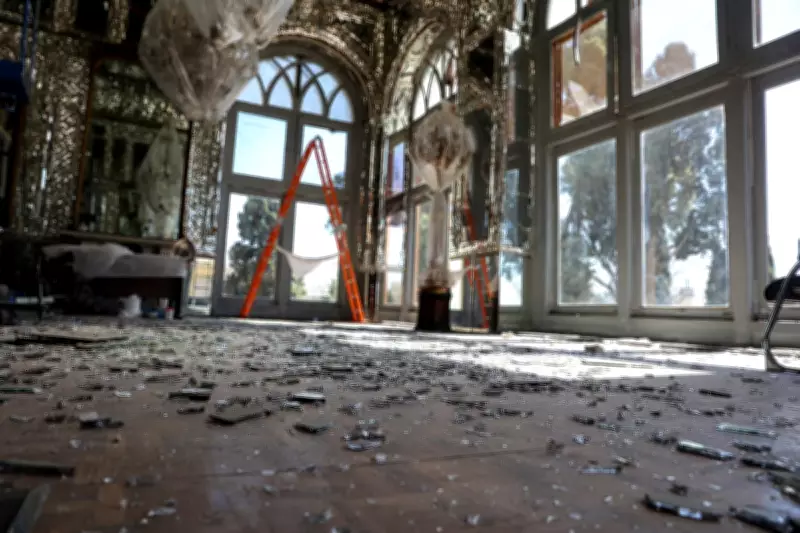
Among the affected sites is Tehran's renowned Golestan Palace, a complex often compared to France's Palace of Versailles for its architectural and historical significance. Selected as the royal residence by the Qajar dynasty, the palace exemplifies the fusion of European influences with traditional Persian artistry and served as the location for the coronation of the last Shah of Iran, Mohammad Reza Pahlavi, in 1969.
Lazare Eloundou Assomo, Director of the UNESCO World Heritage Centre, stated to Reuters, "UNESCO is deeply concerned by the first impact that the hostilities are already having on many world heritage sites." He confirmed that imagery received by the agency shows clear damage to Golestan Palace, though the full extent remains unassessed. Photographic evidence reveals interiors littered with shattered glass and splintered woodwork.

Ancient Mosque and Other Landmarks Affected
Further damage has been reported in the historic city of Isfahan, a pivotal hub on the ancient Silk Road. The Masjed-e Jame, or Jameh Mosque, which traces its origins back over a millennium and chronicles the evolution of Islamic art across twelve centuries, has also been impacted. Additionally, another palace in Isfahan and structures near the buffer zone of the prehistoric Khorramabad Valley sites have suffered harm.
Mr. Assomo extended his concern to cultural sites across the broader region, including in Israel and Lebanon, emphasizing the universal value of these landmarks. "We are calling for the protection of all sites of cultural significance ... everything that tells the history of all the civilisations of the 18 countries in the region," he urged.
UNESCO's Protective Measures and Appeals
In response to the escalating threat, UNESCO has proactively shared the precise geographical coordinates of critical cultural sites with all involved parties to facilitate their protection. The agency is actively monitoring the situation to assess further damage and continues to implore all combatants to respect and safeguard the region's outstanding cultural heritage.
The damage to these sites represents not only a loss for Iran but for global cultural history, underscoring the tragic collateral consequences of armed conflict on humanity's shared patrimony.