UNESCO Voices Grave Concern Over Damage to World Heritage Sites in Middle East
The United Nations Educational, Scientific and Cultural Organization (UNESCO) has expressed deep apprehension regarding the impact of ongoing hostilities on world heritage sites across the Middle East, with particular focus on Iran. The agency confirmed that four of Iran's twenty-nine designated world heritage sites have sustained damage since the conflict began, raising alarms about the preservation of invaluable cultural landmarks.
Damage to Iranian Cultural Treasures
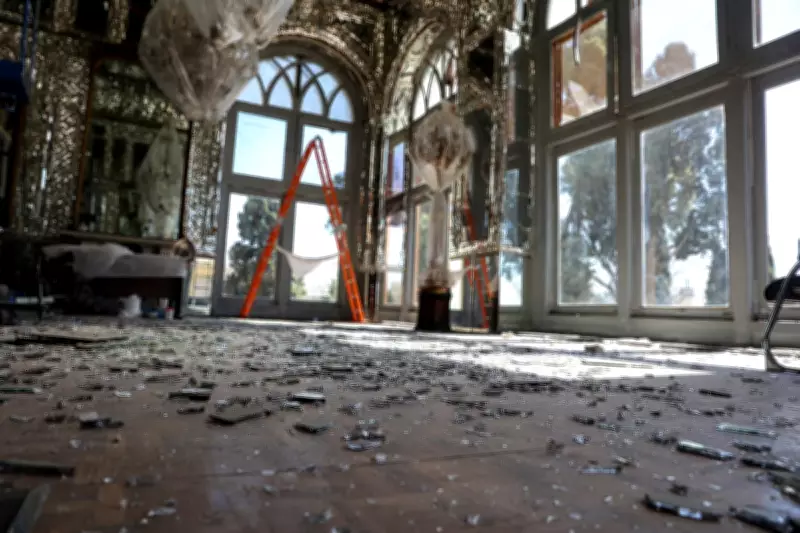
Among the affected sites is Tehran's Golestan Palace, a structure often compared to France's Versailles due to its architectural significance. This palace, which served as the Persian royal residence under the Qajar dynasty and was the site of the last Shah of Iran's coronation in 1969, has reportedly suffered damage from strikes. UNESCO's website notes that the palace exemplifies the fusion of European styles with traditional Persian arts, making its preservation critical.
Lazare Eloundou Assomo, director of the World Heritage Centre, stated to Reuters, "UNESCO is deeply concerned by the first impact that the hostilities are already having on many world heritage sites." He emphasized that the damage extends beyond Iran, with concerns also for sites in Israel, Lebanon, and other parts of the region. Photos from Golestan Palace reveal interior devastation, including shattered glass and woodwork scattered across floors.

Additional Sites at Risk
In Isfahan, a historically significant city along the Silk Road, the Masjed-e Jame (Jameh Mosque) and another palace have also been impacted. The mosque, over a millennium old, showcases the evolution of Islamic art across twelve centuries, highlighting its cultural importance. Furthermore, UNESCO reported damage to buildings near the buffer zone of the prehistoric Khorramabad Valley sites, underscoring the widespread nature of the threat.
Eloundou Assomo elaborated, "We are calling for the protection of all sites of cultural significance ... everything that tells the history of all the civilisations of the 18 countries in the region." UNESCO has proactively shared coordinates of key cultural sites with all involved parties and is actively monitoring the extent of the damage, though full assessments are pending.
Urgent Calls for Protection
The agency has issued a strong appeal to all conflicting parties to safeguard the region's outstanding cultural heritage. This plea comes amid escalating tensions that threaten not only human lives but also the historical narratives embedded in these sites. The damage to Golestan Palace, in particular, serves as a stark reminder of the vulnerability of such treasures during times of war.
As the conflict continues, UNESCO's efforts to document and address the damage highlight the broader implications for global cultural preservation. The agency's monitoring and advocacy aim to mitigate further loss, but the situation remains fluid, with the full scale of destruction yet to be determined.