Collective Monologue Review: A Sensuous Exploration of Zoo Life
The film Collective Monologue offers a profound and intimate look into the world of a zoo, focusing on the delicate and often overlooked relationships between keepers and the creatures they care for. Released in 2026, this documentary-style piece has garnered attention for its unique approach to animal-human interactions, presenting a sensuous study that goes beyond traditional wildlife footage.
Foregrounding Intimate Contacts
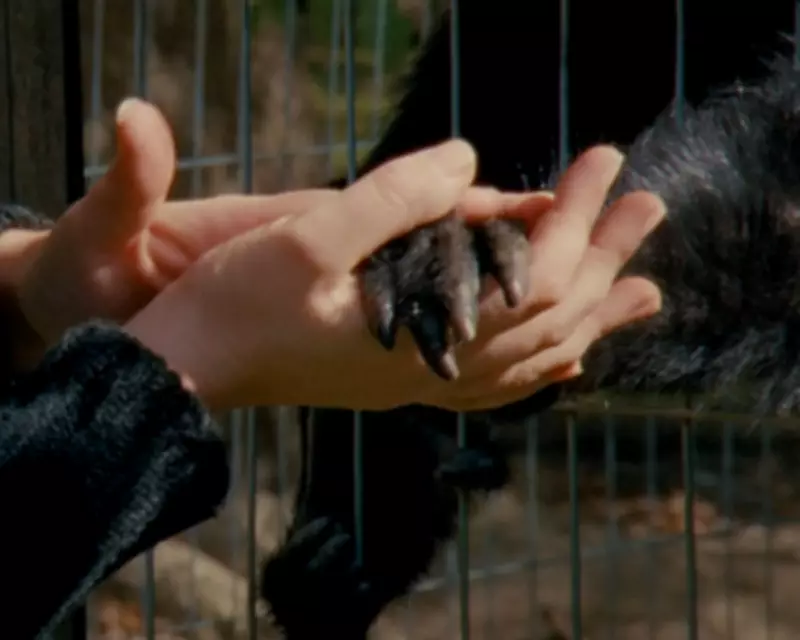
At the heart of Collective Monologue is its emphasis on the physical and emotional contacts between zookeepers and animals. The film meticulously captures moments of tenderness, such as gentle touches during feeding times or quiet companionship in enclosures. These scenes are not just observational; they are crafted to evoke a deep sense of connection, highlighting how keepers form bonds that transcend mere duty.
Through close-up shots and ambient sound design, the film immerses viewers in the sensory experiences of the zoo. The rustle of fur, the soft murmurs of keepers, and the subtle movements of animals create a rich tapestry that foregrounds these interactions. This sensuous approach challenges viewers to reconsider their perceptions of captivity and care, suggesting that such environments can foster meaningful relationships.

A Study in Animal-Human Dynamics
Collective Monologue functions as a detailed study of the dynamics within a zoo setting. It explores how keepers navigate the complexities of their roles, balancing professional responsibilities with personal attachments to the animals. The film features interviews and monologues from the keepers themselves, providing insight into their motivations and emotional journeys.
- Keeper Perspectives: The documentary includes candid accounts from zookeepers, discussing the joys and challenges of their work.
- Animal Behavior: Observations of animal responses to human presence are documented, showing patterns of trust and familiarity.
- Environmental Factors: The film examines how zoo design and routines influence these contacts, from enclosure layouts to daily care schedules.
This study is not merely academic; it is presented with a poetic sensibility that makes the subject matter accessible and engaging. By focusing on specific cases, such as the bond between an elderly keeper and a rescued primate, the film personalizes the broader themes of connection and coexistence.
Critical Reception and Impact
Since its release, Collective Monologue has received praise for its innovative storytelling and emotional depth. Critics have noted its ability to humanize both the keepers and animals, avoiding sensationalism in favor of authenticity. The film's sensuous aesthetic has been highlighted as a key strength, drawing viewers into a world that is often hidden from public view.
In terms of impact, the film sparks conversations about ethics in zoos and the potential for positive human-animal relationships in controlled environments. It encourages a reevaluation of what it means to care for wildlife, suggesting that such bonds can enhance animal welfare and keeper satisfaction. As a piece of cinema, it stands out for its thoughtful composition and resonant themes, making it a significant contribution to documentary filmmaking in 2026.
Overall, Collective Monologue is a compelling and sensuous zoo study that foregrounds the contacts between keepers and creatures. Its focus on intimacy and connection offers a fresh perspective on zoo life, inviting audiences to reflect on the deeper bonds that can form in these settings.