Down with Love: The Cult Romcom That Defied 2003 Box Office Expectations
In May 2003, a romantic comedy starring Renée Zellweger and Ewan McGregor appeared destined for blockbuster success. Zellweger was fresh from consecutive Oscar nominations for Bridget Jones’ Diary and Chicago, while McGregor had captivated audiences in zeitgeist-defining hits like Moulin Rouge and Star Wars. Yet, upon its release, Down with Love barely made a ripple at the box office, leaving both critics and audiences perplexed by its campy aesthetic and embrace of artificiality.
A Delightfully Deranged Game of Cat and Mouse
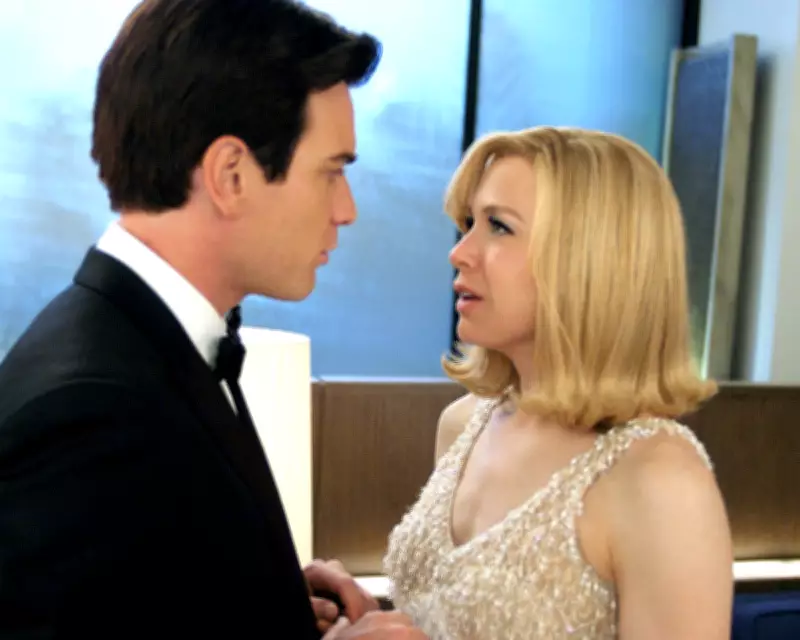
The film follows Barbara Novak, played by Zellweger, a writer who arrives in New York City in 1962 to publish her feminist manifesto, Down with Love. Her book urges women to reject romance, embrace sexual freedom, and challenge the rigid gender norms of 1950s America. With the support of her publisher Vikki, portrayed by Sarah Paulson, the book becomes a global sensation, much to the dismay of Catcher Block, a charismatic journalist at Know Magazine played by McGregor.
Block, suspecting Novak of fraud, devises a plan to expose her by posing as the naive astronaut Zip Martin. What ensues is a delightfully deranged game of cat and mouse, where the two adversaries inevitably fall for each other. The plot hinges on a nonsensical third-act twist delivered in a breathless monologue by Zellweger, culminating in a dramatic wig reveal that underscores the film's playful absurdity.

Subversive Themes and Queer Threads
Despite its zany screenplay filled with double entendres, Down with Love offers a cheekily subversive narrative. It diverges from traditional romantic comedy endings by allowing Barbara to achieve love without compromising her feminist ideals. The film also weaves a deliciously queer thread, with openly gay actors Sarah Paulson and David Hyde Pierce portraying the lead characters' best friends.
Their romance of convenience highlights the film's sympathy for queer individuals navigating the heteronormative pressures of the 1960s, while satirising the rigidity of gender and sexual performance. This thematic depth, combined with its camp sensibility, has cemented the movie's status as a cult favourite.
Synthetic Aesthetics and Nostalgic Homage
The film's fascination with performance is amplified by its synthetic, candy-coloured visuals. Mimicking early Hollywood techniques, it employs rear projection, painted skylines, and expansive studio sets to create a dream-like version of New York. The sets are peppered with visual gags, from phallic telescopes to suggestive split-screen phone calls, all enhanced by Daniel Orlandi's enchanting costumes.
Years before Mad Men popularised 1960s fashion, Down with Love celebrated the enduring legacy of that era's attire. Its homage to sex comedies like Pillow Talk and Lover Come Back was initially lost on mainstream audiences, but today, its critique of gender roles remains strikingly relevant.
Enduring Relevance in Modern Culture
As contemporary debates around sexuality and gender grow increasingly polarised, the film's message resonates anew. The rise of tradwife movements and redpilled ideologies threatens to revert to mid-century conservatism, romanticising a time of limited female autonomy. Down with Love, while indulging in nostalgic fantasy, invites viewers to envision a world where women and queer people can enjoy love, sex, and equality—all while looking impeccably stylish.
Available for streaming on Disney+ in Australia and the UK, and for rental in the US, this 2003 gem continues to captivate audiences with its unique blend of satire, camp, and heartfelt commentary.