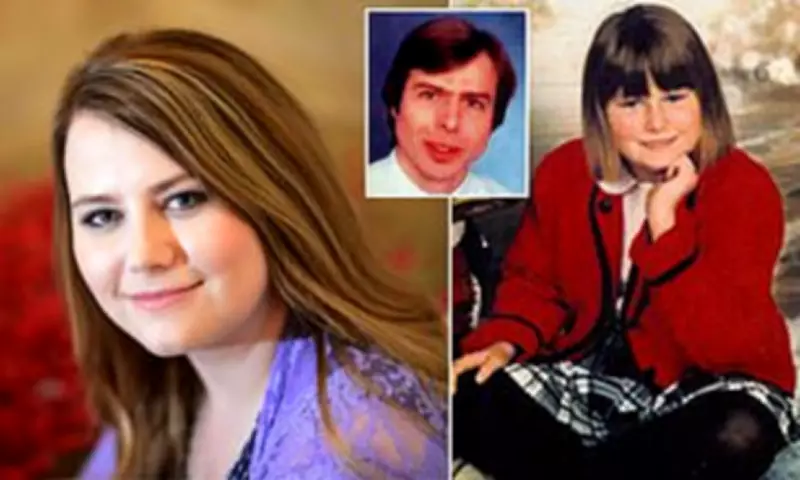
A documentary focusing on the life of former captive Natascha Kampusch has been abruptly cancelled by Austria's national broadcaster, ORF, following revelations from her family about her deteriorating mental health. The programme, titled 'Natascha Kampusch – Trapped in Freedom', was scheduled to air to commemorate the twentieth anniversary of her escape from a horrific eight-year imprisonment.
Family Disclosures Prompt Last-Minute Decision
The decision to scrap the documentary came after Natascha's sister, Claudia Nestelberger, disclosed in promotional material that Natascha is currently suffering from serious psychological issues. Claudia described her sister as being 'completely gone' and 'mostly in her own world', stating that doctors are feeling overwhelmed by her condition. This poignant revelation has cast a shadow over what was intended to be a reflective piece on her journey since gaining freedom.
Legal and Ethical Controversies Surface
The cancellation was officially attributed by ORF to 'differing opinions regarding Natascha Kampusch's personal rights', sparking a significant row over the documentary's release. Reports indicate that Natascha's medical team strongly opposed the broadcast, while prominent Austrian media lawyer Maria Windhager condemned it as a 'massive violation of the most personal sphere of life'. Additionally, an Austrian victim charity initiated legal proceedings in an attempt to block the airing, highlighting the sensitive nature of the content.

A Harrowing Past Recalled
Natascha Kampusch, now 38 years old, was abducted at the age of ten in 1998 by Wolfgang Přiklopil while she was walking to school in Austria. She was held captive in a secret basement cell beneath his garage, measuring just five by five metres, which was soundproofed and windowless. During her eight-year ordeal, she endured brutal beatings—reportedly up to 200 times a week—starvation, and was forced into sexual slavery. Přiklopil, a technician in his thirties who lived with his mother, committed suicide by jumping in front of a train immediately after learning of her escape in August 2006.
Life After Captivity: A Complex Journey
In the years following her escape, Natascha authored a bestselling book, '3,096 Days', which was later adapted into a film, and she even hosted her own television talk show. As recently as 2023, she expressed optimism about her future, engaging in activities such as designing jewellery and participating in humanitarian projects like building a hospital in Sri Lanka. She also found solace in nature and spending time with her horse. However, the recent disclosures from her family paint a starkly different picture, suggesting a severe regression in her mental state.
Psychological Impact and Family Anguish
Claudia Nestelberger's comments in the documentary snippets reveal the depth of Natascha's current struggles, describing her as being 'in a kind of prison again' and noting that it is 'heartbreaking' for the family, who feel helpless. This echoes Natascha's own past descriptions of her captivity, where she regressed to a childlike dependency, asking to be tucked in and read bedtime stories. The psychological scars from her traumatic experience appear to have resurfaced with devastating effect.
Broader Implications and Public Reaction
The cancellation has ignited a debate about media ethics and the right to privacy, particularly for individuals who have survived extreme trauma. It underscores the ongoing challenges faced by victims of high-profile crimes in managing their public narratives while coping with personal health issues. The case continues to draw attention to the long-term effects of kidnapping and abuse, as Natascha's story remains a poignant reminder of resilience and vulnerability.