Tradwife Fiction Emerges as 2026's Most Debated Literary Genre
Tradwife influencers, long lightning rods for debates on gender roles and conservative ideology, are now stepping into the spotlight as literary protagonists. Katie Rosseinsky delves into the rise of this provocative new genre, with Caro Claire Burke's debut novel 'Yesteryear' leading the charge as its most talked-about entry yet.
The Allure of the Tradwife Protagonist
Natalie Heller Mills, the central character in 'Yesteryear', embodies the quintessential tradwife ideal. Described as "the mother every woman wanted to be, and the wife every man wanted to come home to", she exudes the low-maintenance beauty reminiscent of period drama heroines. As a devoted mother to six children, including one named "Stetson", Natalie spends her days on her family's sprawling ranch, Yesteryear, engaging in homesteading activities like churning butter, baking sourdough, and tending to chickens.
Her lifestyle is a deliberate nod to the nostalgic days of American homesteaders, meticulously curated and broadcast to 8 million Instagram followers. Natalie represents the tradwife par excellence, promoting a back-to-basics ethos that both captivates and unsettles modern women grappling with burnout and doomscrolling habits. Yet, her seemingly perfect existence is about to unravel in a dramatic twist.

A Twist of Time and Reality
Natalie's world is shattered when she awakens in an early-19th-century version of her farmhouse, stripped of all modern conveniences like heating, refrigeration, and wifi. Surrounded by unfamiliar children and a husband with pre-civil war attitudes towards marital duties, she finds herself in an iPhone-free zone that feels eerily surveilled. This surreal scenario forces Natalie to confront whether her antiquated beliefs, held in theory, can withstand the harsh realities of a bygone era.
The premise of 'Yesteryear' has generated immense buzz ahead of its release, with Burke, a journalist and podcast co-host, tapping into a zeitgeisty topic. The tradwife phenomenon, a portmanteau for "traditional wife", has evolved into a widely discussed pop-cultural trend, symbolising women who embrace rigid gender norms centred on housekeeping and child-rearing.
The Cultural Impact of Tradwife Influencers
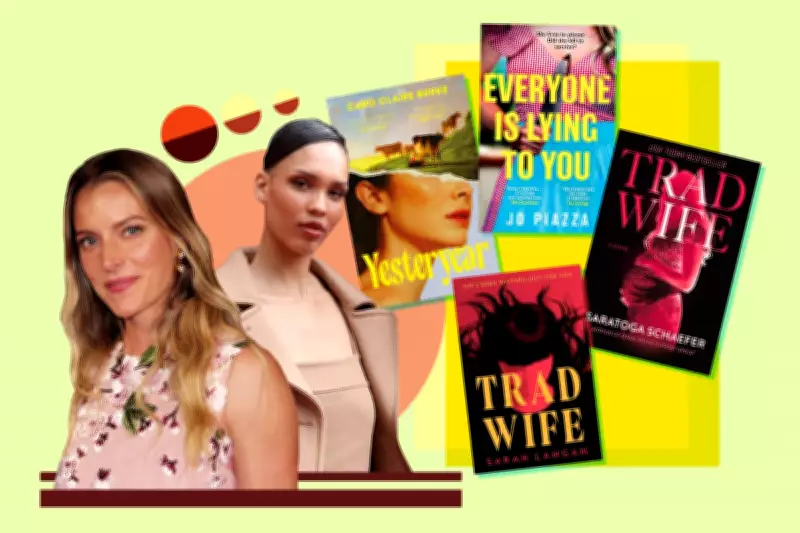
Prominent figures like Hannah Neeleman of Ballerina Farm, a Juilliard-trained dancer turned rancher with nine children and over 10 million Instagram followers, and Nara Smith, a model crafting homemade goods in couture gowns, have fuelled intense debate. These women, often associated with Mormonism, have become focal points for discussions on whether they romanticise regressive femininity, serve as gateways to right-wing politics, or are savvy entrepreneurs leveraging old-fashioned aesthetics for profit.
This discourse has transcended thinkpieces and TikTok, spilling into fiction where complex questions can simmer like a sourdough starter. 'Yesteryear' has already sparked significant hype, highlighted by an 11-way auction for publication rights and a film adaptation optioned by Amazon, with Anne Hathaway set to produce and star. However, it is not alone in this burgeoning genre.
The Expansion of Tradwife Literature
The genre, blending domestic noir with fictionalised influencer confessional and topical themes, includes works like Jo Piazza's thriller 'Everyone Is Lying to You', which explores a journalist's investigation into a missing tradwife influencer. This year also sees two novels titled 'Trad Wife': one by Saratoga Schaefer, a body horror delving into procreation desires, and another by Sarah Langan, inspired by real-life interviews with tradwife figures. These stories probe the sinister gap between appearance and reality in influencer culture.
Authors are drawn to tradwife protagonists for their rich contradictions. Burke, inspired by her uneasy fascination with these figures, describes them as "a Trojan horse for conservative politics and feminist anger". They offer a lens to examine the roles women are expected to perform and the ideologies shaping them.

Contradictions and Marketable Nostalgia
Burke astutely captures the paradoxes in Natalie's world, where old-fashioned cosplay is consumed on modern social media. Natalie preaches organic diets yet allows pesticide use on crops, reliant on unseen undocumented labourers. Her merchandise, promoting an all-American lifestyle, is manufactured in China. These hypocrisies make Natalie a compelling character, as her adherence to tradwife ideals often seems more expedient than genuine.
Despite advocating for traditional gender roles, Natalie is the driving force behind her empire, ironically profiting from suggesting women abandon careers. Burke highlights how Natalie's dream life is fraught with contradictions, exacerbated when thrust into the past. As a product of the 21st century, the tradwife serves as a fitting literary protagonist for an era where nostalgia for a non-existent past is a highly marketable commodity. 'Yesteryear' by Caro Claire Burke is published on 9 April by 4th Estate, cementing its place in this provocative new genre.