Atlanta's Film Industry Crisis: Is the 'Hollywood of the South' Fading?
Georgia's once-thriving film industry is grappling with a profound downturn, casting doubt on Atlanta's celebrated status as the "Hollywood of the South." The sector, which boomed with generous tax incentives, now faces plummeting spending, vanishing jobs, and an exodus of major productions overseas.
From Boom to Bust: A Personal Struggle
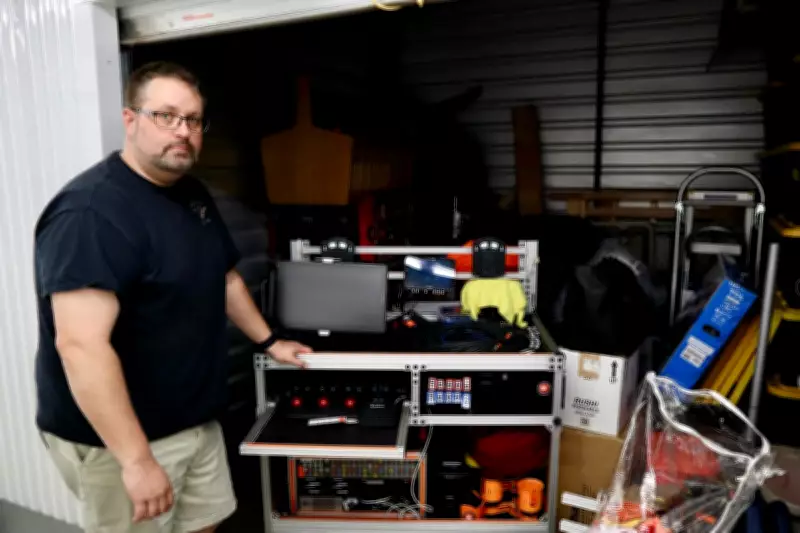
Chris Ratledge, a 48-year-old digital imaging technician, epitomises the industry's collapse. After moving from Indiana to Georgia in 2017, he earned up to $9,500 weekly on sets for hits like Red Notice and P-Valley, paying off years of back taxes. Today, he has worked just four days since May 2024, relying on a $15-an-hour tennis centre job and food stamps to support his family of four.
"All I want for Christmas is for my film career back," Ratledge posted on Instagram in December. His wife, a cancer survivor, cleans houses part-time, and they have downsized their rental home, struggling to cover $2,000 monthly rent. Ratledge describes feeling deeply depressed and in debt, mirroring broader industry woes.

Production Spending Plummets
After peaking at $4.4 billion in 2022, film and TV production spending in Georgia tumbled to $2.3 billion in the last fiscal year. Total productions dropped from 412 in 2022 to 245 last year, exacerbated by the 2023 writers and actors strikes and COVID-19 recovery challenges.
Lee Thomas, deputy commissioner of the Georgia Film Office, noted, "We saw a lot of productions start looking overseas, knowing that they wouldn’t have another work stoppage. We knew it would be like a reset... but it was a bigger, harder fall than we anticipated."
Marvel has shifted its massive productions to the UK, where costs are cheaper, with its last Georgia film being 2025's Thunderbolts. Streamers like Netflix are also filming abroad more often, while states like California and Texas ramp up incentives to compete with Georgia's tax credits, which cover up to 30% of costs.
Industry Professionals Feel the Pinch
Local Facebook groups overflow with complaints about scarce work. Monique Younger, an Atlanta costume supervisor, says her workload is less than half of what it once was, making her "feel a little bit useless." Jen Farris, a longtime location scout, now navigates two- or three-month gaps between projects, forcing her to "watch her pennies" and rely on savings.
"You just pray that you have nested away enough to float a little bit," Farris said, highlighting the precarious financial state many face.
Training for an Uncertain Future
Despite the bleak outlook, Shadowbox Studios, a major soundstage operator, is investing in Atlanta's future. It hosts programs like Backlot Academy, launched in 2022 to diversify film professions, offering free digital courses and mentorship to Black college students.
Trainee Julian Williams, a 24-year-old digital media student, aims to break in as a production assistant, inspired by Atlanta's collaborative community. "People are genuinely helpful and willing to share what they know," he said.
Shadowbox COO Mike Mosallam emphasised Atlanta's role as an antidote to overseas production shifts, citing experienced crews, lower costs, and diverse landscapes. However, on a recent training day, only one of Shadowbox's nine soundstages was booked, reflecting the downturn.
Searching for a Reset
Ratledge, who grew up loving movies after seeing his Indiana town in Hoosiers, seeks one steady TV job to stabilise his finances. "A five- or six-month series would allow me to restore health insurance, file for bankruptcy, and hit the reset button," he said, comparing his plight to Detroit's auto industry collapse in the 1970s.
Even former President Donald Trump has called for tariffs to keep film production in the US, though experts deem the plan vague. Thomas notes some rebound, crediting a new state law expanding tax incentives to short-form videos and ad-supported streaming channels like Tubi.

Farris remains optimistic, believing Atlanta's creative talent will endure. "People moved their families here. This wasn’t just about film—it brought in brilliant new minds. I really believe Georgia will find a way to foster an entirely new wave of artistic possibility," she said.