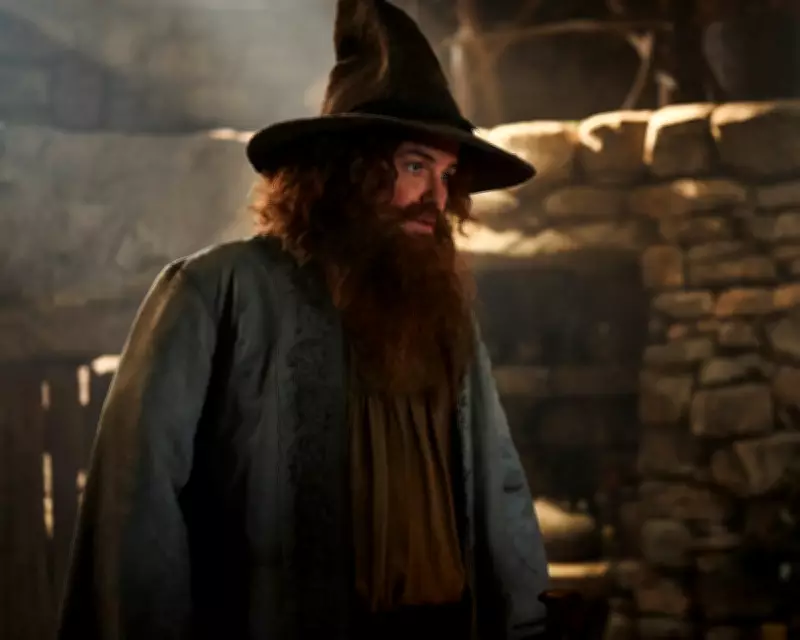
Stephen Colbert's New Lord of the Rings Film to Explore Overlooked Tolkien Chapters
In a surprising development that feels almost like an April Fools' prank, American late-night host Stephen Colbert is set to write a new Lord of the Rings film titled Lord of the Rings: Shadow of the Past. The movie will focus on chapters three to eight from J.R.R. Tolkien's first volume, The Fellowship of the Ring, sections that were largely omitted from Peter Jackson's acclaimed film trilogy.
Hollywood's Return to Tolkien's Disposable Elements
This announcement comes as Hollywood circles back to monetise elements of Tolkien's work that were originally considered disposable. While Andy Serkis is directing Lord of the Rings: The Hunt for Gollum for release next year, Colbert's project takes a different approach by delving into the early, slower-paced chapters of the novel.
These pages, which include tales of Farmer Maggot's mushrooms, the enigmatic Tom Bombadil, and the eerie Old Forest, were bypassed by Jackson in favour of a more streamlined narrative. Jackson's adaptation introduced urgency but sacrificed the rich, verdant sense that Middle-earth contains older, stranger entities than Sauron himself.

Tom Bombadil's Potential Central Role
Colbert's script is reported to follow Sam, Merry, and Pippin as they retrace their original adventure, with Sam's daughter Elanor uncovering a long-buried secret that nearly lost the War of the Ring before it began. Given the focus on chapters three to eight, Tom Bombadil is expected to be at the heart of this mystery.
Tolkien aficionados have long lamented Bombadil's absence from official film adaptations. His brief appearance in Amazon's The Rings of Power series was divisive, but there are few alternatives from these chapters to drive a plot. The challenge for filmmakers is profound: explain Bombadil and ruin his mystery, or leave him enigmatic and risk a costly, shrug-inducing film.
The Irony of Adapting Tolkien's Loose Ends
Reports suggest that chapter eight, Fogs on the Barrow-downs, will be a primary focus, possibly requiring Bombadil to rescue hobbits once again. The irony is that Tolkien adored loose ends, songs, and digressions—elements that gave Middle-earth a sense of existing beyond the plot. He invented languages and pantheons to create a world that felt alive independently of narrative attention.
Now, Hollywood is auditing these very elements for content, transforming texture into text and appendices into main events. In this process, Bombadil may become the most important character in Middle-earth, yet paradoxically the least interesting, as his immortal, plot-indifferent nature clashes with cinematic stakes.
As this new film develops, Bombadil will likely continue skipping through the Old Forest, blissfully unaware of his newfound centrality, while Tolkien's legacy is both celebrated and hollowed out in the name of commercial expansion.