Disney's Live-Action Snow White Suffers Staggering $170 Million Loss
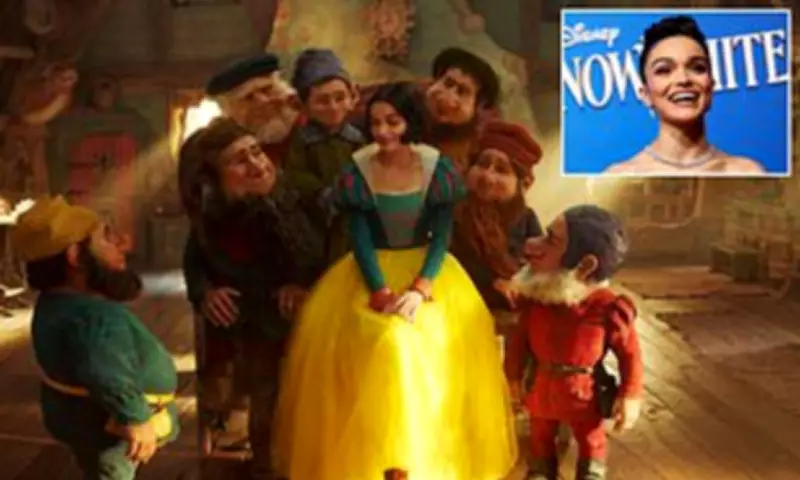
Disney's highly anticipated live-action remake of Snow White has reportedly flopped spectacularly, with the studio's progressive rebrand of the classic fairy tale resulting in a staggering $170 million financial loss. The film, which carried an enormous production budget of $336.5 million, has become one of the company's most significant box office disappointments in recent memory.
Box Office Performance Falls Dramatically Short
According to detailed financial analysis from Forbes, the Snow White remake generated only $87.3 million during its opening weekend in May 2025. The film went on to earn a total global box office revenue of just $205.7 million, placing it among Disney's lowest-grossing live-action adaptations. With the standard 50-50 revenue split between theaters and studios, Disney received approximately $102.9 million from the film's theatrical run.
After accounting for a $64.9 million reimbursement from UK film incentives that reduced production expenses to $271.6 million, the studio still suffered a devastating $168.7 million loss. This financial performance ranks the Snow White remake as the fifth-lowest grossing among Disney's twenty-one live-action adaptations, with only the 1994 Jungle Book remake performing worse under normal market conditions.

Controversial Changes and Public Backlash
The film faced significant criticism from multiple directions regarding its progressive reinterpretation of the classic story. Lead actress Rachel Zegler generated controversy during the 2022 filming period by describing Prince Charming as a "stalker" and labeling the original 1937 animated classic as "extremely dated" in its portrayal of women. These comments alienated many traditional Disney fans who cherished the original film.
Prominent figures in the entertainment industry voiced strong objections to the remake. Actor Peter Dinklage publicly criticized Disney for creating what he called a "backwards story about seven dwarfs living in a cave together." David Hand, son of the original Snow White director, expressed his belief that his father and Walt Disney would be "turning in their graves" over the modern adaptation.
Additional Controversies and Social Media Fallout
The film encountered further difficulties when the first trailer debuted featuring computer-generated dwarfs that many viewers described as "creepy." This trailer became one of the most disliked videos on YouTube, indicating widespread public disapproval of the visual approach.
Zegler's personal social media activity created additional complications for the film's promotion. The actress posted political messages including "Free Palestine" alongside her promotion of the Snow White trailer and made explicit anti-Trump statements during the 2024 election cycle. These controversial posts likely alienated potential audience members across the political spectrum and distracted from the film's marketing campaign.
Financial Transparency Through UK Filming
The detailed financial information about the Snow White remake became publicly available because the film was produced in the United Kingdom, where local regulations require greater financial transparency from film productions. Disney established a separate corporate entity called Hidden Heart Productions to take advantage of UK film incentives that reimburse portions of production costs.
These UK regulations, which differ significantly from the secretive financial practices common in Hollywood, forced Disney to disclose expenditure details that would normally remain confidential. This unusual transparency revealed the massive scale of the film's budget and subsequent financial failure, providing rare insight into the economics of major studio productions.
Historical Context of Disney's Live-Action Remakes
The Snow White remake joins a small group of Disney live-action adaptations that have underperformed financially. Other notable low earners include Mulan, 102 Dalmatians, and Christopher Robin, though some of these films faced extraordinary circumstances such as pandemic-related theater closures or inflation adjustments that actually placed their performance above Snow White's when properly contextualized.

This substantial financial loss represents a significant setback for Disney's strategy of adapting animated classics into live-action films, a approach that has generally proven highly profitable for the entertainment giant. The combination of controversial creative decisions, political statements from the lead actress, and public backlash against the film's visual elements created a perfect storm that resulted in one of Disney's most expensive failures in recent years.