The immortal Count Dracula, originally conceived by Bram Stoker in his 1897 Gothic horror novel, has undergone a remarkable transformation across more than two centuries of cultural interpretation. Once depicted as a repulsive and predatory figure, the vampire lord has evolved into a complex symbol of romantic passion and misunderstood desire in contemporary media.
The Rise of Dracula as a Romantic Figure
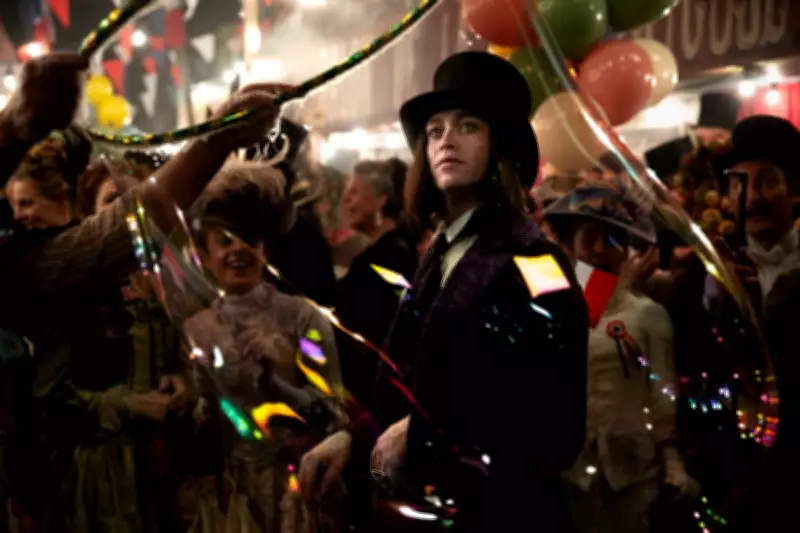
Recent adaptations have particularly emphasized Dracula's romantic dimensions. Luc Besson's 2026 film, originally titled Dracula: A Love Tale, presents the protagonist not merely as a monster but as a lover consumed by personal passion. The New York Times described actor Caleb Landry Jones' performance as "deliciously operatic: less villain, more virtuoso in love," capturing this nuanced portrayal.
This thematic shift extends beyond cinema. In London's West End, Cynthia Erivo's production features the Count as a central romantic figure, while a Washington, D.C. comedy titled Dracula: A Comedy of Terrors offers a humorous LGBTQ+ interpretation. These diverse representations mark a significant departure from Stoker's original creation.

Historical Origins: From Repulsive Monster to Seductive Antihero
In Stoker's novel, Dracula is described through grotesque physical characteristics: "course" hands, "extraordinary pallor," "extremely pointed" ears, and rank breath. Early cinematic adaptations like the 1922 German film Nosferatu: A Symphony of Horror maintained this monstrous aesthetic, presenting Count Orlok as ratlike and emaciated.
The transformation began gradually. The 1944 film House of Frankenstein introduced subtle romantic elements, with Dracula placing a magically fitting ring on a woman's finger. By 1958's Dracula (released as Horror of Dracula in the U.S.), Christopher Lee's portrayal included passionate moments that pushed censorship boundaries, with director Terence Fisher encouraging actors to convey intense sexual experience.
Cultural Shifts and Vampire Symbolism
Dracula's evolution mirrors broader societal changes in perceptions of gender, sexuality, and relationships. Post-World War II, as popular culture began challenging traditional family structures, vampire narratives incorporated themes of lust, infidelity, and alternative relationships.
The 1970s marked a significant turning point. Comic books like Vampirella presented vampires as hypersexualized symbols of power, while films explored themes like lesbianism. In Count Dracula's Great Love (1973), the vampire experiences unrequited love, dramatically declaring, "For the first time, love brings a finish to the life of Dracula," before staking himself.
The Search for Lost Love as Central Theme
A recurring motif in modern Dracula narratives is the vampire's pursuit of lost or reincarnated love. Francis Ford Coppola's 1992 adaptation Bram Stoker's Dracula features the Count traveling to England to find a reincarnation of his deceased wife. This concept borrowed from earlier works like the Gothic soap opera Dark Shadows (1966-1971), where vampire Barnabas Collins attempts to recreate his romance with a long-dead lover.
Even comic book series like The Tomb of Dracula explored romantic dimensions, with the Count marrying a human woman and fathering a child, ultimately learning to "understand things such as peace and rest and love."
Dracula's Enduring Duality
Despite the romantic turn, Dracula remains adaptable to traditional horror interpretations. Recent productions like Robert Eggers' 2024 Nosferatu revival demonstrate the character's continued capacity for terror. This duality reflects the vampire's fundamental role as a mirror of human experience—where romance teeters between love and pain, and passion carries frightening intensity.
As cultural attitudes toward love, gender, and sexuality continue evolving, Dracula's transformations will likely persist. Whether appearing as monster, lover, or both, the Count's enduring appeal lies in his ability to embody our deepest fears and desires, reminding audiences that fervent love often comes with a sharp bite.