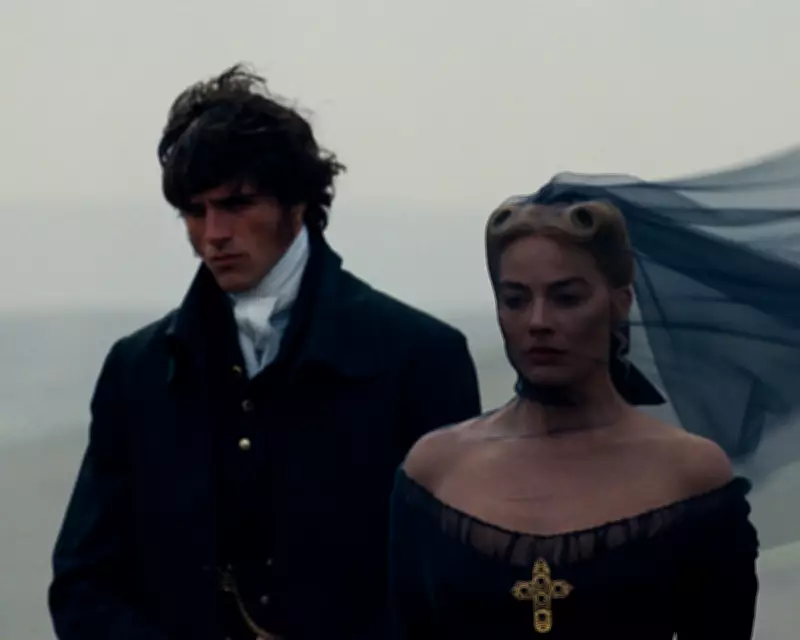
Emerald Fennell's Wuthering Heights Adaptation Sparks Criticism
Emerald Fennell's new film adaptation of Wuthering Heights has drawn sharp criticism for its focus on romance over the novel's deeper themes. Starring Margot Robbie and Jacob Elordi, the movie transforms Emily Brontë's classic into a corset-heaving love story, ignoring its exploration of class, race, and power dynamics.
Misguided Casting and Marketing Choices
The film's casting decisions raised early concerns. Margot Robbie, at 34, is too old to play the teenage Cathy, while Jacob Elordi's portrayal of Heathcliff overlooks the character's described darker skin and ambiguous origins. Combined with crass marketing tie-ins, these choices set a troubling tone for the adaptation.
Fennell aimed to recreate her teenage vision of the novel, but this approach has backfired. By centering the doomed love between Cathy and Heathcliff, she neglects the book's critical themes of revenge, generational trauma, and systemic violence. Heathcliff's story as a marginalized figure facing abuse due to his poverty and race is largely erased.

Stripping Away Political and Social Context
Wuthering Heights is not merely a love story; it is a profound commentary on racism and class struggle. Fennell's adaptation reduces these elements to background noise, favouring sensationalised scenes like BDSM and boarding-school pranks. The abuse of Isabella, a pivotal moment in the novel, is played for laughs, undermining Brontë's groundbreaking critique of marital oppression.
Fennell's privileged perspective limits her understanding of these themes. Her previous work, Saltburn, showcased a similar narrow worldview, and here, she blames servants for tragic outcomes, echoing elitist attitudes. This misreading strips the film of the radical edge that made the novel so boundary-pushing.
Aesthetic and Narrative Shortcomings
Visually, the film feels like a lengthy perfume advertisement, lacking the gothic strangeness of Brontë's original. Key elements, such as the ghostly apparitions and grave-digging scenes, are abandoned, losing the novel's eerie atmosphere. The result is a hollow, two-hour-sixteen-minute experience that fails to captivate or provoke thought.
Ultimately, Fennell's adaptation is seen as a cynical co-option by a filmmaker who either misunderstands or disregards the novel's core messages. It highlights ongoing issues in creative industries about whose voices are heard and what stories are prioritised, leaving audiences bored and disheartened by the missed opportunity.