The Creative Genesis and Casting of A Knight's Tale
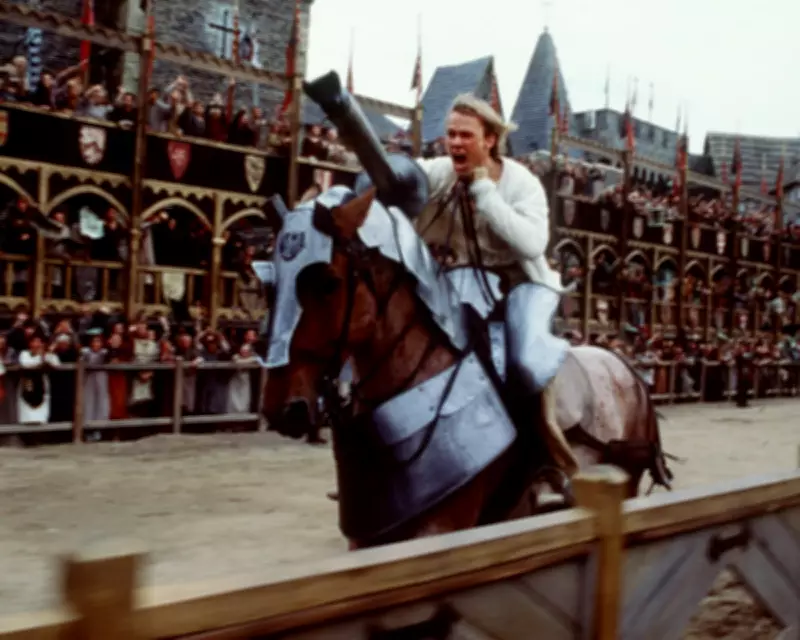
Brian Helgeland, the writer and director, conceived A Knight's Tale during a period of professional uncertainty after being dismissed from the Mel Gibson film Payback. He drew inspiration from medieval jousting tournaments, viewing them as akin to contemporary sports, and crafted a narrative about a peasant aspiring to nobility, which he likened to a screenwriter's ambition to become a director. The studio initially favored Paul Walker for the lead role of William, also known as Sir Ulrich, but Helgeland found him too modern, reminiscent of his race car driving in The Fast and the Furious.
Heath Ledger's Unforgettable Audition
Helgeland's perspective shifted when he met Heath Ledger, then a rising star, at a restaurant in LAX airport. Ledger arrived with a long leather case containing a didgeridoo, which he played with such skill and flair that it captivated everyone present. This spontaneous performance led Helgeland to immediately offer Ledger the part, cementing a pivotal moment in the film's development. For the role of Chaucer, Helgeland insisted on Paul Bettany despite Sony's preference for Hugh Grant, believing Bettany's portrayal would better balance the ensemble's tone.
Authentic Jousting and Innovative Props
To ensure realism, the production collaborated with re-enactors from a Las Vegas jousting show, but safety was paramount. The lances were constructed from balsa wood and filled with uncooked spaghetti, designed to explode upon impact, simulating splinters without causing harm. In a humorous touch, the Nike logo was added to Sir Ulrich's armour as a joke, which later garnered appreciation from the brand itself. During filming, Ledger sustained numerous injuries, proudly displaying abrasions, and in a post-production demonstration, he accidentally knocked out Helgeland's tooth with a broom while mimicking jousting techniques.

Critical Reception and Enduring Themes
Upon release, A Knight's Tale faced mixed reviews, with some critics questioning the use of electric guitar in the score. Helgeland defended this creative choice by noting that traditional instruments like violins and french horns were also anachronistic for the 1370 setting. Ledger described the film as a photo album of joyful memories, emphasizing its themes of challenging authority, which remain relevant today. Bettany reflected on his audition process, where he adopted a philosophy of faking confidence for short periods, mirroring Chaucer's journey of self-invention.
Memorable On-Set Anecdotes and Legacy
Filming in Prague presented challenges, as extras did not speak English, requiring cue cards in Czech to prompt applause or laughter. Bettany also recounted his nervousness about nude scenes, rejecting a proposed glow sock for modesty in favor of embracing the moment on a warm day. Ledger's charismatic personality shone through when he got a tattoo mid-shoot, symbolizing himself at the center of the universe, which Bettany admired for its joyful confidence. Despite Ledger's later associations with darkness, Bettany remembers him as a radiant, creative force, full of life and positivity.
A Knight's Tale celebrates the story of an underdog changing his destiny, filled with uplifting messages. A 25th anniversary 4K restoration is set to open in UK cinemas on 20 February, allowing new audiences to experience its magic. The film's legacy endures through these behind-the-scenes tales, highlighting the collaborative spirit and innovative approaches that defined its production.