Melania Documentary's Record Rotten Tomatoes Gap Sparks Debate on Critics vs Public
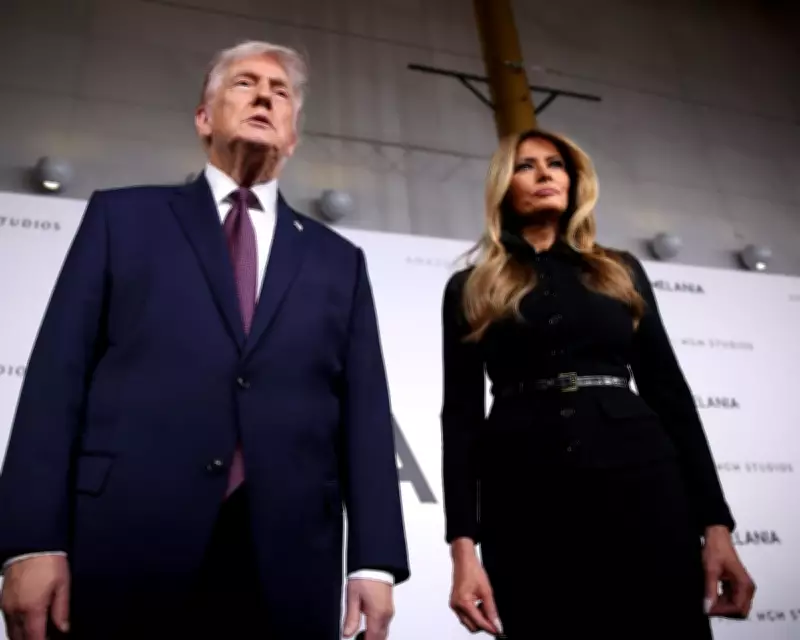
The gulf between professional critics and general audiences has never been more pronounced, as evidenced by the stark contrast in Rotten Tomatoes scores for the Melania Trump documentary. Critics have delivered a scathing 11% rating on the aggregator site, while verified ticket buyers have lavished it with a near-perfect 98% score. This 87% disparity sets a new record, surpassing previous gaps and igniting discussions about whether this reflects coordinated activism or the politically charged nature of our times.
A Deep Dive into the Disparity
If you feel like you're inhabiting a different reality from others, a glance at the Melania documentary's Rotten Tomatoes page might explain why. The official score, compiled from published reviews by professional critics, stands at a minuscule 11%. In stark contrast, the audience rating, based on input from the general public, soars to an incredible 98%. It's worth noting that this high score is confined to "verified ticket buyers," with the "All Audience" section showing more mixed reactions.
While a chasm between public and critical opinion is nothing new—evidenced by last year's Oscar-winning indie film versus the blockbuster Minecraft movie—the extreme divergence here is jarring. Critics like Mark Kermode have labeled it "the most depressing experience I have ever had in the cinema," while public reviewers praise it as a must-see for "every red blooded American." This raises questions: are liberal critics seizing an opportunity to critique an unpopular president through his wife's project, or are public reviewers flooding the site with fake reviews to silence dissent?

Historical Context and Record-Breaking Gaps
With its 87% gap, Melania now holds the title for the largest disparity between critical and popular scores in history. This dethrones Five Nights at Freddy's 2, which previously led with a 68% gap (16% from critics, 84% from audiences). According to research by digital entertainment platform JB.com, earlier record-holders include 2024's Emilia Pérez, which had a 53% gap despite critical acclaim, and other films like Red Notice and Jigsaw, which scored much higher with audiences than critics.
These patterns reveal two key biases. Films that resonate with audiences, such as Red Notice and Jigsaw, tend to be formulaic crowd-pleasers—familiar and unchallenging, qualities often dismissed by critics who seek novelty. Conversely, films like Emilia Pérez and Under the Skin, which feature female leads, often face lower public scores, hinting at ideological motivations. Past examples include review-bombed movies like Captain Marvel and The Little Mermaid, suggesting that public reviews can be swayed by factors beyond cinematic merit.
The Growing Divide and Future Implications
Both scores should be taken with a grain of salt. Critics may lean highbrow, undervaluing audience-friendly fare, while online reviewers can be unpredictable. However, the gap is undeniably widening year by year, from Emilia Pérez's 53% in 2024 to Five Nights at Freddy's 2's 68% in 2025, and now Melania's 87%. It's hard to imagine this record being surpassed, but history shows that contentious subjects can fuel even greater divides.
Perhaps a future film by a polarizing figure, tackling a sensitive topic, could top this. Imagine a project like Mel Gibson's The Resurrection of the Christ sparking endless debates. For now, Melania's record gap serves as a potent symbol of our fragmented cultural landscape, where film reception is increasingly shaped by politics and ideology rather than pure artistry.