The Rise of Neo-Rural Cinema in Europe
European cinema is witnessing a compelling new movement: neo-rural films that delve into the authentic conflicts and tensions of contemporary countryside life. This genre moves decisively beyond the traditional folk-horror tropes of sinister locals and instead focuses on the real-world collisions between tradition and modernity in rural communities.
'The Shepherd and the Bear': A Case Study in Rural Realism
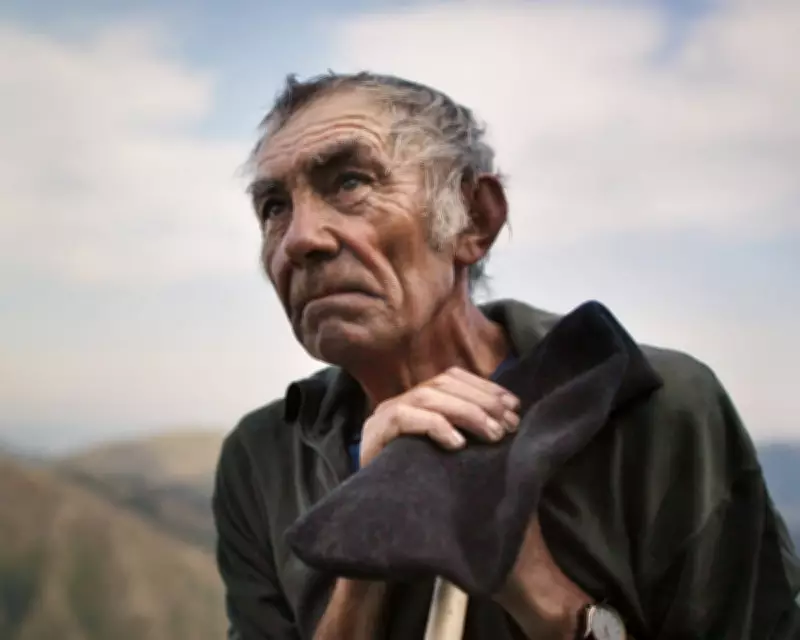
Max Keegan's documentary The Shepherd and the Bear exemplifies this trend with its highly cinematic portrayal of the Pyrenees conflict sparked by brown bear reintroduction. The film opens with a haunting, almost Wagnerian scene: a pitch-black mountainside, illuminated by lightning, as shepherd Yves confronts a mass sheep exodus, whispering, "Are those eyes?" This moment captures the film's essence—nature itself as the primary source of fear and conflict, not the rural inhabitants.
Unlike past rural cinema, which often othered country folk—from Deliverance's vicious hicks to The Wicker Man's wily pagans—this new school aligns with local perspectives. Keegan's work taps into shepherds' deep knowledge, revealing that the true terror lies in environmental and policy clashes, not in caricatured villagers.

Exploring Conflicts Across the European Countryside
The neo-rural wave extends across Europe, highlighting diverse rural struggles:
- The Beasts (2022): A Spanish crime thriller where a windfarm veto by French newcomers triggers violence in Galicia.
- Alcarrás (2022): A delicate drama set in Catalonia, where peach groves face uprooting for solar panels.
- The Eight Mountains (2022): An epic tale of a prodigal son's return to Italy's Aosta valley, quietly examining the town-country divide.
- Holy Cow (2023): A tearaway cheese-making drama directed by Louise Courvoisier, who splits her time between film-making and working on her family's Jura farm.
These films often focus on the phenomenon of les néoruraux—urbanites returning to the land—which has sharpened cinema's familiarity with rural concerns. Directors like Francis Lee (God's Own Country) and Grímur Hákonarson (Rams) bring personal or deeply researched insights, avoiding the outsider perspective that once dominated rural portrayals.
From Miserabilism to Artisanal Reverence
While earlier decades produced earthy rural films like Peter Hall's Akenfield or Béla Tarr's Sátántangó, the recent flurry is marked by an artisanal reverence for rural producers. In the era of Vittles foodie culture, these films find heroism in supplying the horn of plenty—from Yves' herding in The Shepherd and the Bear to the quest for perfect comté in Holy Cow.
This contrasts with persistent folk-horror tropes in some quarters, such as the queer demonisation in Speak No Evil or Rory Kinnear's village freaks in Men. The documentary The Last Sacrifice attributes the UK's folk-horror glut to British insularity, whereas continental Europe's more pragmatic land relationship yields virtually no folk-horror, focusing instead on tangible tensions.
Violence and Pent-Up Passions in Rural Life
Neo-rural cinema does not shy away from the violence that can erupt from these conflicts. In The Beasts, enmity between locals and an idealistic newcomer escalates from tense domino games to sudden murder. In The Shepherd and the Bear, a bear is shot in a neighbouring region, met with dark approval from Yves and others.
These pent-up passions illustrate how country life can begat folk-horror, but by digging into raw reality, neo-rural films reveal deeper furrows of social and environmental strife. The Shepherd and the Bear is set for release in UK cinemas on 6 February, offering a poignant glimpse into this evolving cinematic landscape.