The Hunt for Gollum: A Step Too Far for Middle-earth?
As the film-makers behind the seemingly endless stream of Tolkien adaptations strive to extract every last narrative drop from Middle-earth, there is a growing risk of diluting the entire franchise into oblivion. The upcoming film, The Hunt for Gollum, directed by Andy Serkis and produced by Peter Jackson, exemplifies this trend, potentially stretching Tolkien's world thin like butter over too much bread.
Gandalf's New Role: From Wizard to Remote Manager
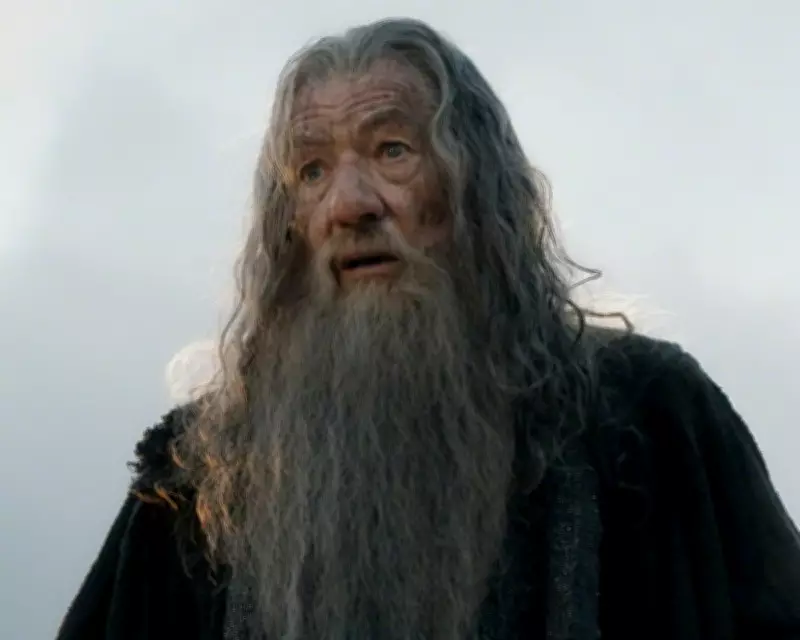
In his 80s, Ian McKellen has adopted a strategically sedentary approach for his portrayal of Gandalf the Grey in next year's Lord of the Rings sequel. According to McKellen, the script positions Gandalf as a wizardly mission controller, directing operations from the sidelines while Aragorn, played by Viggo Mortensen, takes charge of the quest to find Gollum. This shift reduces the once-mysterious wizard to Middle-earth's first remote operations manager, a far cry from his roaming, mythic origins.
McKellen explained to the Times, "The script is designed to appeal to people who like Lord of the Rings. It's an adventure story, Aragorn trying to find Gollum with Gandalf directing operations from the sidelines." This change reflects a broader Hollywood tendency to fill every narrative gap, even when Tolkien's original works left certain events elegantly undramatised.

Unpacking the Official Synopsis
A recent reveal from the Tolkien fan site TheOneRing.net provides an official synopsis for the film. It describes a story set between Bilbo's disappearance and the Fellowship's formation, focusing on young Sméagol's descent into Gollum. The synopsis hints at a Gollum biopic, exploring his backstory and untold truths, with new characters and returning heroes bridging the beloved films.
However, this expansion raises questions. Tolkien's books only briefly mentioned Sméagol as young, and his on-screen appearance was minimal. The film risks over-elaborating, potentially leading to a Sméagol Cinematic Universe with unnecessary spin-offs. As one critic noted, "By 2035, we may well be watching a six-part prestige drama on Now TV about the early economic conditions of the Gladden Fields."
The Dangers of Franchise Overextension
Hollywood's horror of empty space drives this trend, where every minor detail becomes fodder for feature films, streaming series, and podcasts. Tolkien's mythic histories, with their elliptical and expansive style, are being forced into a mold that prioritises dramatisation over subtlety. The creative team behind the Oscar-winning trilogy, including Serkis, Jackson, and writers Fran Walsh and Philippa Boyens, may be falling into a trap that could leave Middle-earth feeling scraped and stretched.
Recasting concerns add to the issue. Viggo Mortensen has indicated he would only return if Aragorn's age aligns with his own, complicating the timeline. Replacing multiple major characters could make the film resemble a Middle-earth tribute act, driven more by nostalgia than artistic necessity. The suspicion lingers that this is exactly what is happening, as the franchise seeks to keep the nostalgia mines operational at all costs.
In summary, The Hunt for Gollum represents a critical juncture for the Lord of the Rings franchise. While it aims to delve deeper into Tolkien's world, the risk of overextension looms large, threatening to undermine the very legacy it seeks to celebrate.