Wuthering Heights Casting Controversy: A Yorkshire Perspective
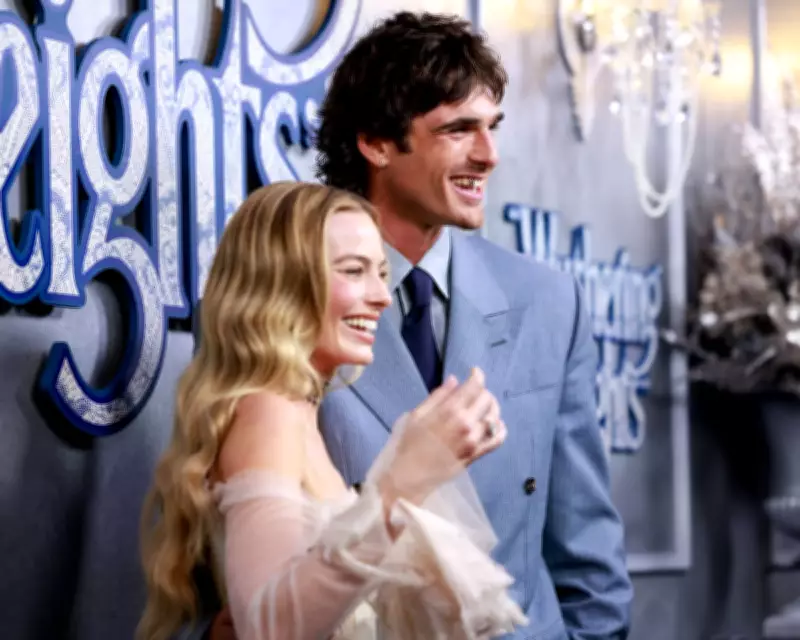
Emerald Fennell's upcoming adaptation of Wuthering Heights has ignited significant scrutiny over its casting decisions, particularly the choice of Australian actors Margot Robbie and Jacob Elordi for the lead roles of Cathy Earnshaw and Heathcliff. The film, which premiered in Australia on 12 February, features Robbie, aged 35, portraying a character two decades younger, and both stars hailing from Australia rather than Britain, let alone Yorkshire.
The Erosion of Regional Authenticity in Film Adaptations
Wuthering Heights, a globally revered novel by Emily Brontë, is intrinsically linked to the rugged and capricious landscape of the Yorkshire moors. Yet, across every major screen adaptation, from Merle Oberon in 1939 to Kaya Scodelario in 2011, not a single Cathy has been portrayed by a Yorkshire-born actress. This pattern persists in Fennell's version, where the sole Bradford-born actor, Jessica Knappett, is relegated to a supporting servant role as Mrs Burton.
Fennell has defended her casting as a "personal fantasy," but critics argue this overlooks the deeper issue of regional erasure. Amber Barry, a PhD researcher in Victorian literature at King's College London, notes, "The Yorkshire moors illuminate Cathy and Heathcliff's story within the context of working-class demonstrations at the time. Can we call this Wuthering Heights if such a crucial setting is reduced to a flat, vaguely gothic backdrop?"

Structural Biases and Northern Underrepresentation
As a Bradford-born actor, I have witnessed firsthand the barriers faced by northern talent in the arts. Casting choices like Fennell's perpetuate a system that undervalues northern women, often pigeonholing them into stereotypical or comedic roles rather than complex characters like Cathy. Research indicates that nearly a third of Bafta-nominated actors are privately educated, highlighting structural inequalities in training and access.
Bradford's socioeconomic context exacerbates this disparity. The district ranks as the 12th most deprived in England, with high rates of income deprivation, child poverty, and fuel poverty. Roles tied to Yorkshire, such as Cathy Earnshaw, could offer rare opportunities to challenge the marginalisation of northern actors and provide career-defining moments for underrepresented talent.
Industry Trends and Stereotypical Portrayals
Hollywood's emphasis on star power over geographic authenticity reflects broader industry biases. Women constitute only about 30% of UK film cast roles, with northern women disproportionately cast in limited, stereotypical parts. Northern accents are often coded as working-class in media, reinforcing prejudices and limiting aspirational portrayals.
A Channel 4 report found that northern accents were twice as likely to be associated with working-class characters and less likely to feature in advertisements for luxury goods. This undermines efforts to promote diversity and aspiration in representation.
The Personal Impact of Continued Underrepresentation
When Cathy declares, "I’m sure I should be myself were I once among the heather on those hills," she captures a truth that resonates deeply with those shaped by Yorkshire's landscape. The ongoing exclusion of regional actors from such iconic roles feels profoundly ostracising, denying them the chance to authentically represent their heritage on screen.
While star-driven casting may attract audiences and financing, there is ample room to platform emerging regional talent alongside established actors. Wuthering Heights is not an isolated issue but part of a broader pattern that constrains northern actors, particularly women, from breaking into mainstream roles. Addressing this requires a concerted effort to value geographic authenticity and diversify casting practices in the film industry.