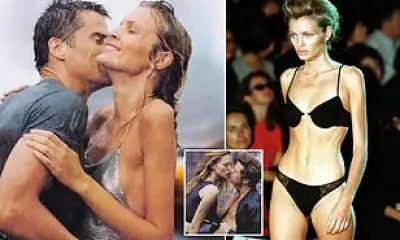
The contemporary image of a supermodel often conjures visions of green juices, sleek leggings, and polished pilates equipment. However, rewind several decades to the 1990s, and the portrait shifts dramatically. That era featured cigarette-wielding Kate Moss partying through the night, It-girl Naomi Campbell rarely photographed without champagne, and Linda Evangelista constantly immersed in the neon glow of nightclubs. While famously brutal—with a diet culture so strict it spawned the notorious slogan 'nothing tastes as good as skinny feels'—the 90s modelling world, according to industry veterans, appears less severe than today's 'boring and miserable' catwalk lifestyle.
A Party Era Versus Modern Gloom
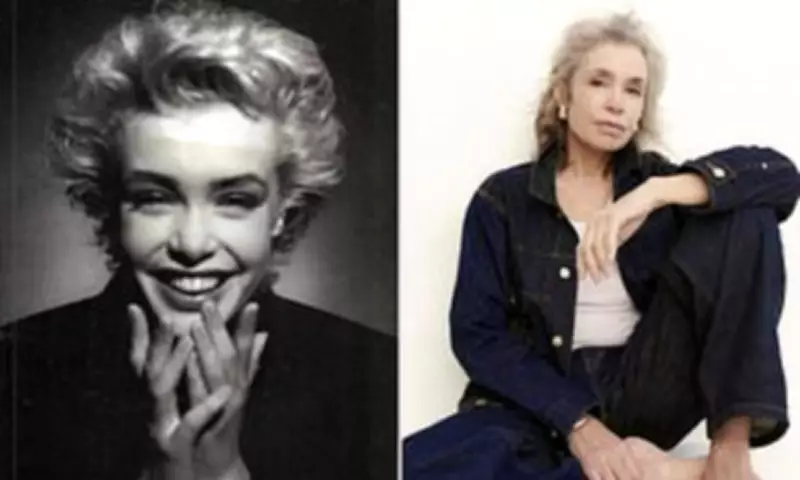
Speaking exclusively to the Daily Mail, 90s model Mickey Monroe, who was represented by the legendary Storm Management at its inception, acknowledged the era's flaws, including a well-documented culture of drinking and drugs. Yet, she contends that today's models seem not only unhappier but also less healthy than their predecessors. Glasgow-born Mickey, now 57, moved to London at age 17, launching what she describes as 'one big party' era. With her signature bleached-blonde haircut, she graced the covers of Honey, Blitz, and i-D magazines before retiring at 25 to enter the fashion world, eventually transitioning into the wellness industry.
Nostalgia for a Bygone Vibe
Mickey recalls the period fondly, stating, 'I often say to friends that we just didn't realise how good it was, how easy it was. There was no responsibility. You just kind of turned up, and it was all fabulous.' This sentiment is echoed by other industry veterans. Recently, Yasmin Le Bon observed that charisma has gradually vanished from catwalks, noting, 'When I first started, I'd be stopping and talking to the audience, twirling around, taking off my jacket, and showing how clothes moved, but also laughing and enjoying myself. Now they can be very serious; the models walk fast and look straight ahead and don't smile.'

Mickey emphasises that nightly outings were essential in the 90s due to a lack of modern distractions like Netflix or smartphones. 'There wasn't another kind of distraction. There was only going out and meeting people,' she explained. Reflecting on venues like bars on King's Road, she added, 'It was still a really cool place to be. You'd just go down there every night, and it'd be full of all the models, hairdressers, and people like that.'
The Shift from Hedonism to Curated Images
While the 90s are often associated with hedonism, Mickey stresses it was more about a laissez-faire mindset. 'Back in the day, you went out. You wore what you wanted, you were your own person. People were dancing on tables, having a great time. You didn't think about it.' In contrast, she believes modern models are too focused on presenting a curated, glossy image devoid of individuality. 'They're all so moody,' Mickey remarked. 'This Fashion Month, I just thought, oh my god, if I see another one stomping down the catwalk with that ridiculous walk. It feels quite robotic now. I can hardly tell the models apart.'
Wellness Trends Versus Authentic Fun
Today, Mickey notes a pressure for models to be seen in sporty gear rather than enjoying nightlife, something she 'wouldn't dream' of doing even as a yoga teacher. The average supermodel routine now heavily emphasises wellness trends, such as high-intensity workouts, infrared sauna sessions, and specialised diets—a stark contrast to Kate Moss's infamous ability to 'drink all night' and sleep in her makeup. 'People didn't walk around in the 80s and 90s in gym clothes. That just wasn't cool,' Mickey asserted.
She argues that this curated narrative lacks the anti-establishment edge of the past, making modern models less charismatic. 'Because models and influencers seem so glum these days, they don't spark a charisma. Sometimes I look at them and think—who would want to go on a night out with you?'

Diet Culture and Body Image Pressures
Mickey acknowledges that diet culture has always existed in modelling, recalling agencies instructing models to 'stop eating now' before shows. However, she believes the pressure has intensified, with today's standards appearing 'a lot thinner' and exacerbated by trends like Ozempic. 'I think that the standard definitely appears to be a lot thinner. And being so, so, so miserable... that vibe translates,' she said.
Positive Changes Amid Concerns
Despite her criticisms, Mickey recognises improvements in the industry, such as reduced prevalence of the 'casting couch' due to movements like Me Too and enhanced diversity in backgrounds, body types, and faces, which she says has 'improved 100 per cent.' As an older model with the agency Mrs Robinson, she also challenges stereotypes about women in their 50s, advocating for more representation of 'cool older women' who remain vibrant and active.
Now running her wellness brand, Active Panda, Mickey views wellness as rooted in 'counterculture' rather than mere trendiness. Through yoga classes and personal coaching, she promotes a balanced approach, yet laments the loss of the joyful, dance-filled culture that defined her modelling heyday. 'Back then, everybody just wanted to dance and have a great time. And now, do people even dance? It's not the same,' she concluded, highlighting a fundamental shift in the industry's spirit.