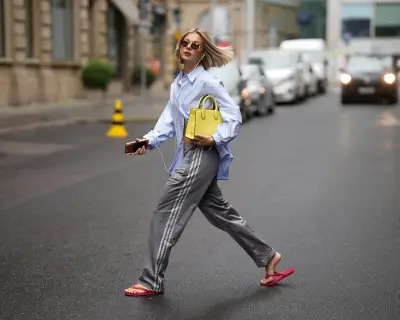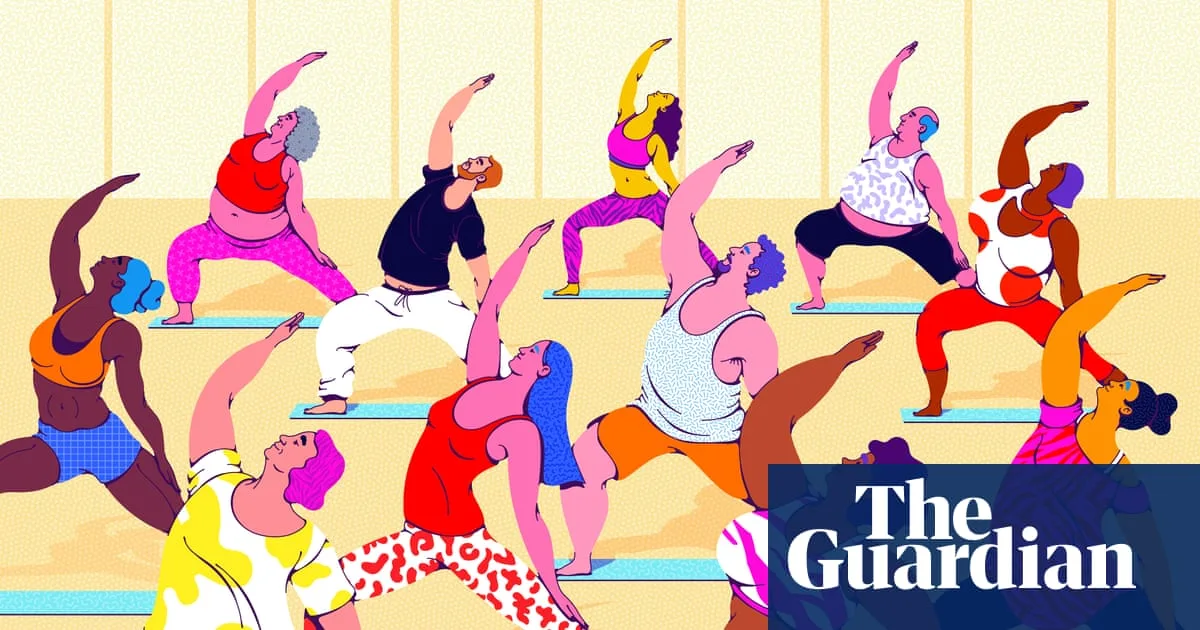
The generational divide in gymwear, as portrayed on social media, suggests millennials favour skintight outfits while Gen Z opts for baggy styles. However, the reality is more nuanced, with many individuals defying these stereotypes.
Kelechi Okafor, a 38-year-old fitness professional, now wears baggy joggers and tops, contrary to the millennial tight-outfit stereotype. She cites ill-fitting tailoring for her body size as a reason for the switch. Michelle Carroll, a 29-year-old body image coach, observes that younger gym-goers in Edinburgh wear brighter, shorter, and tighter clothes, influenced by online fitness culture.
Lauren Crowder of ELEVEN:ELEVEN Studios in Liverpool notes that clients in their 20s and early 30s embrace matching activewear sets from brands like Adanola, Bo+Tee, and Gymshark, while those in their late 30s and older prefer a more relaxed fit. Georgie Burke of Barre Fitness Studio in Bristol describes a similar pattern, with younger clients favouring the 'Adanola aesthetic' of plain colours and tight tops.

In Canada, Professor Samantha Brennan observes young women wearing matching workout sets, which she sees as outfits specifically bought for the gym, contrasting with older exercisers who view the gym as a break from fashion. The gym's role as a social and dating venue—dubbed 'the new club' by Gen Z—drives this attention to gymwear.
Newer brands like Literary Sport and Everybody.World are popularising looser fits, while established brands like Lululemon now offer baggier styles, albeit at higher prices aimed at older consumers. Meanwhile, Sweaty Betty promotes tighter, skimpier clothes with its 'Wear the damn shorts' campaign.