Smart is the New Hot: How Pop Culture Embraces Intellect Amid Anti-Intellectualism
We are living in a period of pronounced political anti-intellectualism, where expertise is often dismissed as elitism and facts are sidelined. Yet, in a fascinating twist, pop culture is moving in the opposite direction, making clever the new cool. At the very moment when rambling speeches and meme-fied inanity threaten to overwhelm public discourse, fashion, music, and film are elevating intellect and glamour.
The Rise of Intellectual Glamour
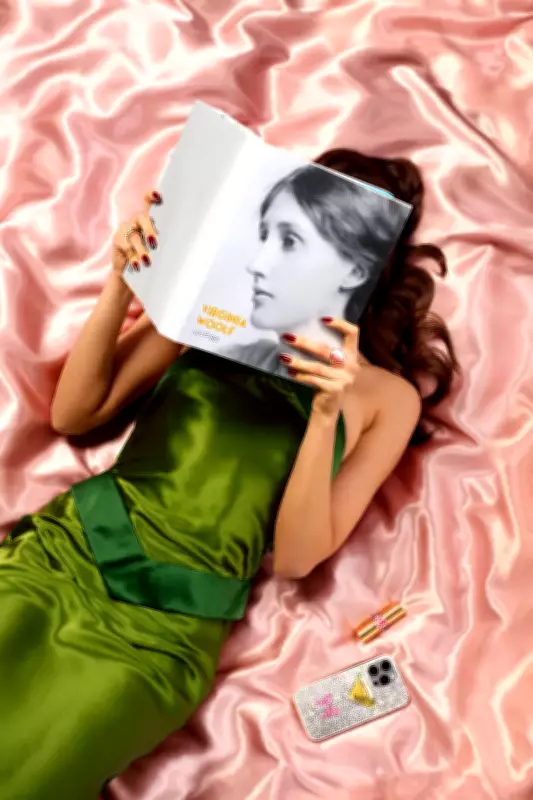
Pop stars are launching book clubs, such as Dua Lipa's online literary salon Service95, or joining platforms like Substack to publish essays. Supermodel Kaia Gerber, for instance, spends her backstage time reading authors like Didion and Camus rather than fashion magazines. This trend signals a shift where intellect and glamour, once separated in pop culture, are now flirting intensely.
Trend forecaster Lucie Greene notes that this is a real backlash against visually focused lifestyle content. "Gen Z want more. They want knowledge. They want to go deep down the rabbit hole, on podcasts and on Reddit as well as on TikTok and YouTube," she says. This desire for depth is reshaping how we perceive coolness, with reading and thinking becoming sexy again.

Fashion and Film Lead the Charge
In fashion, designers are casting intellectuals like author Zadie Smith and poet Barbara Chase-Riboud for advertising campaigns, blending brains with beauty. Meanwhile, Hollywood is betting big on adaptations of classic literature, such as Wuthering Heights and Pride and Prejudice, reflecting a renewed interest in structured, thoughtful narratives.
The trend gained momentum with figures like Kim Kardashian, who embarked on legal studies, showing that intellectual seriousness could be folded into celebrity appeal. Paparazzi shots of models and actors reading, such as Emily Ratajkowski with Joan Didion, have gone viral, with their book choices scrutinised as closely as their outfits.
Challenging the Beauty-Brains Binary
This movement challenges the age-old patriarchy that cast brains and beauty as opposing traits. "Intelligence is newsworthy in attractive women, because brains and beauty have for so long been cast as opposing traits," the article notes. By refusing to dim one quality to legitimise another, figures like Ratajkowski and FKA twigs are quietly radical, demanding intellect as a civic right.
However, scepticism persists when fashion and glamour are linked to thought. Yet, as Dua Lipa's insightful author interviews demonstrate, pop culture can engage deeply with intellectual themes, debunking the myth that celebrities are inherently shallow.
The Role of Social Media and Commerce
Social media platforms like BookTok on TikTok have turned reading into a communal activity, where users recommend novels and discuss themes passionately. This has helped drive sales of literary fiction and classics among younger readers, with booksellers noting that covers and social signals matter as much as content.
The publishing industry has capitalised on this, inviting celebrities like Sarah Jessica Parker to judge literary prizes and leveraging fashion collaborations, such as Dior's book-themed handbags. While this commercialisation raises concerns about pricing intellectual aspiration, it also highlights books as aesthetic objects with enduring status.
Navigating a Dumbed-Down World
Amid declining reading rates and a coarsening political discourse, this cultural shift offers a refuge. "In a fractious and even dangerous world, reading, quoting and learning are ways to signal seriousness and curiosity without inviting backlash," the article explains. For Gen Z, who are paradoxically engaged yet disengaged, intellect provides a way to make sense of rapid change, akin to Victorians turning to ancient history.
Ultimately, in a dumbed-down era, thought has scarcity value, making knowledge the new luxury. As Greene summarises, "Being smart is sexy now. Not only the kind of sexy that makes people fancy you, but the kind of sexy that generates discourse." This trend underscores a broader cultural yearning for depth and meaning in an age of surface-level content.