ABC's Provocative Satire Show 'Always Was Tonight' Divides Viewers Over Australia Day Content
A new satirical television program broadcast by the Australian Broadcasting Corporation has ignited a fierce national debate, with viewers deeply divided over its provocative content targeting Australia Day celebrations and colonial history.
Controversial Premiere and Content
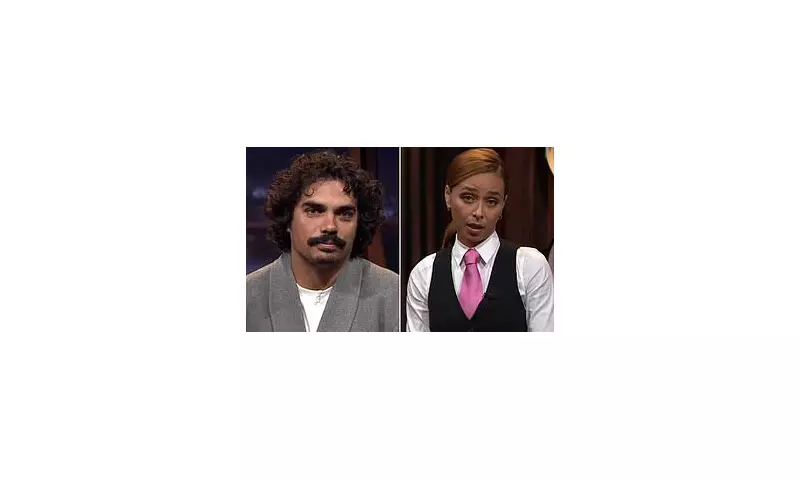
Always Was Tonight, which premiered on Wednesday evening on the national broadcaster, promised to 'go where no other news show dares' in the lead-up to Australia Day. The thirty-minute special, described as 'fast, funny and unflinching', was filmed before a live studio audience and hosted by Indigenous media personality Tony Armstrong.
Armstrong opened the program with a bold statement, declaring it an honour to be 'the first black face fronting a comedy show on the ABC since Chris Lilley'. He immediately set the tone with the provocative declaration: 'Tonight, we're giving the colony a colonoscopy. This show is black, it's cracked and it wants its land back.'

Segments and Guest Appearances
The program featured several segments that directly targeted prominent Australian figures and institutions:
- Brooke Blurton, Indigenous Australian model and former Bachelorette star, presented 'Past, Present and Emerging News', introducing herself as 'Australia's second favourite Aboriginal newsreader whose first name is also Brooke' in a clear reference to former Today show host Brooke Boney
- Blurton's segment humorously targeted billionaire mining magnate Gina Rinehart, furniture giant Ikea, Prime Minister Anthony Albanese, new One Nation recruit Barnaby Joyce, and independent federal MP Bob Katter
- The program also delivered sharp criticism towards rival television networks Seven and Sky News
- In a segment titled 'Captain Cooks', Armstrong seared steaks while suggesting Australia Day barbecues would be 'ruined' if conversations turned to the topic of genocide
Serious Undertones and Social Commentary
Despite its comedic framing, the program concluded with serious social commentary addressing critical Indigenous issues. Armstrong highlighted Australia's young age of criminal responsibility and what he described as a 'crackdown on black kids'.
'On an average night in Australia, fifteen Indigenous kids under the age of thirteen will be incarcerated,' Armstrong told the audience. 'Our government thinks these kids are too young and vulnerable to use a TikTok account, but we're comfortable shoving them in prison. I'd tell you more, but that might ruin the barbecue.'
In his closing remarks, Armstrong promised the show would return next year unless the ABC was 'racist or something', while deliberately avoiding what he called 'a big viral speech' about January 26, stating viewers already understood the issues.
Divided Viewer Response and Backlash
The program immediately sparked intense reactions across the political spectrum, with prominent conservative commentator Andrew Bolt leading the criticism. Bolt accused the ABC of promoting tribalism and failing to learn from recent national tragedies.
'Are we all now reduced to racial stereotypes?' Bolt wrote. 'I just really wonder if this is what we need after the Bondi horror. A show that reduces Australians to racial stereotypes, divides them into tribes and then sneers at one of the most free and rich nations in history.'
Other viewers expressed similar outrage on social media platforms:
- 'More Hate Speech from the ABC. And as per the ABC... just plain Woke Boredom. Why do we pay $1.2 billion dollars for these pathetic losers?'
- 'Tony Armstrong get over yourself. What a hypocrite as a footballer you have had a great opportunity and made lots of money to live well so what's your problem stop dividing our country?'
- 'Has Tony Armstrong been groomed for political activism by the ABC?'
Support and Defence of the Program
Despite the backlash, numerous viewers came to the program's defence, praising its approach and content. Supporters highlighted the show's blend of humour with serious social commentary.

'It's a winner. Reminded me of Babakiueria. We need more Blaklash in this country,' one viewer commented, referencing the 1986 Australian satirical film about Indigenous issues.
Another supporter wrote: 'I really enjoyed the first episode. Humour mixed with serious messages was really good. Good luck with the rest of the series.'
The program's creators and supporters argue that satire serves as a legitimate vehicle for addressing complex historical and social issues, particularly surrounding Australia Day and Indigenous perspectives. Critics maintain that such approaches unnecessarily divide the nation and promote identity politics at a sensitive time.