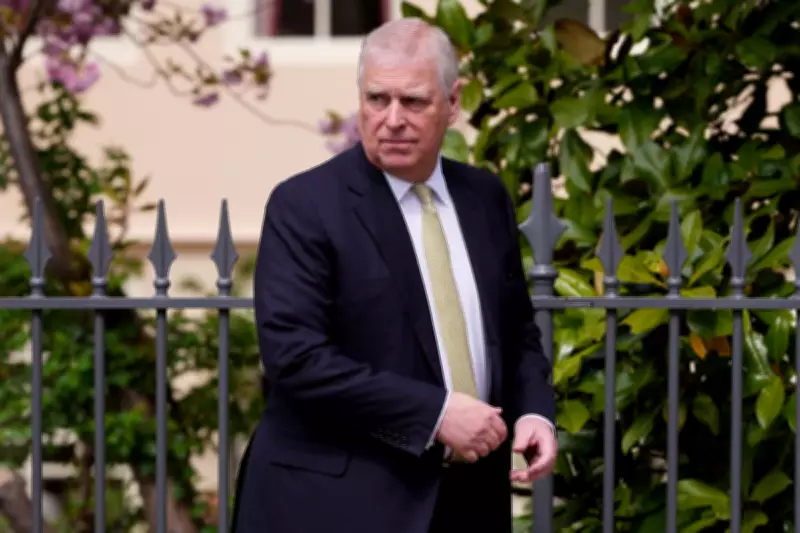
Canadian Prime Minister Mark Carney has made a significant intervention in royal affairs, calling for Andrew Mountbatten-Windsor to be removed from the line of succession to the British throne. Carney described the actions of the King's younger brother as deplorable and stated that they necessitate his exclusion from the royal succession order.
Carney's Strong Stance on Royal Principles
Speaking to reporters during an official visit to Tokyo, Prime Minister Carney emphasised that the actions which led to Andrew being stripped of his royal titles in October should also result in his removal from the line of succession. Despite Andrew Mountbatten-Windsor being eighth in line to become monarch, Carney argued that the point of principle stands firm and must be addressed through proper constitutional processes.
The Current Royal Succession Landscape
King Charles III, who serves as Canada's head of state within the Commonwealth framework, has seen his brother remain in the succession line despite losing his prince status. This controversial situation stems from Andrew's close associations with the late convicted sex offender Jeffrey Epstein, which have sparked widespread criticism and damaged the monarchy's reputation.

The prime minister, who previously served as Governor of the Bank of England, acknowledged that Andrew Mountbatten-Windsor is well down the succession order but maintained that this does not diminish the importance of addressing the matter properly. Carney highlighted that established procedures exist for removing individuals from the line of succession and that these should be followed to maintain constitutional integrity.
Succession Order and Constitutional Implications
Under the current royal succession arrangement, Prince William stands as the direct heir to the throne, followed by his three children: Prince George, Princess Charlotte, and Prince Louis. This places Andrew Mountbatten-Windsor in a relatively distant position, yet his continued presence in the succession line remains a contentious issue that intersects with Canada's constitutional monarchy status.
Carney's comments represent a notable development in how Commonwealth nations engage with royal matters, particularly concerning members whose actions have attracted significant controversy. The prime minister's stance underscores ongoing debates about accountability within royal institutions and how constitutional monarchies address misconduct among senior members.