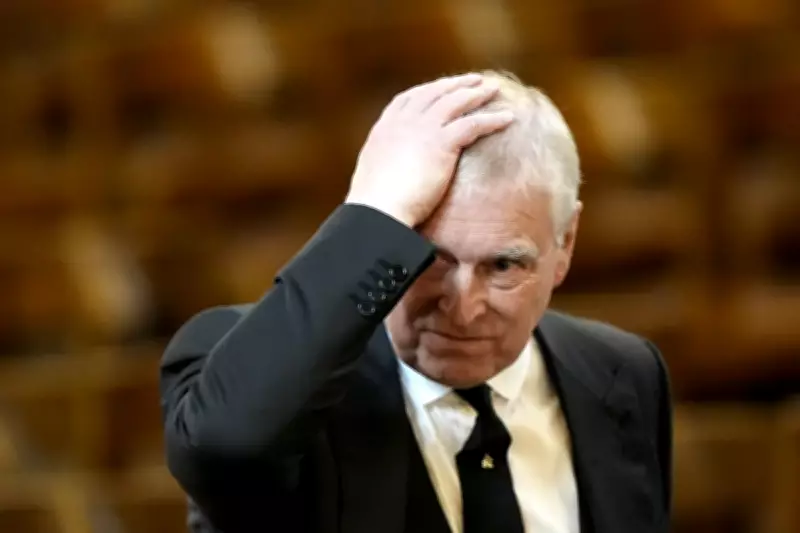
Monarchy Faces Unprecedented Crisis as Andrew Mountbatten-Windsor Arrested
The arrest of Andrew Mountbatten-Windsor on suspicion of misconduct in public office has sent shockwaves through the British monarchy, with King Charles and Prince William now under intense pressure to take decisive action. This seismic event, occurring on Thursday, has raised profound questions about the institution's future and its ability to maintain public trust in the modern era.
A Royal Family at a Crossroads
While Andrew Mountbatten-Windsor may be considered a peripheral figure within the royal family, his arrest carries significant implications for the entire House of Windsor. The monarchy cannot rely on historical deference or divine right to sustain its position; it must continually earn public support through exemplary conduct and transparency. The current crisis represents perhaps the most serious challenge to royal legitimacy since the death of Diana, Princess of Wales in 1997.
The Epstein scandal has already inflicted grievous damage to the royal family's prestige, beginning with Andrew's disastrous 2019 BBC Newsnight interview. His unconvincing explanations and questionable assertions only deepened public skepticism. Now, with millions of Epstein files continuing to surface, there may be further revelations that could further destabilize the institution.

Constitutional Implications and Public Accountability
Prime Minister Rishi Sunak has rightly emphasized that no one should be above the law, a principle that King Charles has respected by receiving no special notice of his brother's impending arrest. The monarch has followed proper constitutional protocol, promising to support a "full, fair and proper process" while stripping Andrew of all remaining titles, honors, and royal status.
This decisive action, though arguably overdue, demonstrates the King's commitment to putting duty before family. However, much more remains to be done. The royal family must address longstanding concerns about their finances, tax affairs, and the size of "the Firm" - issues that have been highlighted anew by this scandal.
The Path Forward for the Monarchy
King Charles and Prince William now face critical tasks that will determine the monarchy's future stability:
- Applying pressure on Andrew Mountbatten-Windsor to fully cooperate with the US congressional investigation into Jeffrey Epstein
- Ensuring complete transparency with British police regarding individuals who entered the UK on Epstein's private jet
- Issuing a more convincing apology to Epstein's victims
- Implementing meaningful reforms to prevent similar situations from occurring
- Keeping Andrew completely separated from all royal duties and public engagements
The monarchy has survived numerous crises throughout its long history - from beheadings and abdications to temporary abolition and restoration. Yet each monarch faces unique challenges, and King Charles must navigate this particularly treacherous period with wisdom and resolve.
As Queen Elizabeth noted in 1997, a hereditary monarchy can only exist in the modern era with the "support and consent of the people." This consent must never be taken for granted. The royal family's charitable work and public appearances provide valuable service, but these contributions cannot excuse entitlement or improper behavior.
If King Charles successfully implements necessary reforms and demonstrates clear leadership during this crisis, he may ultimately strengthen the institution he inherited just over three tumultuous years ago. The coming months will test whether the monarchy can adapt to contemporary standards of accountability while maintaining its constitutional role.