New Zealand Joins Australia in Supporting Removal of Andrew Mountbatten-Windsor from Royal Succession
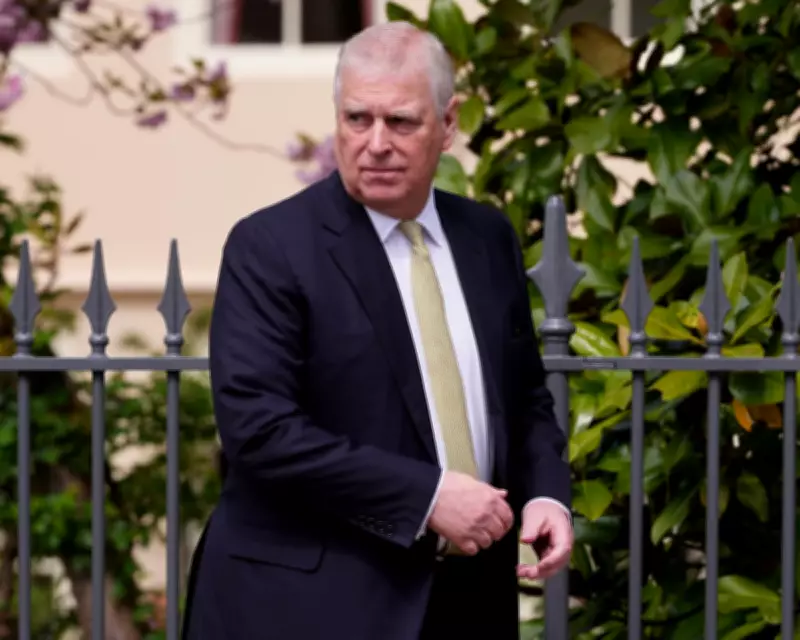
New Zealand has become the second Commonwealth nation to publicly endorse the removal of Andrew Mountbatten-Windsor from the royal line of succession, following his arrest on suspicion of misconduct in public office. This development marks a significant shift in international royal affairs, as countries where King Charles III is head of state weigh in on the controversy.
Government Statements and Diplomatic Moves
A spokesperson for New Zealand Prime Minister Christopher Luxon stated on Tuesday that if the UK government proposes to remove Andrew Mountbatten-Windsor from the order of succession, New Zealand would support it. Luxon later elaborated to the media, emphasizing that no one is above the law and that his government has been in contact with the UK Cabinet Office. He highlighted that once the police investigation is concluded, should the UK decide to act, New Zealand would back the move.
This announcement comes after Australian Prime Minister Anthony Albanese confirmed in a letter to British counterpart Keir Starmer on Monday that Australia would also support the former prince's removal from the line of succession. Albanese described the allegations against Mountbatten-Windsor as "really serious" and noted a "quite a fall from grace." He added that Australians do not want him involved in royal matters.

Background and Royal Implications
Andrew Mountbatten-Windsor, eighth in line to the throne behind Princes William and Harry and their children, relinquished his royal titles in October after new information emerged about his connections to Jeffrey Epstein, the late financier and convicted child sex offender. Despite this, he remains a counsellor of state, a role that could theoretically allow him to stand in for King Charles during illness or absence, though in practice, only working royals are utilized.
The British government is preparing to consider legislation to strip Mountbatten-Windsor of his right to inherit the throne once the ongoing police investigation is finalized. Removing him from the line of succession would require an act of the UK parliament and the support of all 14 Commonwealth countries where Charles is head of state, including Australia, Canada, and New Zealand. Other Commonwealth nations have yet to declare their positions.
Arrest and Allegations
Mountbatten-Windsor's arrest on 19 February is believed to be the first instance in modern history where a member of the royal family has been detained by police. The allegations stem from documents released by the US justice department related to Epstein and his associations with influential figures. Emails appear to show Mountbatten-Windsor sharing reports of official visits to Hong Kong, Vietnam, and Singapore.
Mountbatten-Windsor has consistently denied any wrongdoing and has not been charged with any criminal offense to date. Buckingham Palace has indicated it would not obstruct plans to remove him from the royal line of succession, with King Charles stating after the arrest that "the law must take its course."
This situation underscores the growing scrutiny on royal conduct and the legal processes that govern succession, potentially setting a precedent for future cases involving members of the monarchy.