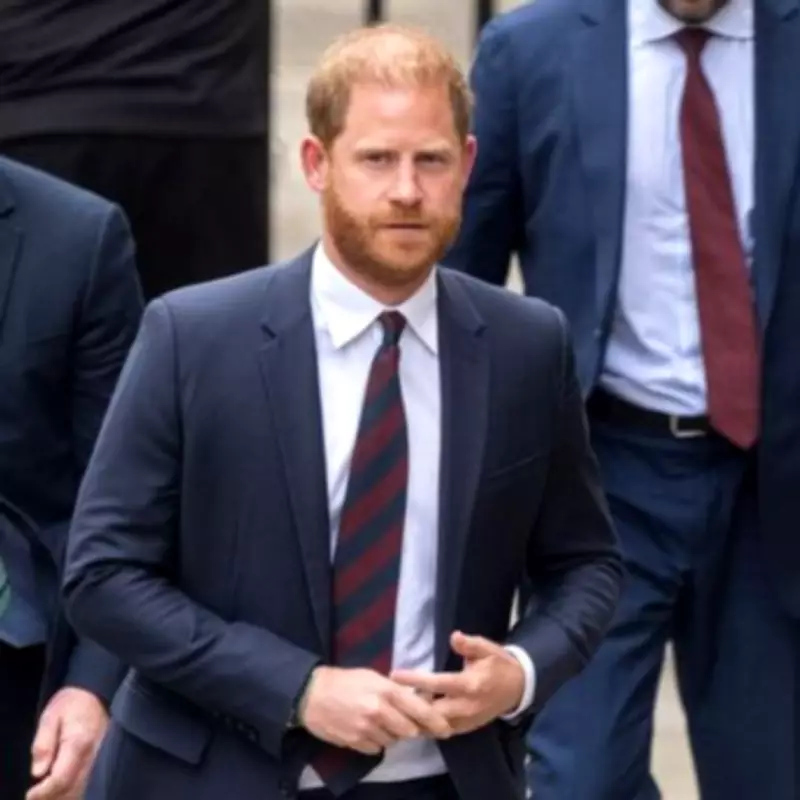
Prince Harry's ongoing battle to restore his taxpayer-funded security protection during visits to the United Kingdom has encountered a significant new obstacle. According to recent reports, a division has emerged within the Executive Committee for the Protection of Royalty and Public Figures (Ravec), the body responsible for making the final decision on his security arrangements.
Committee Split Over Security Decision
The Duke of Sussex, who lost his automatic police protection when he and his wife Meghan Markle stepped back from royal duties and relocated abroad, has been engaged in a prolonged legal and administrative struggle to reinstate that protection. Following his unsuccessful court challenge, Harry submitted a formal request to Home Secretary Shabana Mahmood shortly after her appointment, seeking a comprehensive risk assessment from Ravec.
While that assessment is currently underway, with earlier indications suggesting Harry was optimistic about a favourable outcome, new developments have cast doubt on the process. Sources indicate that senior civil servants from key government departments—including the Home Office, the Cabinet Office, and the Foreign Office—are now expressing opposition to granting the requested police protection.

Concerns Over Taxpayer Funding and Public Perception
The primary concern driving this opposition appears to be apprehension about potential public backlash. Committee members are reportedly nervous about how taxpayers might react to footing the bill for security arrangements for a royal family member who no longer performs official duties. "There is nervousness among certain members of the committee who fear a public backlash," a source revealed. "The political side believes there is too much political risk, while the police and security chiefs believe that he absolutely must have it due to the extant threat."
This internal conflict highlights the complex balancing act between security needs and public accountability. No final decision has been made, but the split within Ravec suggests Harry's bid faces substantial hurdles beyond mere security assessments.
Harry's Previous Arguments and Current Situation
During his High Court case, Prince Harry argued that inadequate security made it "impossible" to safely bring his wife Meghan and their children, Prince Archie and Princess Lilibet, to the United Kingdom. Following an unfavourable Court of Appeal judgment last May, he described the situation as a "good old-fashioned establishment stitch up" and told the BBC, "For the time being, it's impossible for me to take my family back to the UK safely."
He expressed profound sadness about being unable to show his children his homeland, stating, "I love my country I always have done, despite what some people in that country have done. So you know? I miss the UK, I miss parts of the UK. Of course I do. And I think that it's really quite sad that I won't be able to show my children my homeland."
Current Security Protocols and Recent Incidents
Under current arrangements, Prince Harry must notify the Metropolitan Police at least one month before any planned visit to the UK. His security needs are then evaluated on a case-by-case basis. However, his legal representatives have argued that this ad hoc approach puts his life "at stake," pointing to specific security incidents as evidence.
In October, it emerged that a known stalker came within yards of Harry during his September visit to the UK. The individual was reportedly discovered hiding in the toilets of an upscale London hotel just minutes before Harry's scheduled arrival at an event. This incident followed another encounter days later where the same woman was allegedly "body blocked" by Harry's security team.
A source close to the situation emphasized the seriousness of the threats, stating, "If you knew about the kind of threats Harry and his children have been getting, then you would understand why he doesn't want to bring the kids over until police protection is granted."

Government Position and Ongoing Assessment
The Home Office maintains its standard position regarding protective security arrangements. A spokesperson stated, "The UK government's protective security system is rigorous and proportionate. It is our long-standing policy not to provide detailed information on those arrangements, as doing so could compromise their integrity and affect individuals' security."
As Ravec continues its assessment amidst internal disagreements, Prince Harry's quest for restored security protection remains uncertain. The committee must weigh genuine security threats against political considerations and public sentiment, making this one of the most closely watched royal security decisions in recent years.