Prince William's Bafta Moment Breaks Tradition as Politics Intrudes on Awards
It was once an accepted fact that nothing political or controversial would be mentioned within spitting distance of a podium at award ceremonies. In recent weeks, however, that silent agreement has decisively ended, with Prince William's moment at the Baftas serving as a prime example of this cultural shift.
The End of Red Carpet Silence
The unwritten rule on a red carpet or a parti-coloured podium dictated that none of the victors, losers, judges, spouses, or hangers-on should utter anything about politics. This expectation created a vast lacuna where normal opinions should reside. For many years, this was no big deal—politics was considered 9-to-5 work, while sports and showbiz were weekend-casual pursuits, with no intersection anticipated.
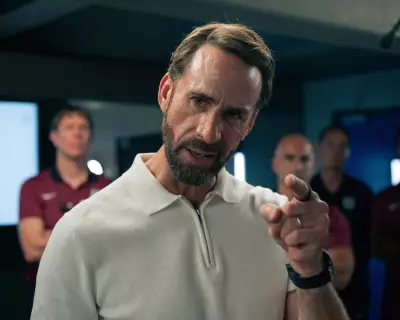
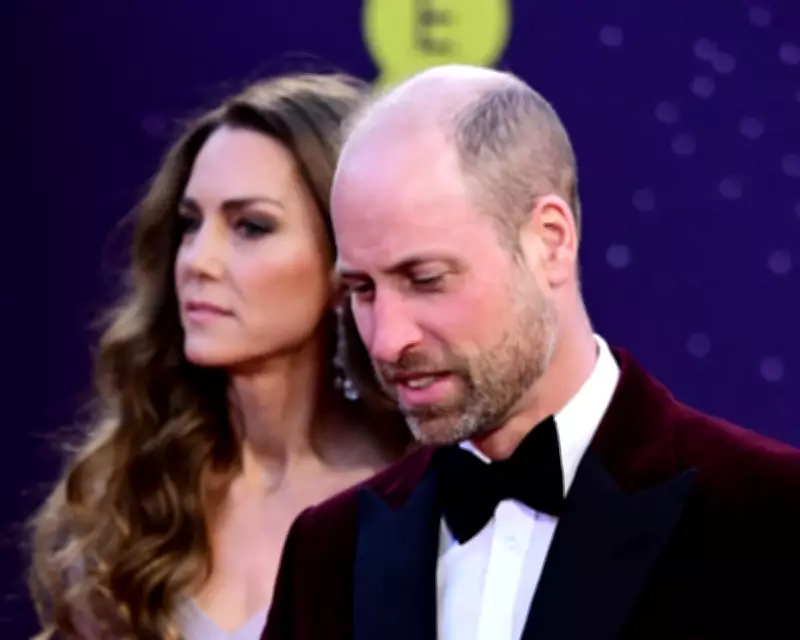
Fast forward to 2026, and the outside world intrudes on everything. At Sunday night's Bafta ceremony, Prince William, the president of Bafta, admitted he hadn't seen the winning film, Hamnet, explaining: "I need to be in quite a calm state and I am not at the moment. I will save it." This remark sparked speculation about his disquiet, possibly linked to the arrest of Andrew Mountbatten-Windsor or the rising swell of voices demanding accountability.

A Medium-Graceful Acknowledgment
On balance, William made the right call. As a member of a dynasty whose highest creed is ignoring things, he could have legitimately skipped many events. However, by acknowledging the elephant in the room with a medium-graceful statement, he broke the silence in a way that resonated. In the kingdom of the silent, the one-squeak man is king, and his vague yet pointed comment highlighted the pressures facing the monarchy.
This shift is not isolated to the Baftas. Earlier this month, the Grammys showcased how times have changed, with celebrities making overt statements in support of immigrants. What was once controversial, like Olivia Dean noting her grandparents were immigrants, has become entry-level activism. Billie Eilish's declaration that "nobody's illegal on stolen land" and Bad Bunny's call to "ICE out" demonstrated a new norm where political expression is expected and celebrated.
Olympic Rulebook and Modern Protests
Contrast this with the Olympic rulebook, specifically rule 50.2, which states: "No kind of demonstration or political, religious or racial propaganda is permitted in any Olympic sites, venues or other areas." This wording belongs to a simpler time, eliding demonstration with propaganda as if they were interchangeable. In 2026, accepting that protest is indivisible from propaganda would imply a world beyond right and wrong—a notion the Olympic committee seems to grapple with, having protest-banned Russia in four consecutive games.
Ukrainian skeleton athlete Vladyslav Heraskevych defied this rule twice, first with a photo of dead compatriots on his helmet and second with a sign reading: "No War in Ukraine." Despite the unpunishable nature of his actions, he was banned, overshadowed by the scandal of Norwegian biathlete Sturla Holm Lægreid cheating on his girlfriend. This highlighted how public attention often shifts from matters of global importance to personal dramas, leaving meaningful protests forgotten.
The New Normal in Awards Ceremonies
A handful of US athletes have also made statements decrying their government in delicate but unmistakable terms, further cementing this trend. The old curse has been updated: may you live in times when even your awards ceremonies are interesting. As Zoe Williams notes, the intrusion of politics into these events reflects a broader societal change where silence is no longer golden.
In conclusion, Prince William's Bafta moment symbolizes a break from tradition, where award ceremonies are no longer anodyne but platforms for political discourse. This evolution challenges past norms and invites a reevaluation of how public figures engage with contentious issues in the spotlight.