Prince William's 'Quiet Faith' Ignites Royal and Religious Debate
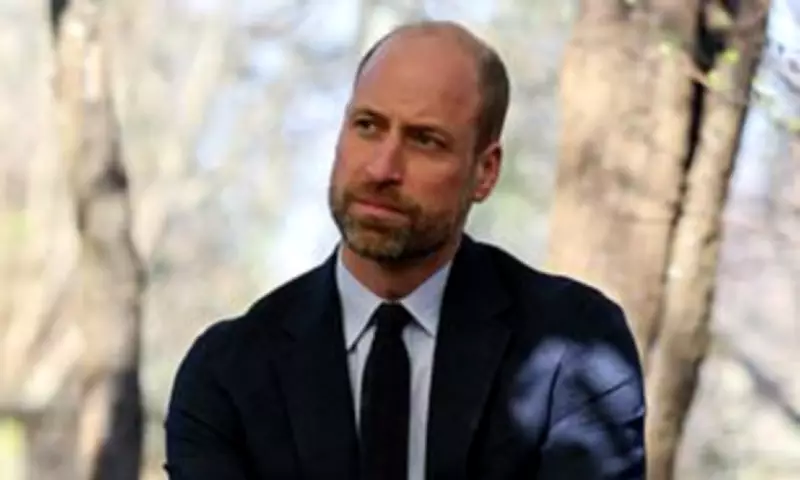
The future King of England, Prince William, has found himself at the centre of a heated controversy following revelations about his personal religious beliefs. A source close to the Prince confirmed that he holds a 'quiet faith' and a deep 'commitment to the Church of England', expressing a desire to forge 'a strong and meaningful bond with the Church and its leadership'. This disclosure has sparked widespread debate about the role of faith in the monarchy, particularly as Prince William is destined to become the Supreme Governor of the Church of England upon ascending the throne.
Critics Voice Disappointment Over Lack of Demonstration
Some critics have expressed significant disappointment at the heir to the throne's failure to adopt a more demonstrative or publicly visible approach to his faith. Right-wing broadcaster and Christian commentator Calvin Robinson was notably vocal, stating emphatically, 'Now is not the time for 'quiet faith'.' This sentiment reflects a broader concern among certain factions that the future head of the Church should exhibit a more overt and active religious presence, especially in an era of declining church attendance and shifting societal values.
Clergy Rally in Support of William's Personal Approach
In contrast, many members of the clergy have been quick to defend and support Prince William's reported stance. Conservative churchman the Reverend Marcus Walker offered a diplomatic perspective, remarking, 'God will find William by the time he is on the throne.' He elaborated to the Daily Mail, drawing a historical parallel: 'Elizabeth I said we should not make windows into men's souls, but wherever Prince William is on his journey, I'm sure God will find him.' Reverend Walker emphasised the delicacy of personal faith journeys, praising the Prince's honesty as a positive attribute. He added, 'He knows his duties and his responsibilities. Hopefully there's a long time before he is Supreme Governor of the Church of England.'

Timing Coincides with Historic Archbishop Installation
The revelation about Prince William's faith comes at a particularly significant moment, shortly before he is scheduled to attend the installation of Dame Sarah Mullally as the first female Archbishop of Canterbury this Wednesday. This historic event underscores the evolving nature of the Church of England and places additional scrutiny on the future king's relationship with its leadership. The source close to the Prince provided further insight to The Sunday Times, quoting William's perspective: 'His feeling is, 'I might not be at church every day but I believe in it. I want to support it and this is an important aspect of my role and the next role, and I will take it very seriously, in my own way'.'
Broader Implications for the Monarchy and Church
This debate touches on deeper questions about the intersection of personal belief and public duty within the British monarchy. As the institution navigates modern challenges, Prince William's approach to faith could set a precedent for how future sovereigns engage with the Church of England. The support from clergy suggests a willingness within the Church to accommodate diverse expressions of faith among its leaders, while criticism highlights ongoing expectations for traditional demonstrative religiosity. The coming years, leading up to William's eventual role as Supreme Governor, will likely see continued discussion and observation of how he balances his 'quiet faith' with the ceremonial and spiritual responsibilities of the crown.