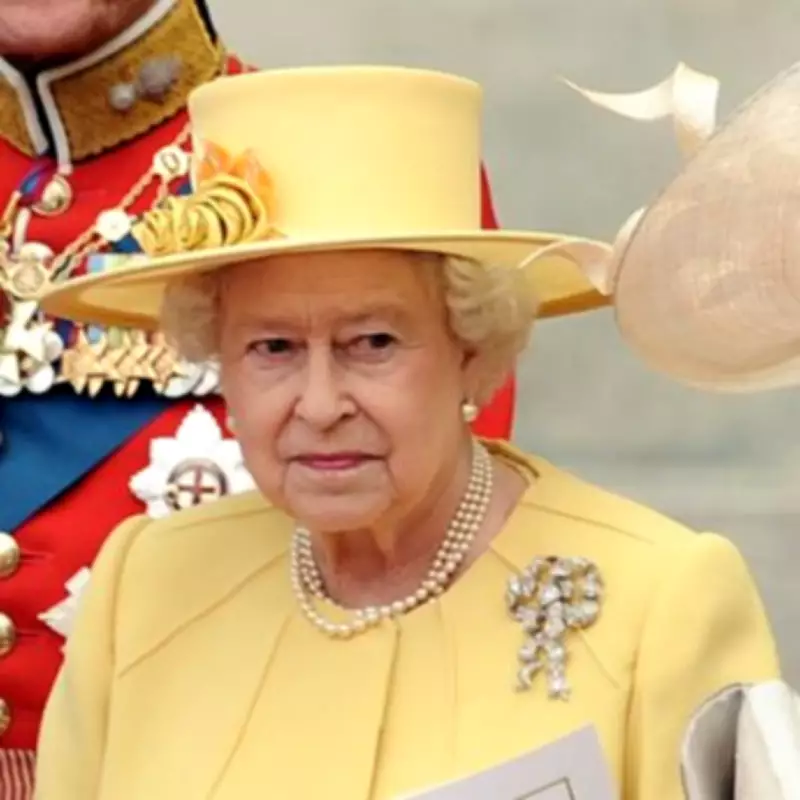
Queen Elizabeth II's Enduring Legacy: A Century of Service
As the nation prepares to mark the centenary of Queen Elizabeth II's birth on April 21, her remarkable 70-year reign continues to cast a long shadow over the British monarchy. In the four years since her passing on September 8, 2022, the royal family has navigated profound challenges, including King Charles and the Princess of Wales' cancer diagnoses, Prince Andrew's fall from grace, and the ongoing estrangement of the Sussexes. Despite these trials, the late Queen bequeathed a stable institution to her successor, King Charles, ensuring continuity amid turmoil.
The Quiet Authority That Defined an Era
Royal historian Tessa Dunlop highlights the Queen's "quiet authority" as her defining superpower, a trait that grew more potent with time. "Her 'never explain, never complain' approach resonated deeply in an increasingly noisy world," Dunlop explains. "She dedicated her entire life to service, embodying a generation that held unwavering faith in the monarchy. This commitment was not just ceremonial; it was a lifelong sacrifice that solidified her status as a national treasure."
From Unexpected Heir to Steadfast Monarch
Princess Elizabeth's ascent to the throne was unforeseen, triggered by her uncle Edward VIII's abdication in 1936. When she became Queen in 1952 at just 25 years old, following her father King George VI's death, she embraced her role with remarkable poise. Former royal butler Grant Harrold recalls, "She never felt the need to prove herself, balancing regal duties with a relatable normality. Whether engaging with world leaders or ordinary citizens, she treated everyone with equal respect and humour, fostering a unique connection with the public."

Navigating Crises and Preserving Unity
Despite her popularity, the Queen's reign faced significant upheavals, including the breakdown of her children's marriages in the 1990s and the public outcry after Princess Diana's death in 1997. Harrold notes, "There were moments when the monarchy teetered on the brink, but the Queen had an uncanny ability to mend fractures. She would host events at Buckingham Palace, miraculously reuniting the nation and restoring faith in the institution."
A Legacy Handed to the Next Generation
Upon her death, King Charles echoed his mother's vow of lifelong service, while Prince William pledged to honour her dedication. The current royals have upheld traditions like Trooping the Colour and state banquets, symbols of stability inherited from the Queen. They have also assumed key patronages, such as the Royal British Legion and the Royal Commonwealth Society, blending continuity with modern adaptations. Unlike the Queen's private health battles, King Charles and the Princess of Wales have openly discussed their cancer diagnoses, reflecting a shift towards transparency.
Modernising While Honouring the Past
The monarchy has embraced social media to enhance accessibility, yet the Queen's influence remains woven into its fabric. As the centenary celebrations unfold, her legacy endures—a testament to her skill in unifying the country and adapting the monarchy for the 21st century. Harrold concludes, "Her proudest achievement was sustaining the monarchy's relevance and popularity. That iconic, magical people power she possessed is a legacy we hope will endure for generations."