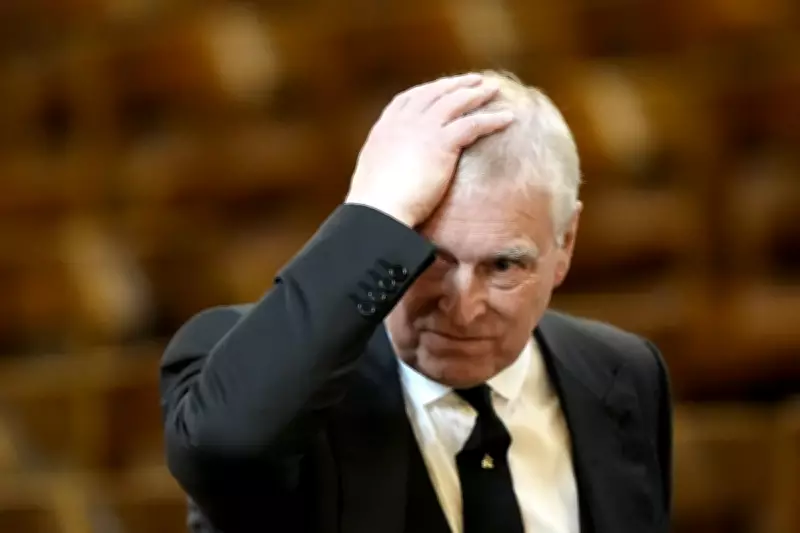
Andrew Mountbatten-Windsor, the Duke of York, could potentially be removed as eighth in line to the British throne, according to a royal expert, following his recent arrest on suspicion of misconduct in public office. The arrest occurred on Thursday, which coincided with his 66th birthday, and is linked to allegations involving files related to convicted child sex offender Jeffrey Epstein.
Current Line of Succession and Legal Framework
Despite the arrest and his prior relinquishment of royal titles, Andrew Mountbatten-Windsor retains his position as eighth in line to the throne. This is because removal from the succession is not automatic and requires the enactment of new legislation by Parliament. The current monarch is King Charles III, with the line of succession clearly defined under British law.
Key Figures in the Succession Order
Prince William, the Prince of Wales, holds the first position in line to the throne. He is followed by his three children: Prince George, Princess Charlotte, and Prince Louis. The 2013 Succession to the Crown Act plays a crucial role here, as it ensures that the eldest child inherits the throne regardless of gender. This provision places Princess Charlotte ahead of her younger brother Prince Louis in the succession order.

Further down the line, Prince Harry is fifth in line, succeeded by his children Archie and Lilibet Mountbatten-Windsor. Andrew Mountbatten-Windsor occupies the eighth position, a status that remains unchanged despite the ongoing legal and public scrutiny surrounding his case.
Implications of the Arrest and Future Possibilities
The arrest has sparked discussions about the potential for Andrew Mountbatten-Windsor to be stripped of his place in the line of succession. However, experts emphasize that any such change would necessitate a formal legislative process, which could involve political debate and royal assent. The monarchy's stability and the legal precedents set by the 2013 Act are key factors in this complex situation.
As the investigation unfolds, the public and royal watchers are closely monitoring developments, with many questioning how this might impact the broader royal family and the succession rules in the long term. The case highlights the intricate balance between tradition, law, and modern governance in the British monarchy.