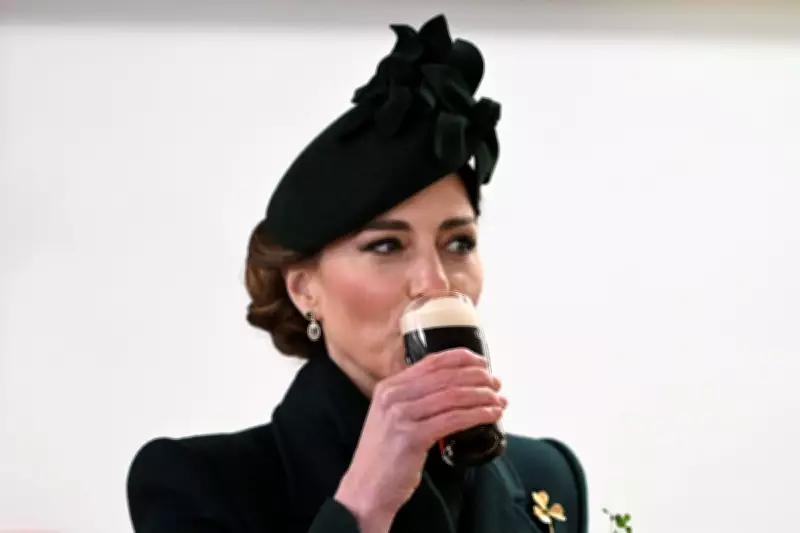
The global phenomenon of consuming alcohol on St. Patrick's Day, with Americans alone drinking 13 million pints of Guinness in some years, may have its roots in the saint's own final request. According to lore passed down through generations, St. Patrick asked those gathered at his deathbed on March 17, 461 AD, to toast his heavenly journey with a "wee drop of whiskey" to ease their pain.
From Religious Observance to Global Party
Originally established in the 17th century as a religious and cultural commemoration of the bishop who brought Christianity to Ireland, the Festival of St. Patrick has transformed dramatically. While Ireland maintains important religious components including mass, feasting, and wearing shamrocks, the holiday has become synonymous with wearing green and heavy drinking worldwide.
The Legendary Figure Behind the Celebration
Historical details about St. Patrick's life remain shrouded in speculation, making it difficult for scholars to separate fact from legend. In his spiritual memoir "Confessio," Patrick describes being brought to Ireland as a slave, escaping to Britain, and then returning after recurring dreams in which the "Voice of the Irish" called him back to baptize and minister to them.

Through his missionary work, Patrick managed to fuse Irish culture with Christianity, introducing elements like the Celtic Cross and using bonfires to celebrate feasts. The Irish revere his unselfish commitment to their spiritual well-being, though many stories about his life may amount to myth.
Global Spread Through Irish Diaspora
Between 1820 and 1860, nearly 2 million people left Ireland, many fleeing the potato famine, with more following in the 20th century to escape poverty and reunite with family. Once settled in new lands, particularly America, they developed new ways to celebrate St. Patrick's Day and express their Irish identity.
Irish-Americans quickly transformed March 17 into a commercial enterprise. The tradition evolved from wearing a simple spray of shamrocks to the mandatory "wearin' of the green" in all its garishness. Parades emerged in cities like New York and Boston, revelry became central, and even beer turned green for the occasion.
Cultural Perspectives on the Saint
Children growing up in Ireland learn about St. Patrick as a miracle worker who drove snakes from Ireland and used the shamrock's three leaves and one stem to explain the Holy Trinity. Adults continue these legends by following Patrick's footsteps around Ireland, seeking his blessing at wells, hills, altars, and chapels.
In contrast, many children of Irish-Americans absorb Irish culture at a distance, often knowing St. Patrick as Ireland's patron saint without fully appreciating his mythic stature in his homeland.
The Economics of Celebration
Beginning in the 1990s, Ireland recognized the earning potential of the Americanized version of St. Patrick's Day. While March 17 remains a holy day for natives, it has become a major tourist holiday with pubs raking in euros. Americans have spent up to $6.16 billion celebrating, with some regions even holding "Halfway to St. Patrick's Day" events on September 17.
The enduring question remains: What if St. Patrick had requested silent prayer instead of whiskey to toast his passing? Would his celebration have maintained more sacred than profane elements? This speculation highlights how a single moment in history—a dying saint's request for a comforting drink—may have shaped centuries of global celebration.