The Traitors Stands Alone as Reality TV's Last Hope Amidst Formulaic Fare
In a television landscape increasingly saturated with predictable, family-friendly entertainment, BBC's The Traitors has emerged as a rare and vital lifeline for viewers craving something darker and more intellectually engaging. The show's unique blend of psychological tension, deceit, and high-stakes drama has catapulted it to global icon status, starkly highlighting the creative stagnation plaguing much of contemporary reality programming.
A Glimmer of Darkness in a Sea of Smiles
Fans breathed a collective sigh of relief in early 2026 when The Traitors returned for its highly anticipated fourth season. For four intense weeks, audiences were treated to a masterclass in manipulation, backstabbing, and scandal, culminating in a historic finale where two Traitors split the cash prize. However, once the credits rolled, the television schedule reverted to its usual dull state, dominated by forced cheer and repetitive formats.
ITV's I'm a Celebrity... South Africa exemplifies this trend, dragging hosts Ant McPartlin and Dec Donnelly back into the jungle alongside celebrities rehashing decades-old Bushtucker Trials. Similarly, Saturday night offerings like Celebrity Sabotage—a hidden-camera prank show featuring Joel Dommett, Sam Thompson, and others—rely on manufactured "fun" that feels increasingly stale. Even BBC One struggles, with Michael McIntyre's cringe-inducing pranks on The Big Show sandwiched between tired revivals of Blankety Blank and Weakest Link.

The Erosion of Old Favourites
Long-standing staples like Britain's Got Talent and Strictly Come Dancing have not been immune to this decline. The departure of beloved hosts Tess Daly and Claudia Winkleman has notably dimmed the latter's sparkle, leaving viewers yearning for the edge and charisma that once defined these programmes. Amidst this "tornado of grating laughter and smiles," as one critic puts it, The Traitors stands out as a refreshing pit of sarcasm and drama.
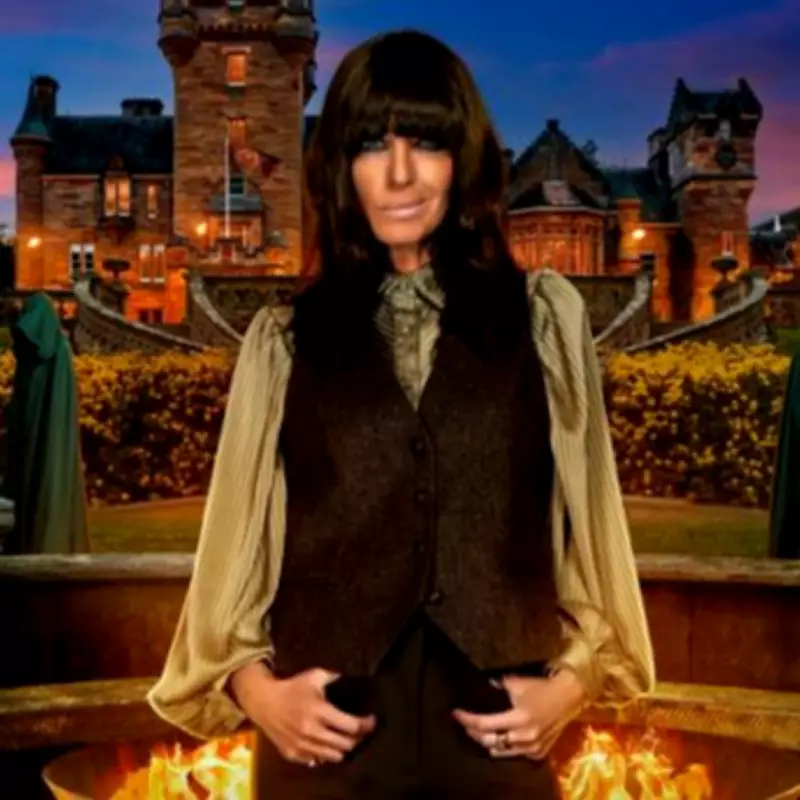
At the heart of the show's success is Claudia Winkleman, whose sharp wit and iconic black fringe bring an unparalleled intensity to the screen. As she navigates the hauntingly beautiful Scottish castle setting, Faithful contestants are plunged into a nerve-wracking game of deduction, tasked with unmasking the Traitors who lie and "murder" their way toward the prize money.
The Celebrity Spin-Off's Superior Appeal
The celebrity edition of the show, The Celebrity Traitors, further cements its dominance. Expected to return later this year with a new roster of scheming stars, it has consistently outshone other celebrity-focused programmes by luring out the dark sides of unlikely figures like comedian Alan Carr, who triumphed in the 2025 season. This twist-filled narrative offers a compelling alternative to the sanitised, formulaic fare that dominates the genre.
For enthusiasts of true crime documentaries, The Traitors serves as the perfect reality TV counterpart, delivering the cynicism, suspense, and moral complexity often absent from mainstream offerings. The demand for more such content is palpable, with calls for increased sarcasm and, perhaps, more of Winkleman's magnetic presence—though her recent landing of a solo talk show suggests she remains a central figure in broadcasting.
A Call for a New Reality Era
Ultimately, the success of The Traitors signals a pressing need for evolution in reality television. It is time to bid farewell to light-hearted, repetitive formats and embrace more sinister, innovative spectacles that can reinvigorate our screens. As one advocate passionately argues, we must welcome this darker era to breathe new life into a genre grown complacent, ensuring that television continues to challenge and captivate audiences in equal measure.