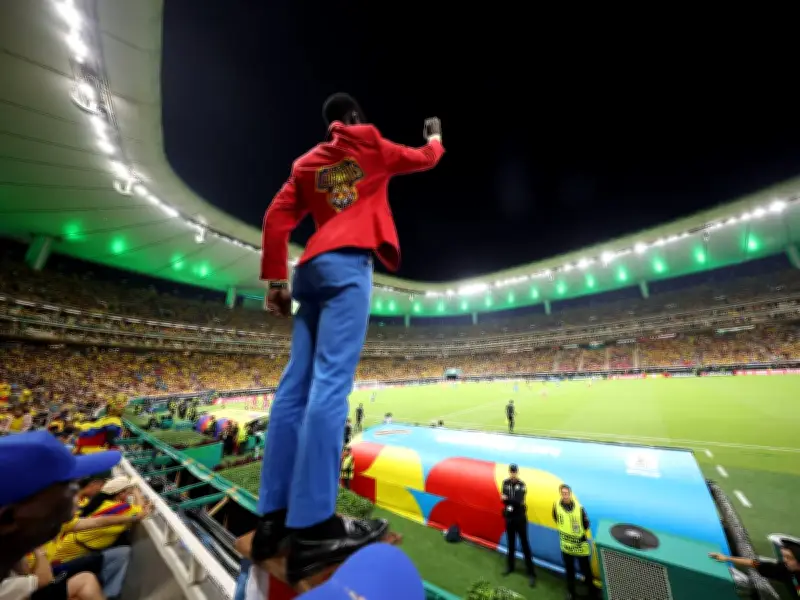
Michel Kuka Mboladinga, known globally as 'Lumumba Vea' and revered as DR Congo's 'Living Statue' super fan, has had his United States visa application rejected for the second time, officially preventing him from attending the World Cup knockout clash against England in Atlanta next week.
Visa Denial Confirmed
Mboladinga confirmed the rejection on social media, stating he would miss DR Congo's pivotal Group K match against Uzbekistan at Mercedes-Benz Stadium in Atlanta. DR Congo's victory over Uzbekistan propelled them into the knockout phase, setting up a showdown with England. However, Mboladinga remains barred from entering the US while the ban is in force.
Congolese ambassador to Washington, Kapinga Yvette Ngandu, expressed disappointment: "This will be Mboladinga's second World Cup absence. I hope he brings his own brand of support to the team." She had previously voiced optimism that he might secure a visa if DR Congo reached the knockout rounds.

Previous Setbacks
Mboladinga was also forced to sit out DR Congo's opening match against Portugal due to travel restrictions linked to the Ebola outbreak. The World Health Organization has documented over 1,203 confirmed cases of the Ebola Bundibugyo virus in DR Congo, with 321 deaths as of late June 2026.
Despite the setbacks, Mboladinga has embraced his growing fame. He commands over 255,000 followers on Instagram and serves as an official ambassador for the Congolese football federation. He posted a photograph of his signature statue pose with the message: "Good luck to our national team. History is being made again. May God bless the DRC."
Global Solidarity
Fans from around the world, including supporters from Brazil and Colombia, expressed solidarity with Mboladinga. DR Congo supporters even mimicked his pose during matches as a gesture of unity. The United States government has not publicly explained the visa denial, citing privacy laws that prevent comment on individual cases.
The ongoing Ebola outbreak in Central Africa has led to increased screening, quarantine measures, and visa delays for travellers from the region, affecting fans, journalists, and officials. A former USAID worker has warned that this outbreak could surpass the 2014 West Africa crisis, which claimed 11,000 lives.