Greenpeace Activists Arrested in Dakota Access Pipeline Protest
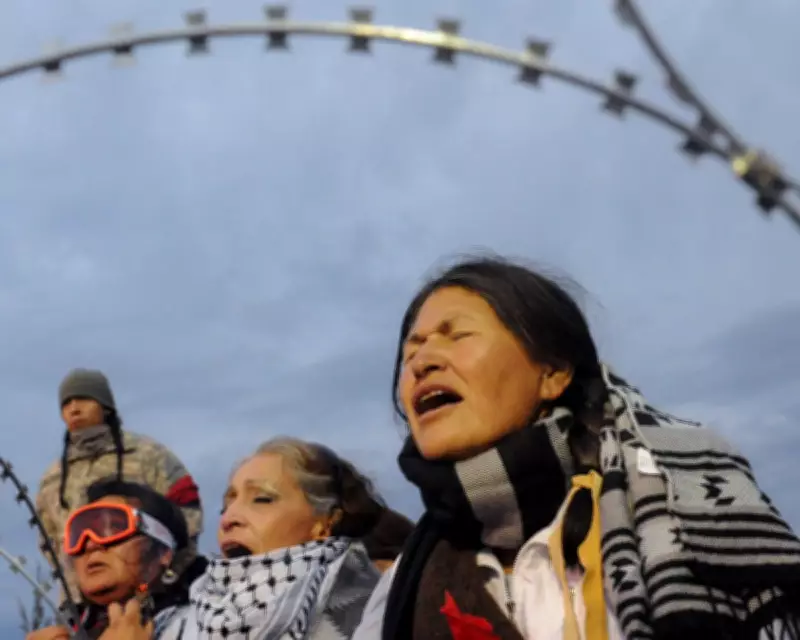
In a recent demonstration, Greenpeace activists were arrested while protesting the Dakota Access Pipeline, reigniting debates over environmental protection and indigenous rights. The protest, which took place near the pipeline's route, saw participants engaging in civil disobedience to draw attention to the pipeline's potential ecological impacts and its effects on local communities.
Details of the Protest and Arrests
The protest involved a group of Greenpeace members who blocked access to key pipeline infrastructure, leading to their detention by law enforcement. Authorities reported that the activists were charged with trespassing and obstruction, with no injuries reported during the incident. The demonstration aimed to highlight concerns about oil spills, water contamination, and the violation of treaty rights for indigenous tribes in the area.
Background on the Dakota Access Pipeline
The Dakota Access Pipeline is a controversial oil pipeline that stretches approximately 1,172 miles across the United States. It has been a focal point for environmental and indigenous activism since its proposal, with critics arguing it poses risks to the Missouri River and sacred tribal lands. Previous protests, such as the Standing Rock demonstrations in 2016, have drawn international attention to these issues.

Greenpeace's Stance and Broader Implications
Greenpeace, a global environmental organization, has long opposed the pipeline, citing climate change concerns and advocating for a transition to renewable energy. The arrest of its activists underscores the ongoing tensions between fossil fuel projects and environmental advocacy. This event may influence future policy discussions on energy infrastructure and indigenous sovereignty in the region.
As the situation develops, stakeholders continue to monitor legal proceedings and potential impacts on pipeline operations. The protest serves as a reminder of the persistent conflicts between industrial development and environmental justice movements.