As Ramadan draws to a close for another year, many Muslims describe the holy month as a profoundly humbling spiritual journey. The rigorous practice of abstaining from all food and drink from sunrise to sunset over twenty-nine or thirty consecutive days is undoubtedly not for the fainthearted. However, for writer Maryam Qaiser, reflecting on past Ramadans also reveals a recurring sense of isolation.
The Personal Challenge of Ramadan in a Non-Muslim Country
Navigating the demands of a standard nine-to-five workday while managing the physical fatigue of fasting and carving out moments for prayer presents a significant logistical and emotional challenge. For Muslims like Qaiser, who grew up in a predominantly non-Muslim nation, the month often involves repeatedly explaining the fundamentals of Ramadan to curious colleagues and friends—clarifying the pre-dawn meal, the strict prohibition on water, and the spiritual purpose behind the fast.
A Shift Towards Greater Enjoyment and Recognition
In recent years, Qaiser notes a positive shift in her experience of Ramadan, which is the holiest period in the Islamic Hijri calendar. Supermarkets across Britain now prominently display banners wishing customers 'Ramadan Mubarak', while shelves are stocked with essentials like dates for breaking the fast, ingredients for traditional dishes, and even greeting cards for the upcoming Eid celebration. This growing public recognition has contributed to a more welcoming atmosphere.

The Transformative Rise of Open Iftar Events
Yet, the most significant and special development, according to Qaiser, has been the remarkable rise of Open Iftars. These community events have surged in popularity nationwide, hosted by a diverse array of organisations including charities, corporations, food banks, local communities, Premier League football clubs, and even the Metropolitan Police.
Open Iftars provide a powerful opportunity for Muslims and non-Muslims alike to break the fast together, fostering connections across all walks of life and cultural backgrounds. Qaiser recounts meeting numerous non-Muslims who have chosen to fast in solidarity before attending these gatherings to share the evening meal, known as Iftar.
A Night of Unity at Notts County FC
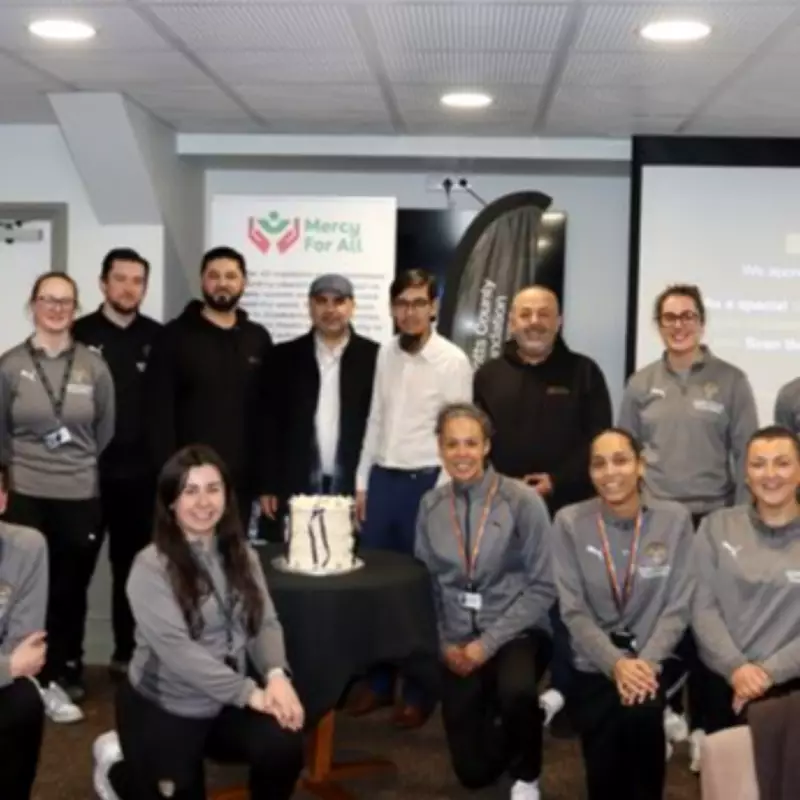
This year, Qaiser attended the third Open Iftar hosted at the stadium of Notts County Football Club. The event was organised by the Notts County Foundation in partnership with the Mercy for All charity. The room was filled with individuals from vastly diverse backgrounds, which naturally sparked meaningful conversation and personal reflection.
Following the call to prayer, attendees broke their fast collectively with dates and water. A dedicated prayer space was provided for Muslim guests before everyone enjoyed a delicious communal buffet. For Qaiser, such Open Iftars actively cultivate a genuine sense of belonging and demonstrate the profound power of togetherness through direct community engagement.
Breaking Barriers and Building Bridges
Vicky Spargo, Deputy Sport and Inclusion Manager at the Notts County Foundation, emphasised the deeper purpose of the event. "Our Open Iftar was about more than just breaking fast—it was about breaking down barriers," she stated. "Seeing so many members of our community come together at Meadow Lane, sharing stories, faith and food, was powerful. We’re proud to work alongside Mercy for All to create opportunities that champion inclusion, celebrate diversity and ensure everyone feels they belong within our Foundation."
The evening also served as a fundraiser for Mercy for All, a charity that provides vital education and support to orphans, women, and families in need both locally and internationally. The event was attended by Notts County striker Alassana Jatta and Zarmeena Quarishi, an ambassador for the charity.
Quarishi highlighted the critical importance of such initiatives in contemporary Britain. "This evening has been great, it allows people to embrace and learn about our culture and faith as well as bringing people together," she said. "With everything that is going on right now, we need more initiatives like this that bring people together in Britain, community unity is really needed right now."

As Ramadan concludes, the expanding tradition of Open Iftars stands as a testament to how shared rituals can transform a potentially isolating spiritual practice into a powerful force for community cohesion, mutual understanding, and inclusive celebration across the United Kingdom.