Public Opinion Deeply Divided Over Horse Racing Future
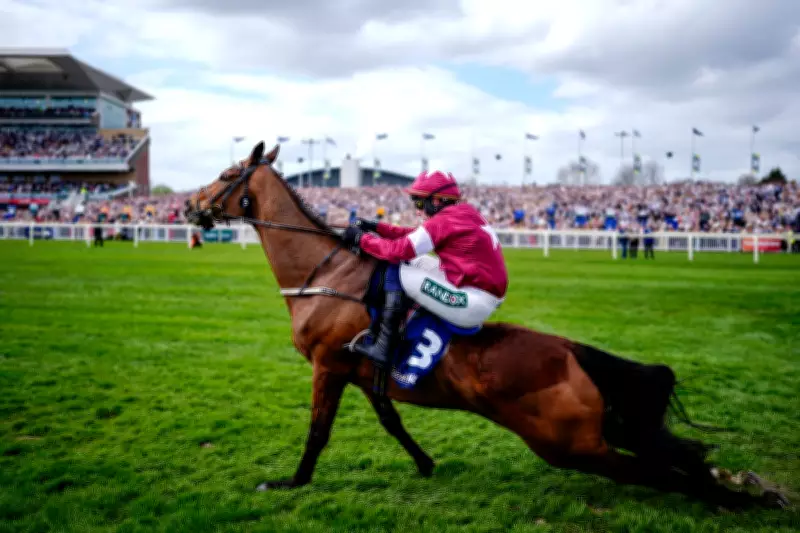
Public sentiment regarding the future of horse racing in the United Kingdom remains sharply split, according to recent polling data. This division has emerged prominently following renewed calls from Green Party leader Zack Polanski for an outright ban on the sport. The controversy has intensified dramatically on the day of the prestigious Grand National race, occurring just twenty-four hours after the tragic death of the horse Gold Dancer at the Aintree Festival sparked widespread public backlash and condemnation.
Polling Data Reveals a Nation Equally Divided
According to a comprehensive survey conducted by YouGov, the British public is almost perfectly divided on the issue. The poll found that thirty-eight percent of respondents support implementing a ban on horse racing, while an identical thirty-eight percent oppose such a measure. A further twenty-four percent of those surveyed remain undecided, indicating significant uncertainty amidst the heated debate. YouGov explicitly noted that this polling context aligns with Polanski's vocal advocacy for prohibition, highlighting the contentious nature of the discussion.
Industry Defence and Conflicting Polling Figures
The British Horse Racing Authority (BHA) has robustly defended the sport, pointing to alternative polling that suggests stronger public support. Strand Polling data indicates that fifty-nine percent of Britons believe racehorses are treated well in the UK, with sixty-four percent convinced that racing takes horse welfare seriously. Furthermore, sixty percent think racing authorities are genuinely committed to improving welfare standards. Additional surveys by Savanta and M&C Saatchi found that sixty percent believe the Grand National should continue, and fifty-six percent view the race as an important part of British sporting culture, with a global audience of six hundred million.

However, a senior figure within the horse racing community has controversially claimed that the sport's previous refusal to intervene in attempts to ban greyhound racing has now left it "exposed to the nutters," reflecting internal concerns about the mounting pressure from animal rights activists.
Polanski's Unwavering Stance and Animal Rights Advocacy
Green Party leader Zack Polanski has unequivocally reiterated his demand for a ban in recent days, stating, "There's something deeply wrong with society when this is considered a sport." He expanded his position by asserting, "We need to ban horse racing - and indeed all forms of animal cruelty." Polanski actively amplified his message by retweeting a post from the animal rights organisation PETA, which highlighted that over sixty horses have died at the Grand National since the year 2000, labelling the event "a national disgrace."
He further intensified his campaign by sharing disturbing footage of Gold Dancer, who broke his back during a race on Friday. The accompanying post alleged that jockey Paul Townend forced and whipped the injured horse over the finish line to secure first place before the animal was euthanised. Polanski suggested that negative press coverage of his stance stems from an establishment "terrified" of his broader political agenda to "end rip-off Britain and take back our power and wealth."
Economic Implications and Broader Calls for Boycott
Amidst these calls for a ban, recent economic assessments underscore the significant role of the UK horse racing industry. It contributes approximately four billion pounds annually to the British economy, functioning as the second largest spectator sport in Great Britain. The industry generates over three point three nine billion pounds in direct and indirect expenditure, supports more than seventeen thousand full-time jobs, and has an overall equine economic impact closer to five billion pounds.
Nevertheless, animal rights organisations have urged a public boycott of the Grand National following Gold Dancer's death after crossing the finish line. This tragic incident has fuelled the ongoing debate, pitting animal welfare concerns against cultural tradition and economic interests, leaving the nation profoundly split on the path forward for this historic sport.