Extend Daffodil Blooms with This 10-Second Spring Deadheading Task
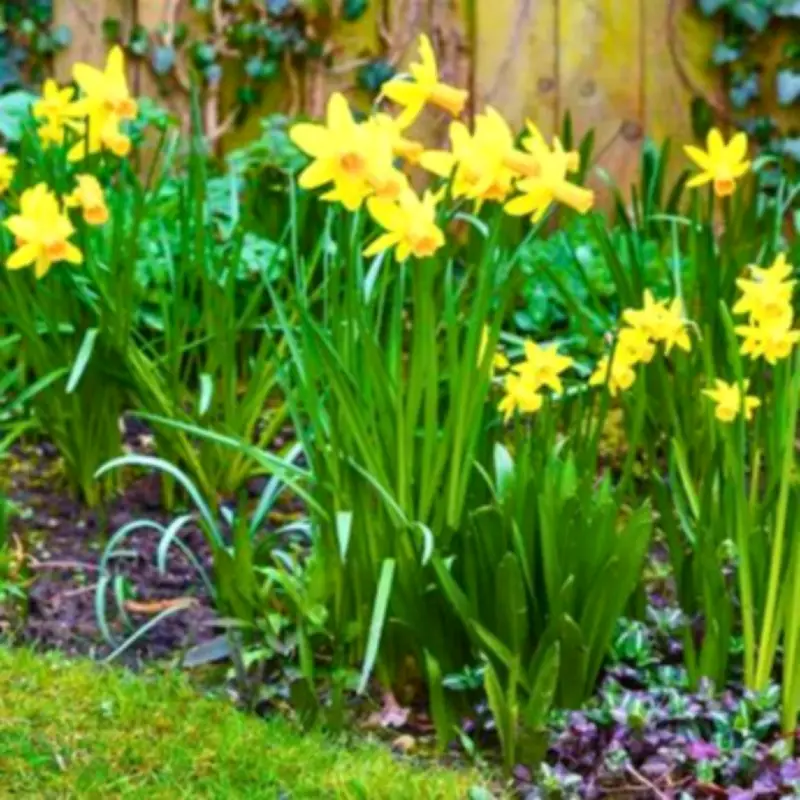
Daffodils illuminate gardens each spring with their vibrant yellow blossoms, offering a cheerful display that signals the arrival of warmer weather. However, these iconic flowers typically flourish for only a few short weeks before beginning to fade, presenting potential challenges for gardeners who wish to maintain a healthy outdoor environment.
Why Deadheading Daffodils Is Crucial for Garden Health
Spent daffodil blooms left to decompose naturally can create significant problems in your garden. As petals decay, they often promote the growth of mould or fungal infections within the soil, particularly during the damp and mild conditions characteristic of spring. These decaying organic materials also serve as powerful attractants for common garden pests including slugs, snails, and aphids, which may then begin feeding on emerging plants and hindering their development.
Steven Bradley, a professional gardener and founder of Busy Gardening, emphasizes that a "quick and easy" deadheading technique can effectively dispose of fading daffodils while guaranteeing more abundant spring blooms in subsequent years. "While nobody deadheads wild daffodils growing across woodlands and verges," Bradley explains, "this practice ensures your daffodils channel maximum energy back into their bulbs for next year's spectacular display."

The Science Behind Deadheading Daffodils
Deadheading requires just seconds per plant and represents one of the simplest methods to protect gardens from both pests and plant diseases during the spring season. When daffodil petals begin to wilt, the plant naturally initiates seed production. These seeds eventually scatter throughout the garden once the flowerhead completely decomposes.
By removing faded flower heads, gardeners effectively halt seed development, redirecting all generated energy back to the bulb. This process helps guarantee that flowers return larger, stronger, and with more enduring blooms the following year, allowing you to appreciate daffodils throughout the entire spring season.
Step-by-Step Guide to Proper Daffodil Deadheading
- Timing is crucial: Wait until daffodils appear shrivelled, typically occurring approximately six weeks after flowering. Deadheading wilting flowers prematurely risks damaging the entire plant and preventing its return next year.
- Proper technique: Gently grasp the daffodil flower just above the point where the green stem connects with the brown head, positioned directly beneath the petals.
- Removal method: Using your thumb and forefinger, carefully bend the daffodil backward until the flowerhead breaks off cleanly without damaging surrounding foliage or stems.
- Disposal: Place all removed flowerheads in your compost heap to maintain garden tidiness throughout spring while recycling organic material.
This straightforward approach not only keeps your garden looking neat during the spring months but also ensures you'll enjoy plenty of vibrant, healthy daffodils when next year's growing season arrives. By investing just moments in this simple maintenance task, you can significantly extend the life and beauty of your daffodil displays while protecting your entire garden ecosystem from potential pest invasions and disease spread.