Gardeners across the UK are being urged to complete five essential tasks this July to keep their outdoor spaces flourishing through the summer months. While gardens are at their peak, experts warn against complacency and highlight key jobs that support both plants and wildlife.
Deadheading for Continuous Blooms
Deadheading is a vital aspect of summer garden maintenance to ensure blooms appear full, vibrant and in good condition. According to James Ewens from Green Feathers, gardeners can prompt plants to keep generating fresh flowers and redirect their resources away from seed development.
James stated: "In practice, this is removing faded flowers from bedding plants, roses, cosmos, and dahlias; summer-flowering perennials all benefit from a few minutes each week of deadheading, a little goes a long way." He added that sweet peas should also be picked regularly, while containers and hanging baskets benefit from weekly feeding to keep displays healthy and vibrant. Not only does deadheading keep garden blooms looking fresh and lasting well into late summer, but it also keeps borders, containers and hanging baskets looking tidier.

Feed Birds Responsibly
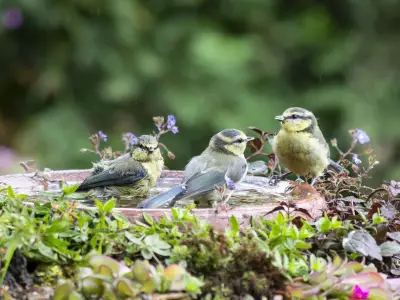
Birds require sustenance more than ever throughout the summer months, and it's crucial to do so in a responsible manner. James said: "While food sources are less scarce for birds in summer, supplementary feeding is always necessary, especially in July when birds are active for longer daylight hours and still feeding their young." He emphasised that this is one of the busiest and most demanding stages of their lifecycle, so responsible feeding is essential. Avoid foods that spoil quickly in heat, regularly clean bird feeders, and use hanging feeders rather than flat ones. Nutrient-rich and easily digestible foods like sunflower hearts, mealworms and quality seed mixes are ideal during warmer months. Avoid bread and kitchen scraps. Cleanliness is equally vital, so ensure feeders are washed thoroughly weekly, and bird baths are kept well topped up.
Water Plants Wisely
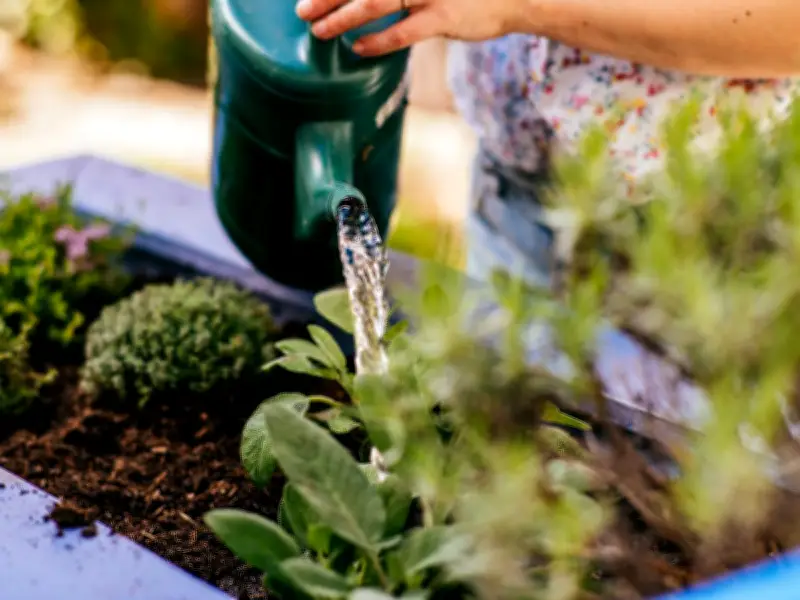
According to the gardening specialist, watering your plants responsibly ranks among the most essential tasks in the garden. He said: "Focus on time of day first and foremost; midday sun is not a good time to water. Early morning or evening when temperatures are mild are best, and if I had to choose, morning watering wins because it reduces evaporation, ensuring plants absorb moisture properly." Infrequent but thorough watering is preferable during the summer period. Water deeply several times weekly instead of small amounts regularly. Hanging baskets and recently planted specimens may need additional watering, so it's crucial to always test by inserting your finger into the soil to check whether it has dried out.
Support Pollinators
James continued: "July is the peak season for our buzzy friends. Bees, butterflies and other pollinators need reliable nectar sources, and the plants you offer are crucial to help them thrive." Long-flowering favourites such as lavender, helenium and cosmos help keep pollinators fed throughout July. Lavender is a firm favourite of mine as not only does it smell and look gorgeous, it's beneficial for our lovely bees, too.
Natural Pest Control
Pests often reach their peak in July, but it's vital not to resort to chemicals to repel them. Warm, humid conditions attract aphids, slugs, wasps, and ants to gardens, which can destroy plants. James suggested attracting natural predators such as ladybirds, frogs and birds into the garden by creating an insect- and wildlife-friendly environment to help control pests.