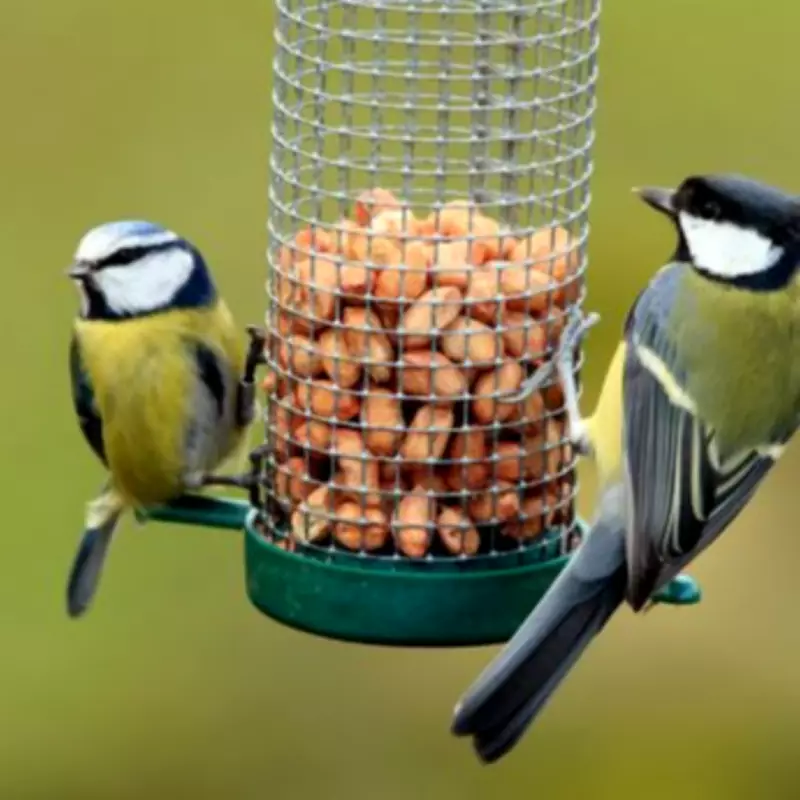
Households across the country that enjoy feeding birds in their gardens have been issued a critical warning to avoid a dangerous mistake that could seriously impact avian health. While many people believe they are performing a kind deed by providing food for wild birds, a popular viral trend on social media is actually posing significant risks to these creatures.
The Viral Trend That Harms Birds
Horticultural expert and television presenter David Domoney has urgently cautioned gardeners to be extremely careful about attempting a method that has gained widespread popularity online. Numerous videos circulating on platforms like TikTok and Instagram encourage people to create their own homemade fat balls to feed garden birds. However, Domoney stresses that many of these videos promote techniques that could cause real harm.
"Warning, be careful," Domoney emphasized. "There are some things on social media that can actually harm the birds in your garden. Not everything you see on social media is safe advice."

Dangerous Ingredients to Avoid
Domoney specifically highlighted several ingredients commonly recommended in these viral videos that should never be used in bird food preparations. These include butter, leftover fat from fryers (which is often dirty and salty), and coconut oil. While feeding birds fat balls purchased from garden centres is considered a "great" practice that provides essential energy, homemade versions with these ingredients create multiple problems.
"Not only does it upset the bird's stomach," Domoney explained, "but when they are preening, it also affects the oils in their feathers as well. All of these can upset their stomachs and even interfere with the natural oils in their feathers when preening, affecting insulation and their flight."
Proper Fat Ball Preparation
For those who still wish to make fat balls at home, Domoney provides clear guidance: only use pure lard. The RSPB ambassador noted that firmer mixtures are safer because they don't soften quickly when temperatures rise, and they avoid coating feathers in ways that compromise waterproofing and flight capability.
Domoney expressed particular concern about the spread of misinformation, stating it has been "disheartening" to see dangerous methods shared so widely on social media platforms. As birds face increasing environmental pressures, well-intentioned but misguided feeding practices can compound their challenges.
Additional Bird Care Recommendations
Beyond proper feeding practices, Domoney suggests several other ways gardeners can support bird populations:
- Provide fresh, clean water daily in bird baths or shallow containers
- Clean feeders regularly to prevent disease transmission
- Position feeders in safe locations away from predators like cats
- Offer appropriate commercial bird foods or properly prepared alternatives
Public Response and Awareness
Many of Domoney's followers expressed gratitude for the clarification, with several admitting they hadn't realized the potential dangers of their current practices. One respondent commented, "Fantastic advice," while another shared, "I make my own with pure lard and they love them." A third follower revealed, "Thanks, I've always made mine with bacon fat," highlighting how widespread these problematic practices have become.
Domoney responded to these comments by reiterating the RSPB's official recommendations to avoid greasy, runny fats entirely. The organization emphasizes that proper bird feeding requires understanding both what to provide and what to avoid, as even small dietary mistakes can have significant consequences for wildlife health and survival.
As social media continues to influence gardening and wildlife care practices, experts stress the importance of verifying information through reputable sources before implementing new methods. The trend toward homemade bird food preparations illustrates how viral content can sometimes prioritize engagement over animal welfare, making expert guidance more valuable than ever for conscientious gardeners.