Congo Coltan Mine Collapse Claims 200 Lives Amid Rebel Dispute Over Toll
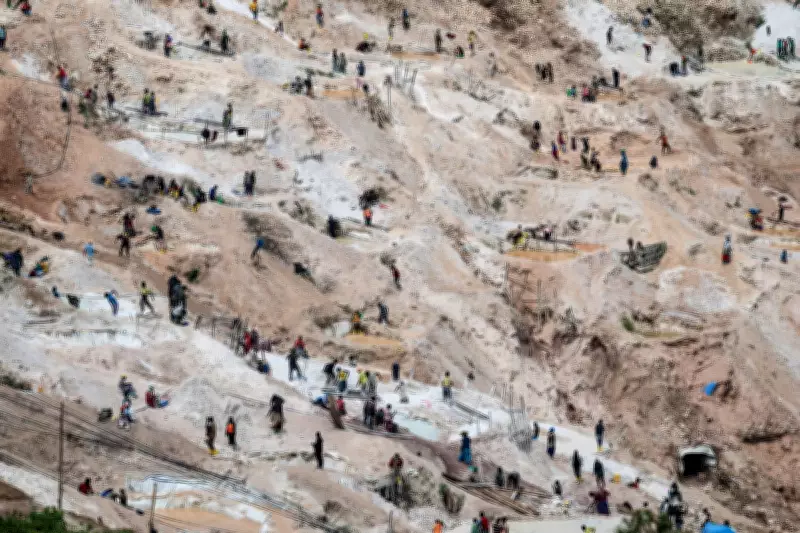
A devastating mine collapse at the Rubaya coltan mining site in eastern Congo has resulted in at least 200 fatalities, according to Congolese authorities. The incident, which occurred on Tuesday, has sparked a sharp dispute over the death toll with the M23 rebel group that controls the mines.
Official Statement and Rebel Contradiction
Congo's Ministry of Mines confirmed the collapse in a statement on Wednesday, describing it as the latest in a series of accidents in the country's mineral-rich, rebel-controlled territories. However, Fanny Kaj, a senior official with the M23 rebels, strongly contested the official account. Kaj asserted that the event was caused by "bombings" and that only five people had perished, dismissing reports of a landslide and higher casualties as false.
Eyewitness Account and Recovery Efforts
Ibrahim Taluseke, a miner present at the site, provided a harrowing firsthand account, stating he assisted in recovering over 200 bodies from the rubble. Taluseke expressed fear and concern, noting that pit owners are reluctant to disclose the exact number of deaths, highlighting the perilous conditions faced by workers in the region.

Strategic Importance of Rubaya's Coltan
Rubaya is situated in eastern Congo, a region abundant in minerals but plagued by decades of violence involving government forces and various armed groups, including the Rwanda-backed M23. The area is a critical source of coltan, a black metallic ore containing tantalum, essential for manufacturing smartphones, computers, and aircraft engines. Congo accounted for approximately 40% of global coltan production in 2023, with Rubaya's mines contributing over 15% of the world's tantalum supply.
Rebel Control and Economic Implications
Since seizing Rubaya in May 2024, M23 rebels have imposed taxes on coltan trade and transport, generating an estimated $800,000 monthly, according to a U.N. report. This control exacerbates the ongoing humanitarian crisis in eastern Congo, where conflicts have displaced more than 7 million people, including over 300,000 since December.
Regional Conflict and Peace Efforts
Eastern Congo has experienced intermittent crises for decades, with recent fighting escalating due to M23's resurgence. In June, a U.S.-brokered peace deal was signed between the Congolese and Rwandan governments, aiming to facilitate negotiations with rebels and open access to critical minerals for the U.S. and American companies. Despite these efforts, hostilities persist on multiple fronts, leading to continued civilian and military casualties.
Historical Context of Mining Disasters
This tragedy follows a similar collapse last month that also claimed over 200 lives, underscoring the dangerous conditions in Congo's mining sector. The recurring accidents highlight the urgent need for improved safety measures and regulatory oversight in the region's extractive industries.