Louisiana Crawfish Industry Faces Severe Worker Shortage Crisis
Spring marks the peak season for Louisiana's lucrative crawfish industry, a vital economic sector valued at approximately $300 million annually. However, this year, the industry is grappling with a profound and disruptive shortage of seasonal foreign workers, threatening production and profitability across the state.
Industry Blames Trump Administration for Guest Worker Failures
Many large-scale crawfish producers are pointing fingers at the administration of President Donald Trump, accusing it of failing to authorize sufficient guest workers in a timely manner. These guest workers, predominantly from Mexico and Central America, are essential for the labor-intensive tasks involved in crawfish processing.
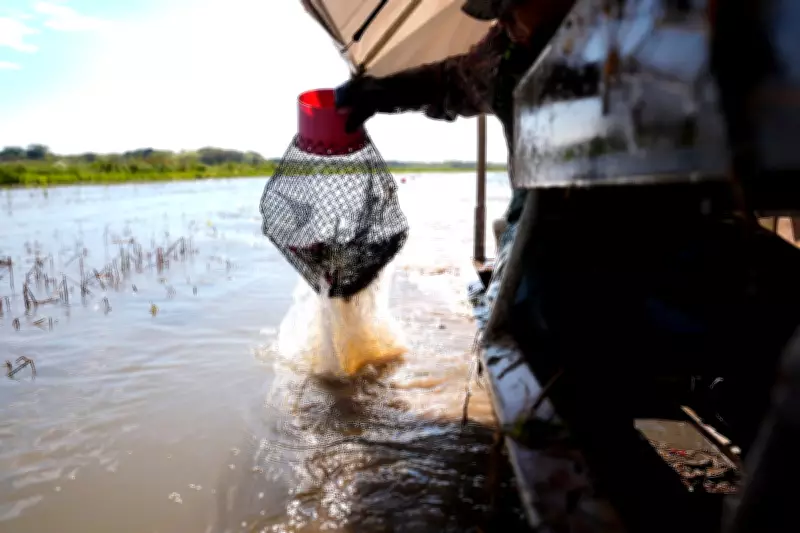
The physically demanding work includes shelling and freezing the freshwater catch, which is often harvested from swampy rice fields. American workers have historically been reluctant to take on these roles, making foreign labor indispensable to the industry's operations.

Photos Reveal the Scale of the Processing Challenge
Recent photographs curated by AP photo editors vividly illustrate the crawfish processing activities in Louisiana, highlighting the industry's reliance on manual labor. The images underscore the critical nature of the workforce shortage, as processors struggle to meet demand during what should be their busiest and most profitable period.
The shortage not only impacts immediate production but also poses long-term risks to the industry's stability and the local economies that depend on it. With the peak season underway, the inability to secure enough workers could lead to significant financial losses and reduced supply in markets.
Industry representatives are calling for urgent policy adjustments to address the guest worker shortfall, emphasizing the need for reliable and adequate labor authorizations to sustain this traditional yet economically significant sector. The situation serves as a stark reminder of the interconnectedness of immigration policies and agricultural industries in the United States.