Edible Garden Weeds: From Nuisance to Nutritious Kitchen Staples
While traditional gardeners diligently eradicate weeds from their vegetable plots each March in preparation for spring sowing, a different approach is gaining traction among those who view these resilient plants not as pests, but as valuable, edible resources. In an unkept garden patch in Cranbrook, Kent, a vibrant mosaic of greens obscures the dark soil, showcasing a bounty often overlooked. This perspective shift transforms common weeds from compost heap fodder into a bonus crop, conveniently bridging the "hungry gap"—the period between winter vegetables finishing and spring harvests beginning. However, proper identification is crucial; if in doubt, leave it alone.
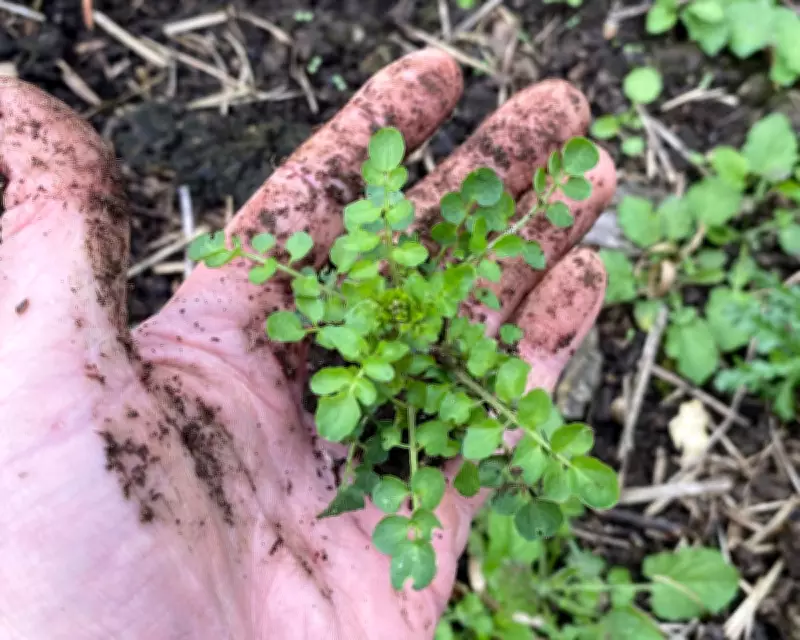
Hairy Bittercress: A Tangy Garden Treasure
Despite its unappealing name, hairy bittercress is an incredibly useful edible plant. With its rapid lifecycle and tendency to thrive in freshly disturbed soil, it is nearly ubiquitous in gardens. When picked young, it offers a refreshing, tangy flavour that makes a delightful addition to salads or an egg mayo sandwich. This humble weed proves that appearances can be deceiving, providing a zesty kick to everyday meals.
Stinging Nettles: A Gourmet Revenge
Stinging nettles, infamous for their painful encounters with bare-legged children, are actually a gourmet plant worth embracing. Adults can wreak sweet revenge by consuming them in large quantities. To harvest safely, "grasping the nettle" can reduce stings, but for a pain-free experience, using gloves and scissors to gather the growing tips and young leaves is recommended. Once boiled or steamed, nettles are often compared to spinach, but they far exceed it in flavour, texture, and nutritional value, making them a superior choice for health-conscious cooks.

Chickweed and Fat Hen: Easy Sells for Foragers
Chickweed, with its gentle name, is an easier sell to novice foragers. Its crisp, pea-shoot-like qualities need little promotion once experienced firsthand. Similarly, fat hen is another delicious interloper that deserves a place in the kitchen. Let’s not forget the humble dandelion, which, despite its mild diuretic properties and unfortunate reputation as "pissenlit," is celebrated as a salad leaf throughout Europe. These plants challenge the notion that weeds are disposable, highlighting their culinary potential.
Embracing the Forager’s Mindset
Today, as gardeners clear ground and sow radish seeds into shallow furrows, they can savour the novel tingle of unveiled sun on their bare necks. The impatience of impassioned growers is tempered by the solace found in a brimming basket of prime "weeds" beside them. This approach not only reduces waste but also promotes sustainability and a deeper connection to the natural world. By rethinking common names and perceptions, we can unlock a hidden pantry in our own backyards, turning despised plants into delectable delights.